The Barrier to Shared Machine Wisdom
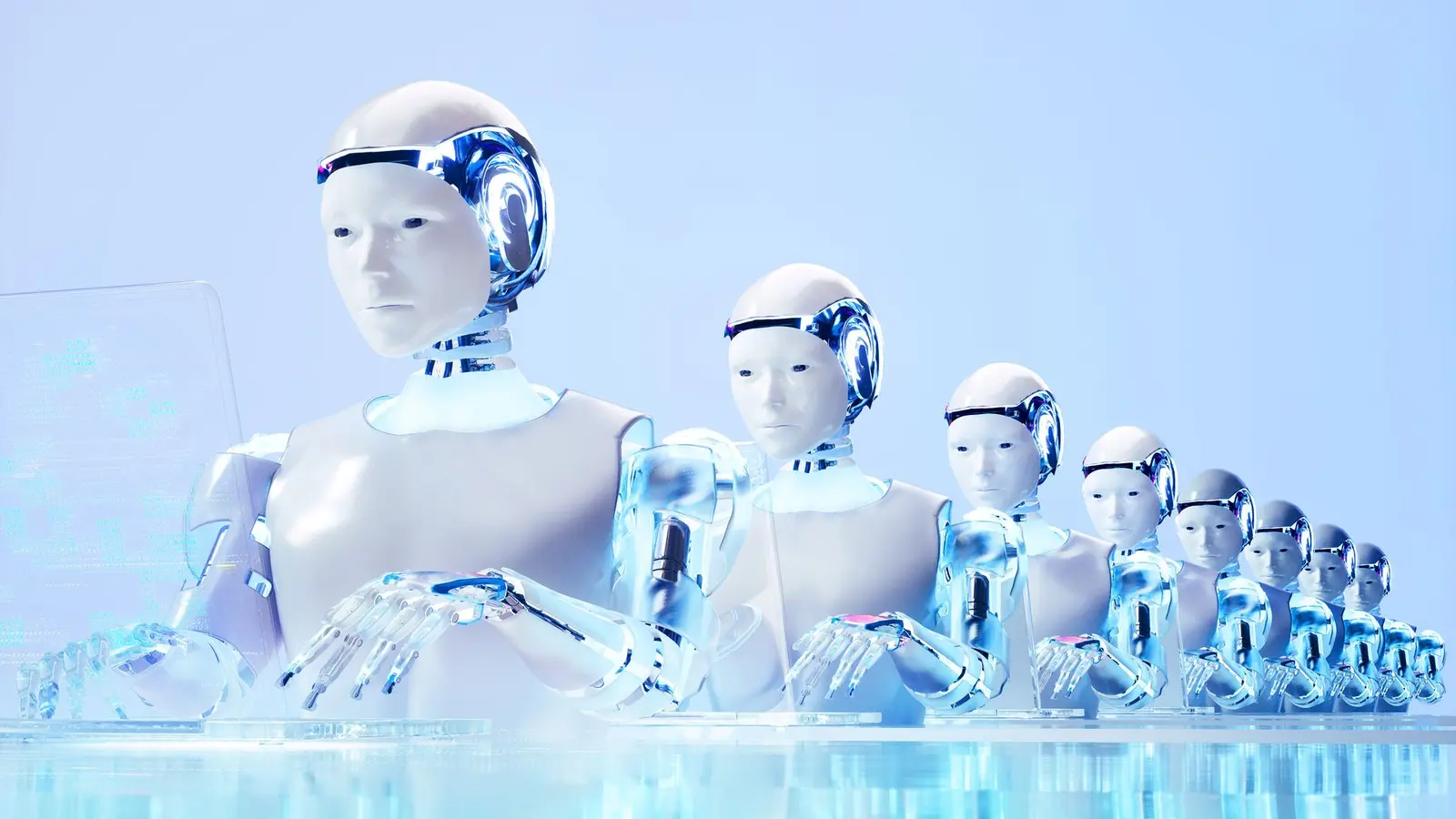
Autonomous machines are rapidly integrating into daily life across the globe. From delivery drones in urban centers to industrial bots in mines, robots are increasingly bridging the gap between artificial intelligence and the physical world. This emerging field, known as Physical AI, seeks to merge digital However, a significant technical hurdle remains. While these machines generate massive amounts of data, they struggle to share what they learn. Current connectivity limitations prevent a single robot's experience from instantly benefiting an entire fleet.
Latest news
 Apple Unleashes Record‑Low Prices on MacBook Pro and Audio Gear
 Ugreen NASync DXP8800 Ultra and Plus Models Compared for Home and Office Use
 NordVPN Expands SMS Scam Protection to iPhone, Launches Free Robocall Blocker
 AI Infrastructure Showdown: Which Platform Wins the Race?
Modern robots operate in diverse environments, including San Francisco streets and remote agricultural sites. Each machine acts as a sensor, collecting vast datasets during its operations. In a perfect system, one robot encountering a new obstacle would teach every other unit immediately.
Currently, the data produced by these machines is too massive for seamless real-time transfer. Without better communication protocols, learning remains isolated. This creates a fragmented intelligence where machines must relearn the same lessons individually.
Can Machines Achieve a Hive Mind?
The transition to true Physical AI requires more than just smarter individual processors. It demands a robust network capable of handling heavy data loads. Engineers are looking for ways to synchronize learning across different platforms and industries.
If successful, this connectivity would allow for collective intelligence. A robot learning to navigate a specific factory floor could update the entire global fleet instantly. This would drastically reduce the time required for training and deployment.
The future of robotics depends on solving this communication bottleneck. As machines move from controlled labs to unpredictable environments, their ability to talk to one another will define their efficiency. Bridging this gap is the next great frontier in automation.
Frequently Asked Questions
What is Physical AI? It is the integration of artificial intelligence with physical machinery. This allows robots to perceive and interact with the real world.
Why can't robots share data easily? The sheer volume of data generated is overwhelming for current networks. Connectivity limits prevent instant, large-scale information sharing.
How would better connectivity help? It would enable collective learning across entire fleets. One robot's experience could immediately improve the performance of all others.
Comments
Leave a comment