Engineering the Deep-Sea Data Superhighways
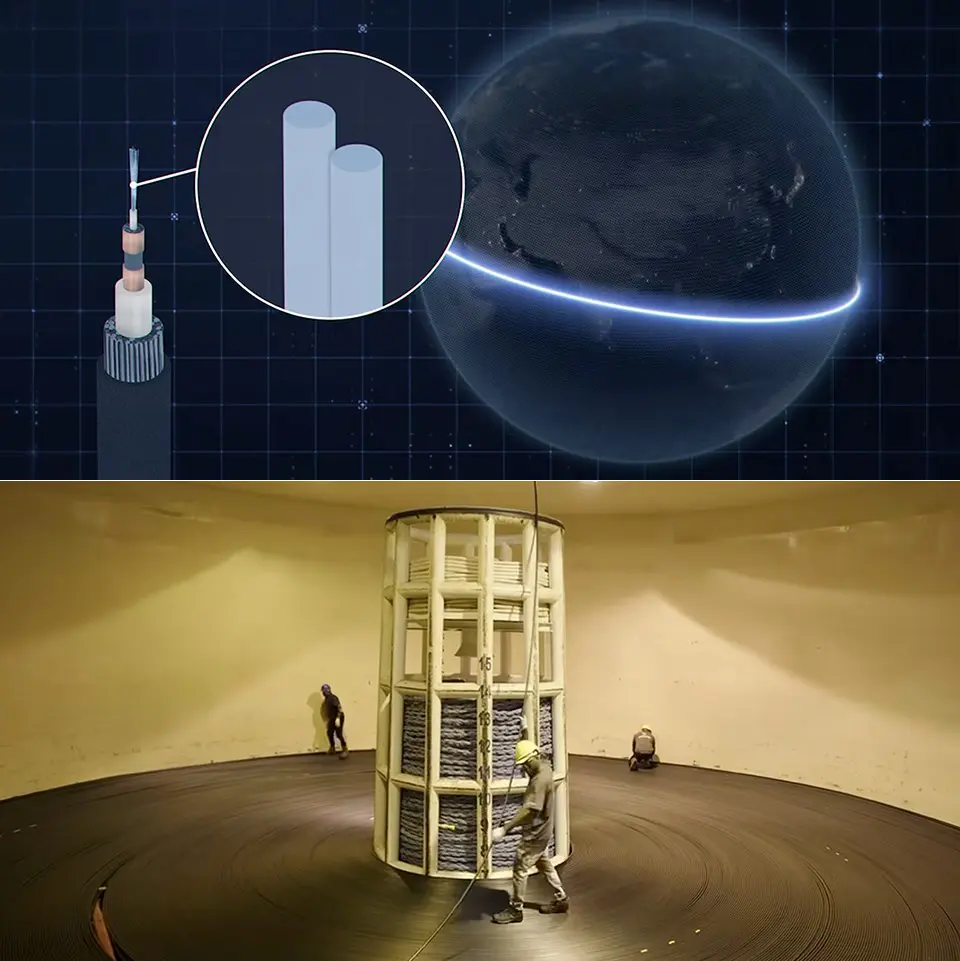
Deep beneath the ocean surface, a vast network of fiber-optic cables carries nearly all international digital traffic. Based in Newington, New Hampshire, SubCom serves as a primary architect of this invisible backbone. The company designs, manufactures, and installs the sophisticated hardware that keeps the global internet functional for billions of users.
Latest news
 Apple Unleashes Record‑Low Prices on MacBook Pro and Audio Gear
 Ugreen NASync DXP8800 Ultra and Plus Models Compared for Home and Office Use
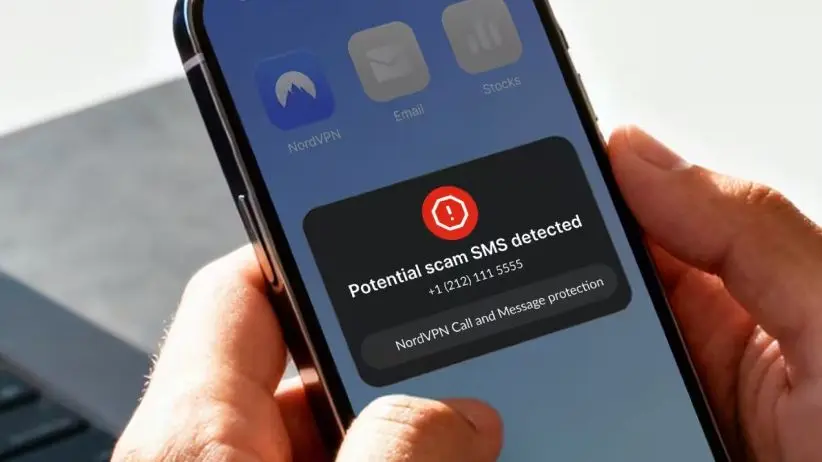 NordVPN Expands SMS Scam Protection to iPhone, Launches Free Robocall Blocker
 AI Infrastructure Showdown: Which Platform Wins the Race?
These cables serve as the physical foundation for modern communication. Every email, video conference, and cloud-based file transfer relies on these underwater conduits. SubCom manages the entire lifecycle of these projects, from initial engineering and factory production to the complex deployment of cables across thousands of miles of seabed.
The manufacturing process requires immense precision to ensure signal integrity over vast distances. Cables must withstand extreme pressure, corrosive saltwater, and accidental damage from fishing gear or anchors. SubCom utilizes specialized vessels equipped with advanced technology to lay these lines along the ocean floor with pinpoint accuracy.
How Do These Cables Survive the Ocean Floor?
Engineers must account for diverse underwater topography, including deep trenches and rugged mountain ranges. Each installation project involves years of planning and international coordination. These cables operate for decades, serving as the essential infrastructure for the global digital economy and modern geopolitical communication.
The equipment is encased in multiple layers of protective shielding. This armor prevents damage from environmental hazards while maintaining the delicate glass fibers inside. Advanced repeaters are integrated at regular intervals to boost signals, ensuring that data packets maintain high speeds across continents.
Frequently Asked Questions
The reliance on this infrastructure continues to grow as global data consumption surges. As cloud computing and artificial intelligence demand more bandwidth, the role of companies like SubCom becomes increasingly vital. Future expansion will likely focus on increasing capacity and creating more resilient routes to prevent widespread outages.
What happens if an underwater cable breaks? Repair ships are deployed to locate the damaged section and pull it to the surface. Technicians splice the fiber-optic lines back together before lowering the cable back to the seabed.
Why is most internet traffic sent through cables instead of satellites? Fiber-optic cables offer significantly higher bandwidth and lower latency than satellite connections. They provide the stable, high-speed foundation required for the massive volume of data exchanged globally every second.
Comments
Leave a comment