
AI‑Enhanced Defenses Are Rising
Security chiefs across the globe surveyed by IANS in April and May reported a cautiously optimistic view of their ability to tackle the new risks posed by artificial intelligence over the next two years. Of the 113 chief information security officers (CISOs) who answered, 41 % felt confident that their organizations could keep pace with evolving AI threats.
Latest news
 Why the Rumored iPhone Duo Excites Android Foldable Fans
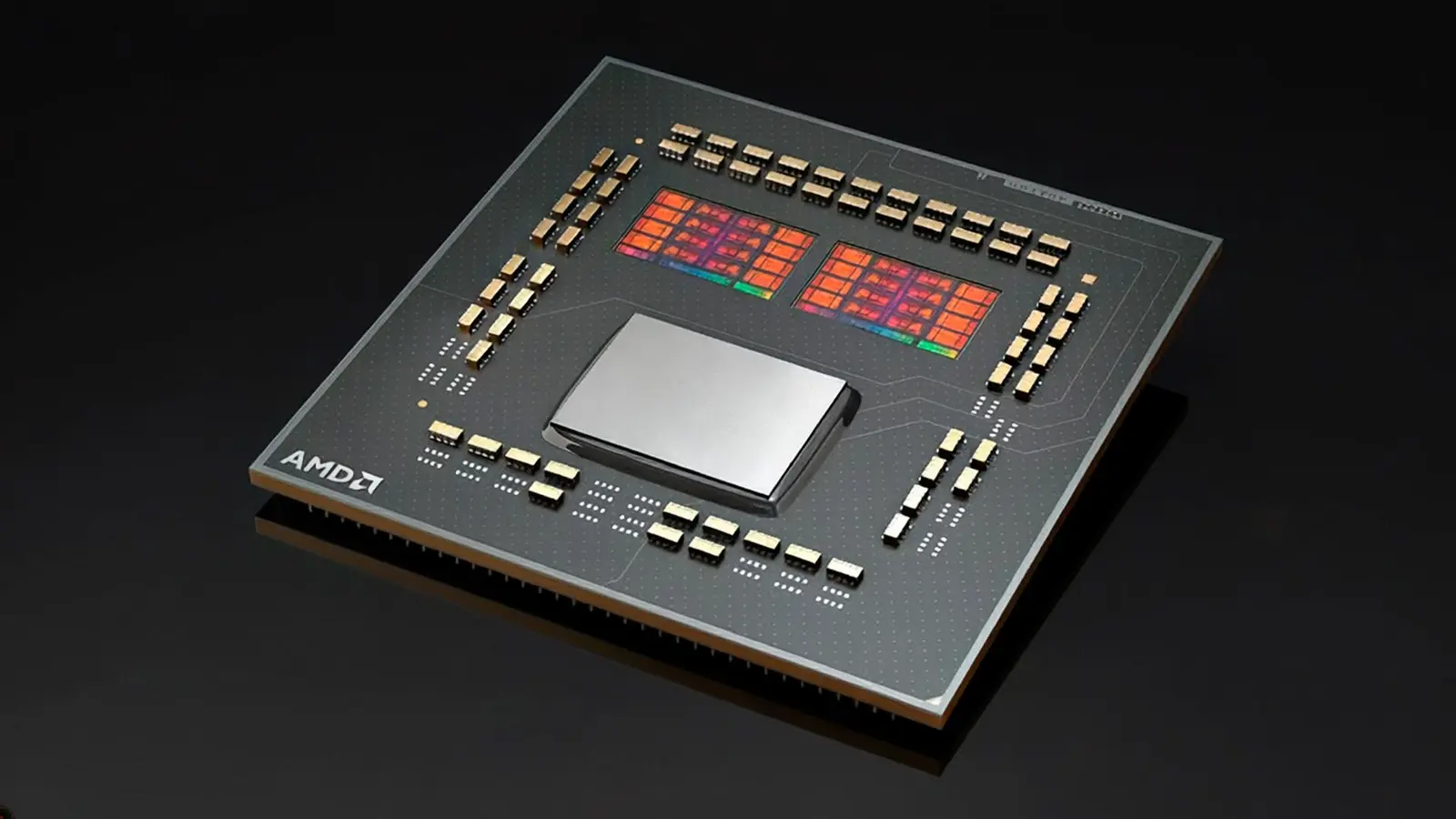 AMD's Canceled Ryzen 9 5900X3D Leaks Online
 California Subpoenas OpenAI Over Autonomous AI Hacking Risks
 Nvidia-Backed UK Supercomputer Faces Multi-Year Power Delay
The survey, conducted early this year, asked leaders to assess their preparedness for a range of AI‑related dangers, from automated phishing attacks to the misuse of generative models. Respondents highlighted several factors that underpin their confidence: increased investment in AI‑specific security tools, stronger collaboration with legal and compliance teams, and a growing body of industry best practices. Many also cited the rapid development of AI‑driven defensive solutions that can detect and neutralise sophisticated attacks in real time.
A key takeaway is the growing adoption of AI‑powered security platforms. CISOs reported that more than half of their organizations now employ machine‑learning algorithms to monitor network traffic, identify anomalies, and predict potential breaches. These systems can sift through vast data sets far quicker than human analysts, flagging suspicious patterns that would otherwise go unnoticed. The ability to automate threat detection has become a cornerstone of modern cyber‑defense strategies, according to the survey.
Will Confidence Translate Into Real‑World Success?
In addition, companies are allocating larger budgets for AI research and development. Several respondents noted that their IT budgets have increased by 15 % to 20 % to fund new AI initiatives. This financial commitment is paired with a shift in skill sets, as security teams recruit data scientists and AI specialists to bridge the gap between traditional cybersecurity and emerging technologies. The result is a more agile and technically proficient workforce capable of responding to AI‑driven attacks.
The survey also revealed a split in perception regarding the effectiveness of these new tools. While 41 % of CISOs are optimistic, 29 % remain uncertain, and 30 % express concern about the rapid pace of AI innovation. Questions linger about the reliability of AI models, especially when adversaries employ adversarial machine learning to trick detection systems. Moreover, the lack of standardized regulatory frameworks for AI security leaves many organizations uncertain about compliance requirements.
CISOs are also wary of the „AI arms race” that could see attackers develop counter‑measures at a faster rate than defenders. The survey highlighted that 38 % of respondents believe that the threat landscape will evolve faster than their current defensive capabilities. This uncertainty underscores the need for continuous monitoring, threat intelligence sharing, and adaptive security architectures that can evolve alongside AI technology.
The implications of these findings are clear: while confidence is growing, the cybersecurity community must remain vigilant. Organizations that invest in AI‑driven defenses, cultivate cross‑functional expertise, and engage in proactive threat intelligence will be better positioned to mitigate the risks. Those that lag may find themselves vulnerable to increasingly sophisticated AI‑based attacks.
Frequently Asked Questions
What proportion of CISOs feel confident about AI security? About 41 % of the surveyed CISOs reported optimism that their organizations can manage AI‑related security risks over the next two years.
How are companies adapting their security budgets for AI? Many organizations have increased their IT spending by 15 % to 20 % to fund AI research, tools, and specialist talent.
What remains a major concern for security leaders? The rapid evolution of AI, potential adversarial attacks on detection systems, and the lack of clear regulatory guidelines continue to worry many CISOs.
Comments
Leave a comment