
Enhancing EUV Source Performance
Researchers from the University of Osaka and the National Institute for Fusion Science have collaborated on a project to optimize EUV source efficiency. They used radiation-hydrodynamic simulations to improve the performance of extreme ultraviolet (EUV) lithography sources. This technology is crucial for manufacturing next-generation microchips.
Latest news
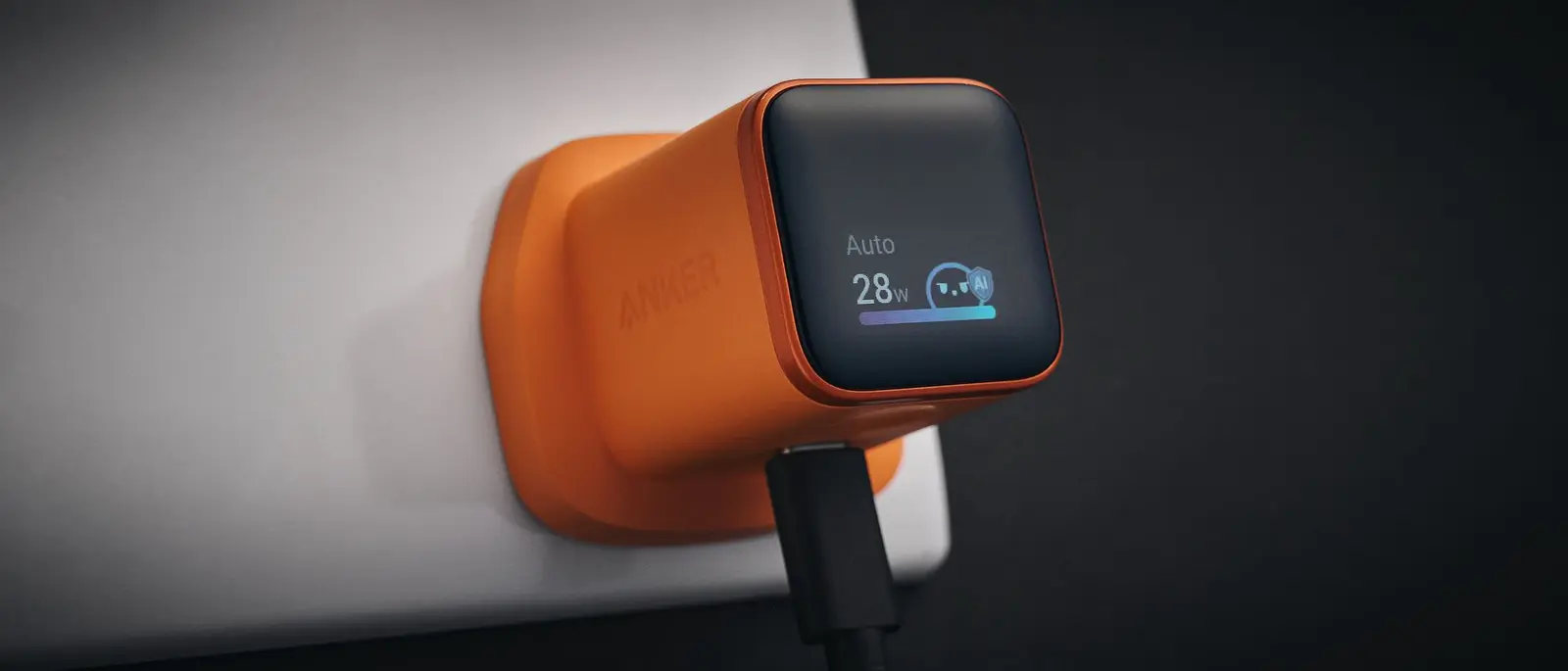 Anker Unveils Playful 45W Charger With Animated Face Display
 Google Docs Web Version Still Missing Native Dark Mode
 Anthropic-Linked Vulnerability Exploited From China, Targets US and Japan
 Text‑Based AI Agents: Your New Digital Assistants
EUV lithography is a key process in the production of advanced semiconductor devices. The efficiency of the EUV source directly affects the overall performance and cost-effectiveness of the lithography process. The researchers aimed to enhance this efficiency using simulations.
The team employed radiation-hydrodynamic simulations to model the behavior of the EUV plasma source. By analyzing the simulation results, they gained insights into the dynamics of the plasma and identified ways to optimize its performance. This approach allowed them to improve the EUV source efficiency without the need for extensive experimental trial and error.
Can Simulations Replace Experimental Testing?
The researchers found that their simulation-based approach could accurately predict the behavior of the EUV source under various conditions. This capability enables the optimization of EUV source design and operation, potentially reducing the reliance on experimental testing. The study demonstrates the power of simulations in advancing EUV lithography technology.
The improved EUV source efficiency achieved through this research has significant implications for the semiconductor industry. As the demand for more powerful and efficient microchips continues to grow, advancements in EUV lithography will play a critical role in meeting this demand.
Frequently Asked Questions
What is EUV lithography used for? EUV lithography is used to manufacture advanced semiconductor devices, such as microchips. It enables the creation of smaller, faster, and more powerful electronics.
How do radiation-hydrodynamic simulations work? These simulations model the behavior of plasmas and other complex systems, allowing researchers to analyze and optimize their performance. They are a powerful tool for advancing various technologies.
What are the benefits of optimizing EUV source efficiency? Optimizing EUV source efficiency can improve the overall performance and cost-effectiveness of EUV lithography, enabling the production of more advanced semiconductor devices. This, in turn, drives innovation in the electronics industry.
Comments
Leave a comment