The Secret to its Success
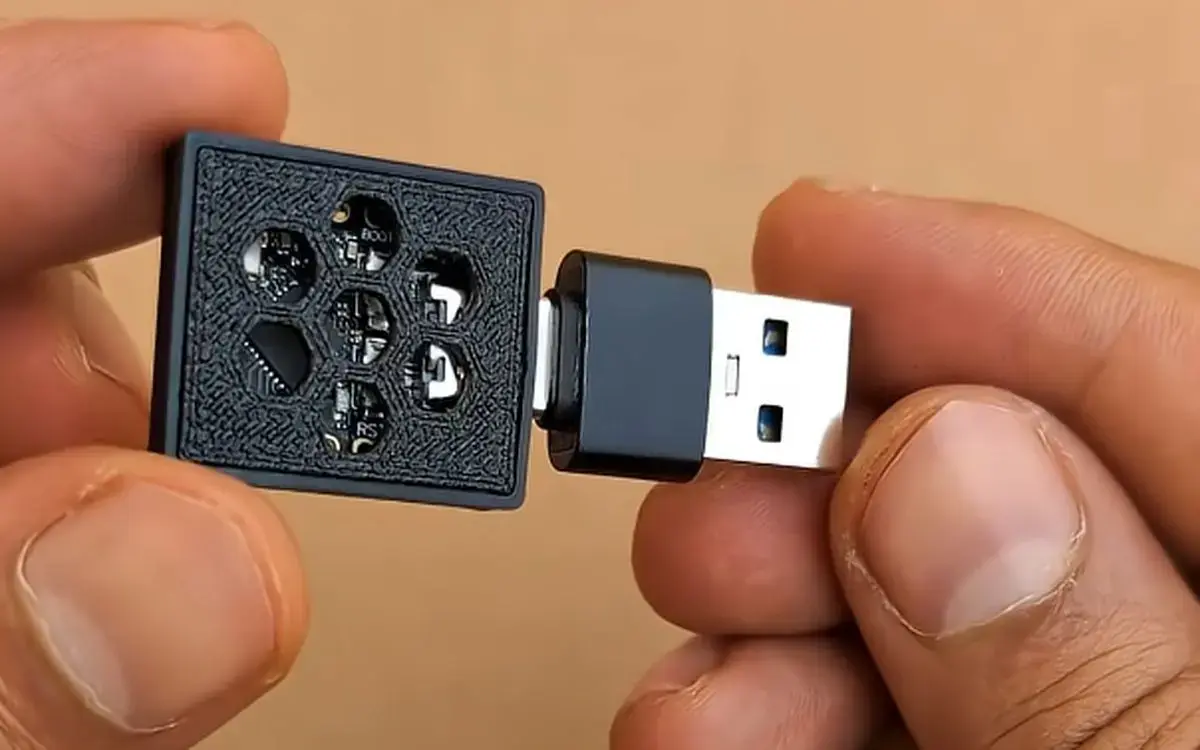
An Egyptian developer, ZedAxis, has created a device that blocks online ads using a $5 dongle. The dongle was demonstrated in a YouTube video. It can store over 537,000 domains in just 4MB of flash memory. This was achieved by compressing domain names.
Latest news
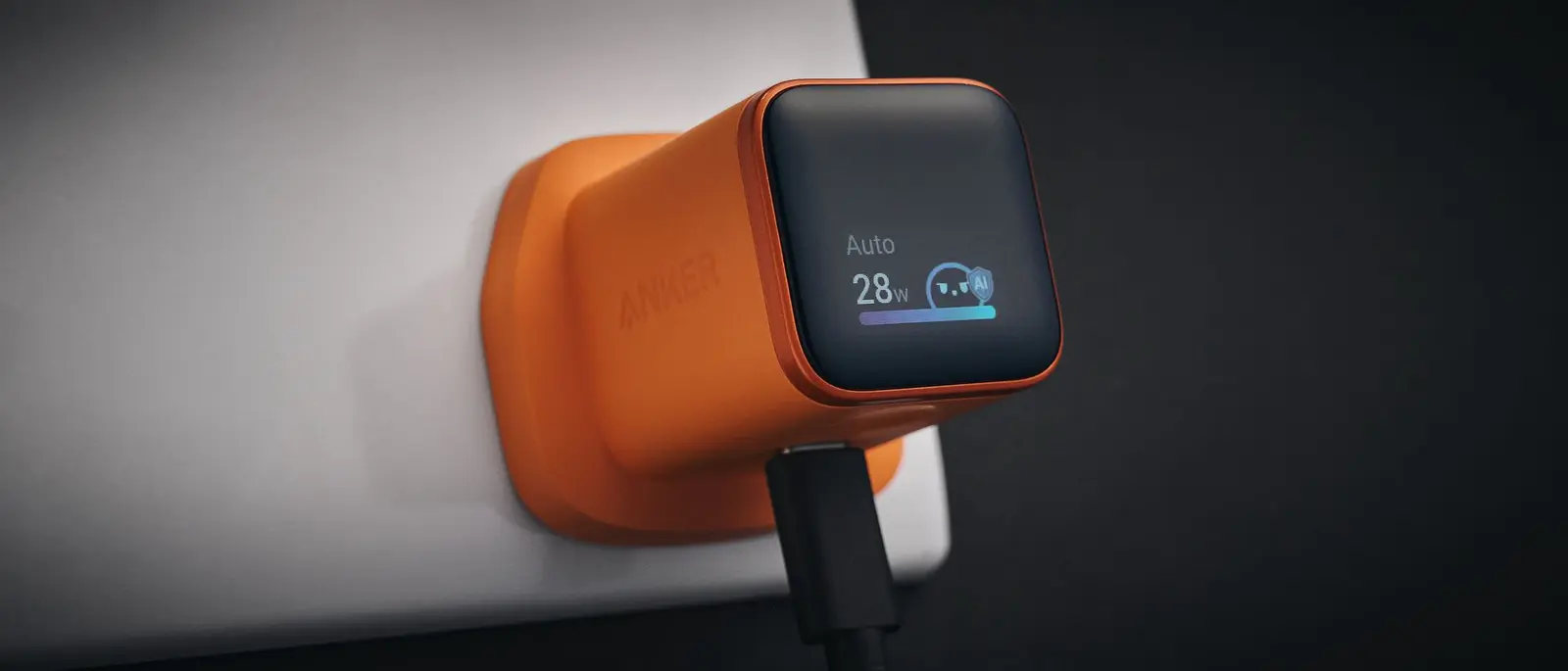 Anker Unveils Playful 45W Charger With Animated Face Display
 Google Docs Web Version Still Missing Native Dark Mode
 Anthropic-Linked Vulnerability Exploited From China, Targets US and Japan
 Text‑Based AI Agents: Your New Digital Assistants
The developer achieved this by using a novel compression technique. The technique involves storing domain names in a highly compact form. This allows the dongle to block a large number of ads. The dongle works by intercepting requests to ad servers and blocking them.
Can it Replace Traditional Ad Blockers?
The dongle's success lies in its ability to compress domain names. By doing so, it can store a large number of domains in a very small amount of memory. This is achieved through a complex algorithm that reduces the size of the domain names. The result is a highly efficient ad-blocking device.
The device has been shown to be effective in blocking ads. It can block ads from a large number of domains. This makes it a useful tool for those who want to avoid online ads. The device is also very affordable, costing just $5.
Frequently Asked Questions
The dongle's ability to block ads raises questions about its potential to replace traditional ad blockers. Traditional ad blockers often require installation on a device and can be complex to set up. In contrast, the dongle is a simple, plug-and-play device.
The dongle's impact on the online advertising industry could be significant. If widely adopted, it could lead to a reduction in online ad revenue. This could have consequences for websites that rely on advertising revenue.
Comments
Leave a comment