
From Swipe Fatigue to AI‑Driven Compatibility
A new wave of dating apps aimed at twenty‑somethings is abandoning the familiar swipe mechanic in favor of artificial‑intelligence matchmaking. Founded by former UC Berkeley students Allen Wang and Eric Liu, Ditto launched this year to give disenchanted Gen Z users a more thoughtful way to meet potential partners.
Latest news
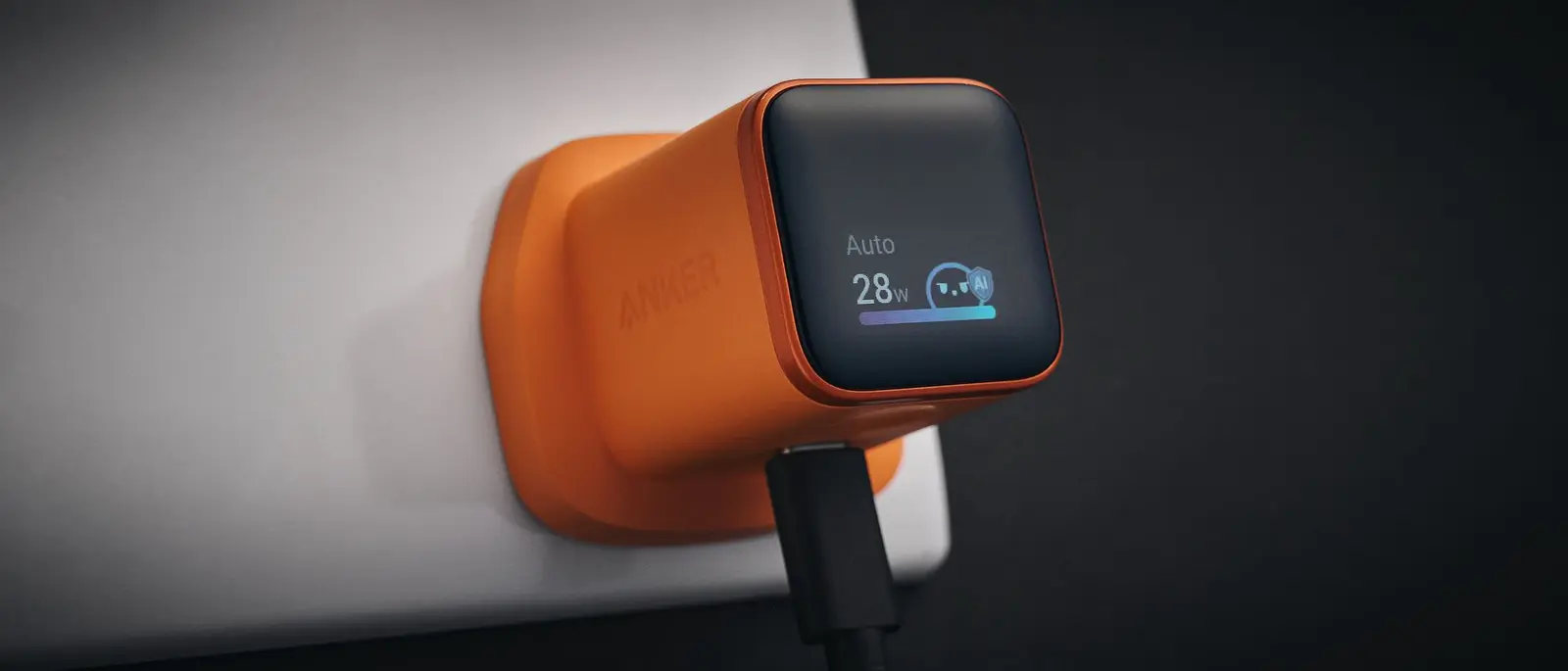 Anker Unveils Playful 45W Charger With Animated Face Display
 Google Docs Web Version Still Missing Native Dark Mode
 Anthropic-Linked Vulnerability Exploited From China, Targets US and Japan
 Text‑Based AI Agents: Your New Digital Assistants
Wang and Liu left university after realizing that traditional apps forced users to sift through endless profiles with little result. Their solution, Ditto, employs machine‑learning algorithms that analyze users’ interests, communication patterns, and values to generate curated match suggestions. The platform promises to cut down the time spent scrolling and increase the likelihood of meaningful connections.
The shift reflects growing frustration among younger adults who feel that swipe‑based services prioritize superficial criteria. Recent surveys show that over half of Gen Z users have abandoned at least one major dating app due to „algorithm fatigue” and „lack of authenticity.” Ditto’s creators argue that AI can surface deeper commonalities that simple photo filters miss.
Will AI Replace the Human Touch in Dating?
„We wanted to build something that respects how busy people are,” Wang explained in a recent interview. „Instead of endless scrolling, our algorithm does the heavy lifting, presenting a handful of high‑quality matches each week.” Liu added that the app also incorporates feedback loops, allowing users to refine their preferences after each interaction. Early testers report spending an average of 15 minutes per week on Ditto, compared with 45 minutes on conventional platforms.
Critics question whether algorithms can truly capture the nuances of attraction. Psychologists warn that over‑reliance on data may overlook spontaneous chemistry. Yet Ditto’s early metrics suggest a promising trend: users who engaged with the AI recommendations reported a 30% higher response rate than those who relied on manual swipes. The company plans to expand its matchmaking features, integrating voice‑tone analysis and real‑time sentiment detection to further personalize suggestions.
Looking ahead, Ditto aims to reshape how millennials and Gen Z approach romance, positioning AI as a partner rather than a replacement for human judgment. If the platform can maintain user trust while delivering authentic connections, it may signal a broader move away from swipe culture toward more nuanced digital matchmaking.
Frequently Asked Questions
How does Ditto’s AI determine compatibility? The system evaluates profile data, interests, and communication style, then cross‑references these factors with successful match patterns from the app’s user base.
Is user privacy protected on Ditto? Ditto encrypts all personal information and limits data sharing to anonymized, aggregated insights used solely for improving matchmaking algorithms.
Can I still browse profiles manually if I prefer? Yes, the app offers a limited manual browsing option, but its primary focus remains on AI‑generated suggestions to streamline the dating experience.
Comments
Leave a comment