How the Athlon XP Revolutionized Performance Perception
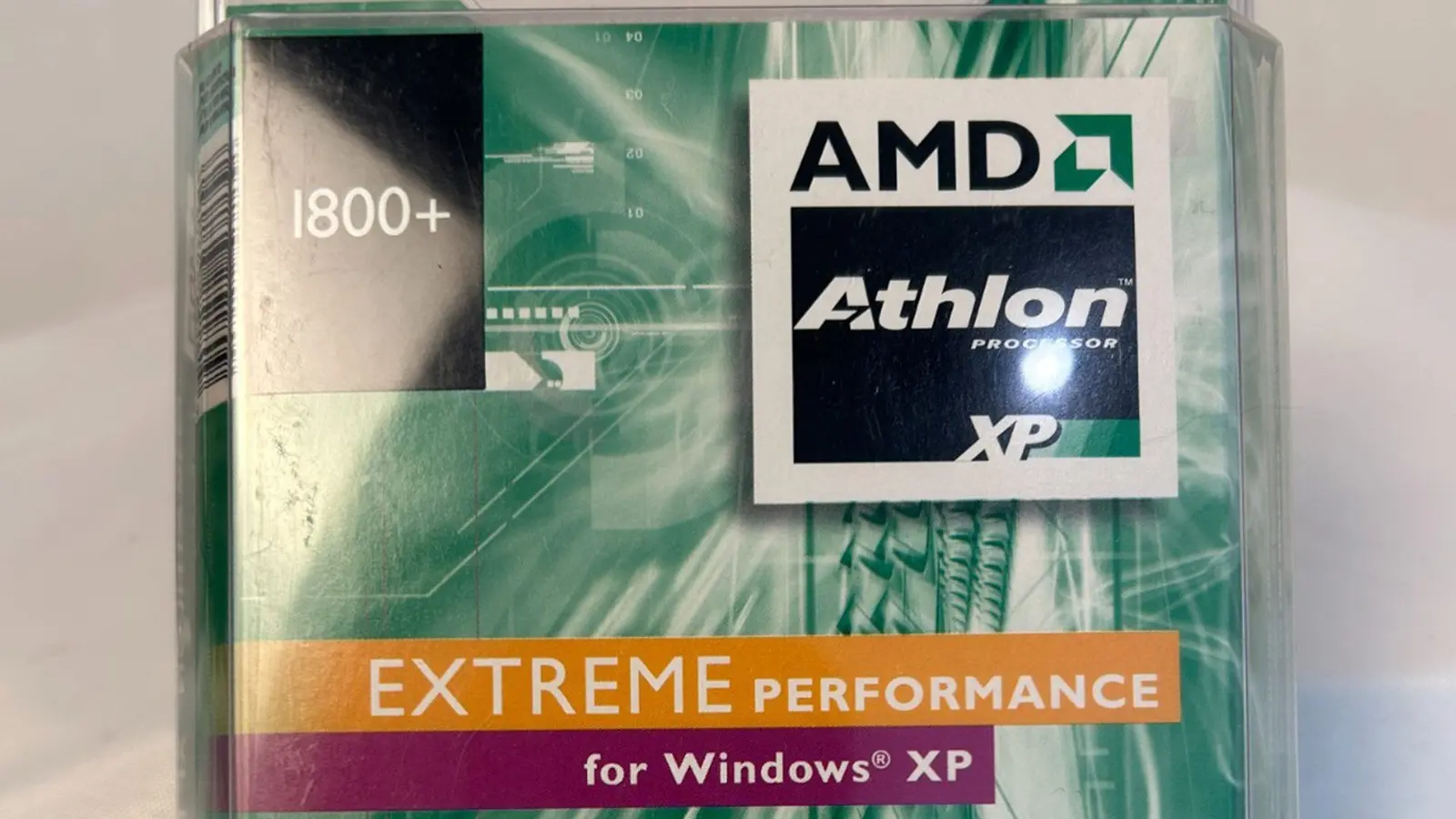
In 2001, AMD launched the Athlon XP processors built on the Palomino core. These chips ran at lower clock speeds than Intel’s competitors yet delivered comparable or superior performance in applications and games. Facing a marketing imbalance, AMD launched a campaign to debunk the „megahertz myth” with a new naming convention: Performance Rating (PR), accompanied by the slogan „Performance matters more than MHz.”
Latest news
 Anthropic Unveils Claude Duet For Background AI Tasks
 Eiliko Creator Hires Independent Security Firm After Flawy Robot Charm Exposed
 Musk Compares Optimus Robot Training to Raising a Toddler
 Atari VCS Software Store Closes in February 2027
Tests conducted in October 2001 demonstrated that AMD could sell its processors effectively using the PR system. A new „Athlon XP 1800+” outperformed a „Pentium 4 2 GHz” in most benchmarks, as noted by Thomas Pabst in his 13‑page article on AMD chips. Pabst also observed that a „Athlon XP 1533 MHz” could match or exceed a Pentium 4 running at a frequency almost 33% higher.
October 2001 Benchmarks Show the PR Advantage
These results underscored AMD’s stance that clock speed was not the sole indicator of performance.
When AMD announced the PR system, some speculated it would become a „Pentium Rating.” AMD intended to establish an independent metric that better reflected real performance than the existing MHz scale, but Intel was unwilling to validate it. Pabst concluded that, despite reservations, AMD had no alternative marketing strategy at the turn of the millennium, when Athlon and Pentium battled for dominance.
The Birth and Fade of the PR System
The PR system was abandoned roughly five years later. Subsequent AMD and Intel architectures rendered the rating meaningless as the market evolved. Intel’s advantage in MHz disappeared with the shift from Pentium 4 NetBurst to Pentium M/Core. The well‑received Athlon 64 further diminished the relevance of PR, which tied AMD’s branding to its rivals.
Impact and Legacy
Ultimately, the marketing war moved to multi‑core, and processor names and marketing ignored clock speed in the 2000s.
For AMD, the PR initiative was a courageous attempt to redefine performance standards. Although it initially attracted attention, the term largely remained a marketing artifact and did not survive technological advances. As multi‑core became the norm, clock speed lost importance relative to other metrics. The PR era, however, remains a classic moment in processor history when AMD challenged the perception of performance.
Comments
Leave a comment