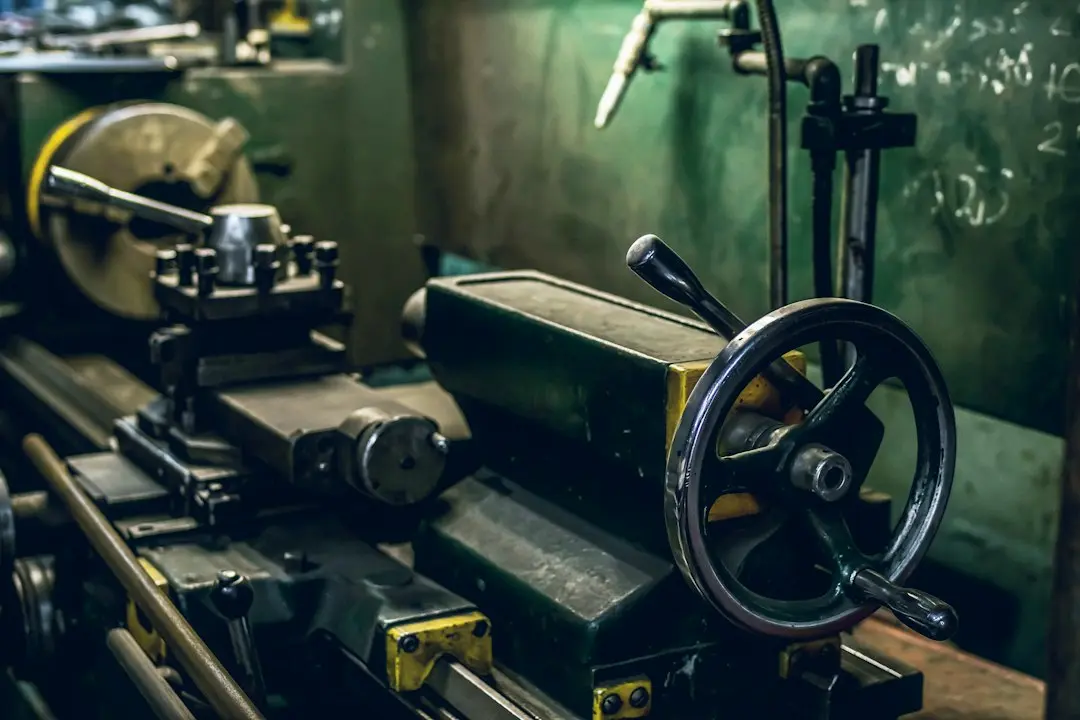
How a Tiny OS Can Deliver Modern Features
A new lightweight OS has emerged that can breathe life into computers that have long been considered obsolete. The system, designed to run on minimal hardware, promises to bring modern functionality to aging machines.
Latest news
 Major AI firms recorded peak lobbying expenses last summer
 Apple Magic Keyboards for iPad Drop to Half Price at Woot
 Microsoft Provides Fix for Broken Exchange Online Apps
 Security Breach at AI Aggregator Exposes 18 Million Files and Private Chats
The release comes at a time when many users still own older PCs that struggle with current software demands. The developers claim the operating system can run on hardware with as little as 512 MB of RAM and a modest processor, making it ideal for devices that cannot support mainstream operating systems. The project was unveiled last week at a technology conference in Berlin, where live demonstrations showed a 200‑year‑old desktop booting up in under a minute and launching a web browser with no lag.
Can This Solve the „Digital Waste” Problem?
The platform is built on a stripped‑down Linux kernel, complemented by a custom desktop environment that prioritizes speed over visual flair. It includes a curated set of applications: a lightweight web browser, a text editor, and a media player, all optimized for low resource usage. Developers emphasize that the OS can also run additional software through a compatibility layer, allowing users to install older versions of productivity tools. According to the team, the entire system fits neatly into a 50‑megabyte disk image, which can be written to a USB drive or a small SSD.
One of the key innovations is the use of a modular architecture. Each component loads only when needed, reducing memory consumption. The developers also integrated a streamlined driver set that supports a wide range of legacy hardware, including older graphics cards and network adapters. In tests, the OS successfully recognized a 1999 Pentium II processor and a 2005 SATA controller, enabling the machine to connect to modern Wi‑Fi networks.
What Are the Limitations?
Digital waste has become a growing concern, with millions of PCs discarded each year. By extending the useful life of these devices, the new OS offers a potential solution. „We’re not just saving money for users; we’re also reducing e‑waste,” said lead developer Amir Hossain. „If a 15‑year‑old laptop can run a modern OS, we can keep it out of landfills for another decade.”
The project has already attracted attention from community groups that refurbish old computers for schools and non‑profits. Early adopters report that the OS runs smoothly on machines that previously required a full Windows 7 installation. Some reviewers noted that the lightweight nature of the system allows for faster boot times and lower power consumption, which could be beneficial for battery‑powered devices.
Frequently Asked Questions
While the OS offers impressive performance, it is not a drop‑in replacement for mainstream operating systems. Users may need to install additional drivers manually, and some modern applications may not be compatible. The team plans to release regular updates that expand driver support and improve security patches. As of now, the OS does not include a built‑in antivirus, so users must rely on third‑party solutions or keep the system offline.
The developers have also highlighted that the OS is best suited for basic tasks such as web browsing, document editing, and media playback. Heavy multitasking or gaming will still be challenging on older hardware. Nonetheless, for many users with limited budgets or environmental concerns, the 50‑megabyte OS presents a compelling alternative.
Comments
Leave a comment