Engineering a Seamless Transformation
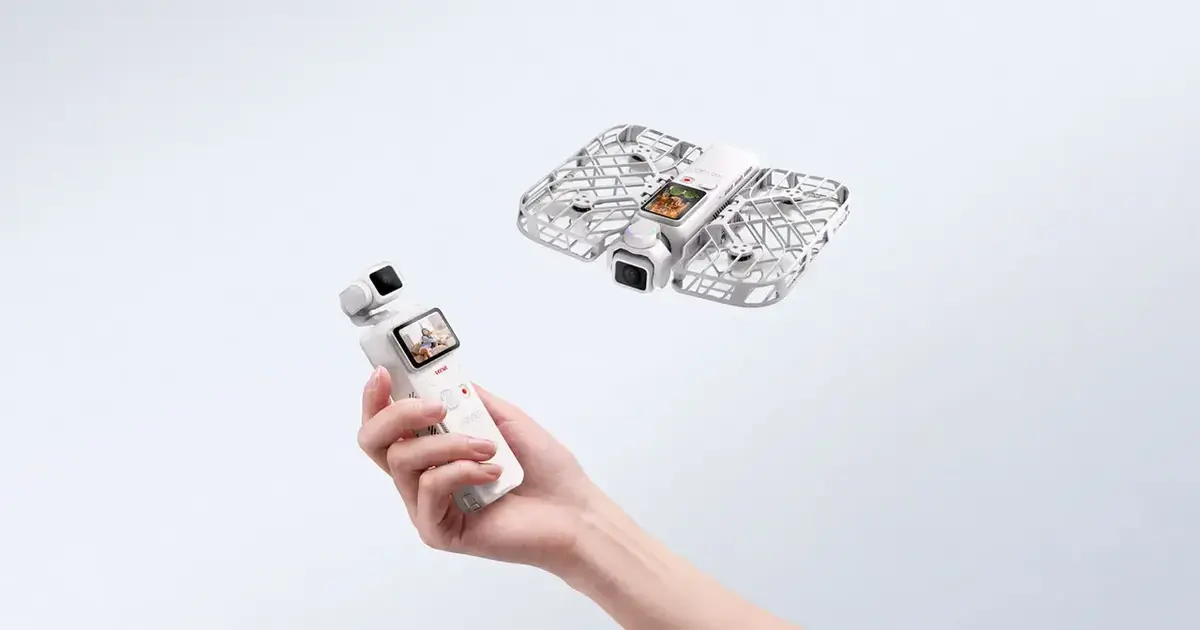
HoverAir has officially launched the Versa, a innovative camera system designed to function as both a handheld gimbal and a self-piloting drone. Unveiled this week, the device uses magnetic components to shift between a stabilized pocket camera and an aerial tracking platform, offering users a dual-purpose tool for capturing high-quality video content on the go.
Latest news
 Anker Unveils Playful 45W Charger With Animated Face Display
 Google Docs Web Version Still Missing Native Dark Mode
 Anthropic-Linked Vulnerability Exploited From China, Targets US and Japan
 Text‑Based AI Agents: Your New Digital Assistants
The device relies on a clever modular design that allows the camera unit to snap securely into a flight frame. Once attached, the system utilizes advanced artificial intelligence to track subjects automatically. Users can initiate flight directly from their palm, making it a convenient option for solo travelers or content creators who need hands-free recording capabilities without the bulk of traditional drone equipment.
The core appeal of the Versa lies in its ability to bridge the gap between two distinct product categories. By integrating gimbal stabilization into a compact form factor, the device ensures smooth handheld footage during standard filming. When the user requires an aerial perspective, the magnetic assembly process is engineered for speed, allowing for near-instant transitions between ground-based and airborne modes.
Is This the Future of Personal Cinematography?
AI-driven tracking is the primary engine behind the drone’s functionality. The system locks onto subjects and maintains a steady frame, eliminating the need for a dedicated pilot. This automation removes the steep learning curve often associated with drone photography, providing a streamlined experience for those focused on capturing lifestyle footage rather than technical flight maneuvers.
The move toward modular hardware signals a shift in how consumers view portable technology. By combining a gimbal and a drone, HoverAir aims to reduce the amount of gear creators must carry. This approach addresses the common frustration of choosing between stable ground shots and dynamic aerial views, effectively providing both in a single, pocket-sized package.
Frequently Asked Questions
As portable technology continues to shrink, the Versa represents a significant step toward all-in-one media solutions. If the magnetic connection remains robust during flight, this hybrid design could set a new standard for compact recording devices. The success of the platform will likely depend on how well the AI handles complex environments and the overall durability of the modular parts under regular use.
How does the device switch between modes? The Versa uses a magnetic locking mechanism to connect the camera module to a flight frame. This allows the user to snap the components together quickly for aerial operation or detach them for handheld gimbal use.
Does the drone require a remote controller to operate? No, the system is designed for autonomous flight. It relies on onboard artificial intelligence to track subjects automatically, allowing users to launch the device from their palm without manual piloting.
Comments
Leave a comment