Public Perception: A Mix of Curiosity and Caution
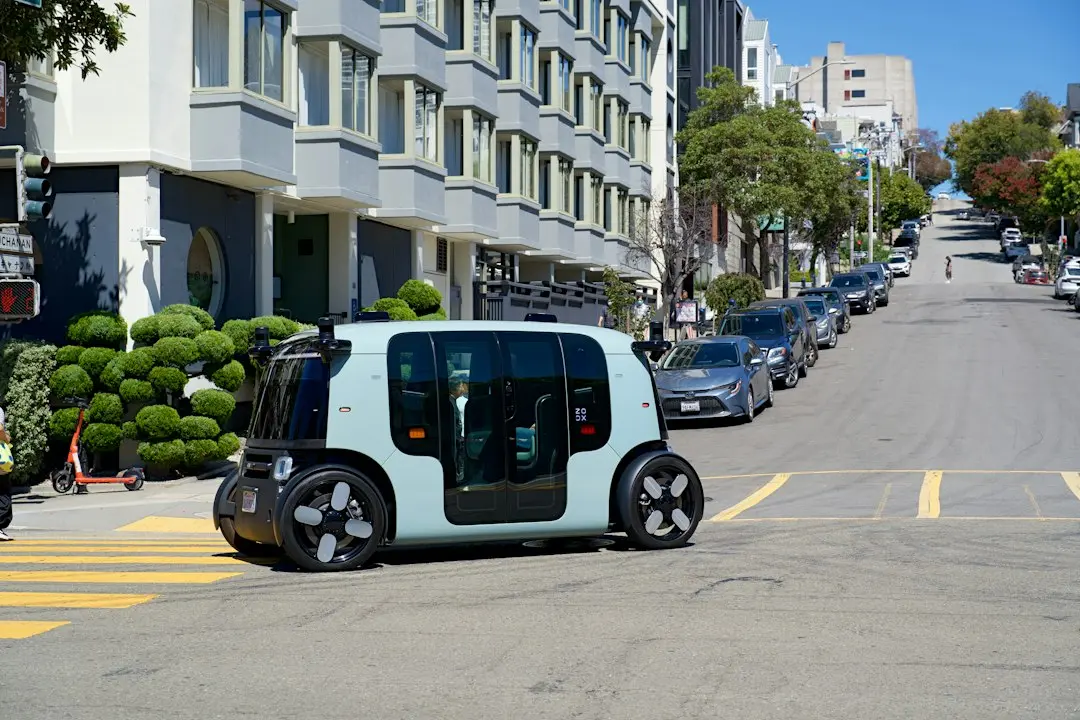
On a typical weekday in San Francisco, dozens of Waymo robotaxis glide through streets, offering a glimpse of a future where driverless cars are commonplace. The city’s tech scene is watching closely as the autonomous fleet grows, and regulators are stepping in to ensure safety and public trust.
Latest news
 Major AI firms recorded peak lobbying expenses last summer
 Apple Magic Keyboards for iPad Drop to Half Price at Woot
 Microsoft Provides Fix for Broken Exchange Online Apps
 Security Breach at AI Aggregator Exposes 18 Million Files and Private Chats
Waymo’s autonomous vehicles, equipped with LIDAR, cameras, and advanced AI, have been operating in the Bay Area for years. Recent reports indicate that the company now runs close to 200 robotaxis in the city, a significant jump from the handful of test vehicles seen a decade ago. The increased presence has sparked both excitement and concern among residents, who wonder how the technology will coexist with human drivers and pedestrians.
San Francisco’s Transportation Department has introduced new rules to govern the deployment of autonomous vehicles. The guidelines require that all robotaxis maintain a human safety driver on board, even during autonomous operation. Additionally, the city mandates real‑time data sharing between fleet operators and traffic management systems to monitor vehicle performance and respond to incidents quickly.
„We want to keep the innovation alive, but public safety must come first,” said a spokesperson for the department. The new regulations also set limits on where robotaxis can operate, restricting them to specific lanes and times to reduce congestion and avoid conflicts with cyclists.
Is the Technology Ready for Full Deployment?
Surveys conducted in the city reveal that while 60% of respondents are intrigued by the convenience of driverless rides, only 35% feel comfortable sharing the road with autonomous vehicles. Many participants expressed worries about the reliability of the technology and the potential for accidents.
Waymo’s CEO addressed these concerns in a recent interview, noting that the company’s safety record in the Bay Area has improved dramatically. „Every incident is analyzed, and our systems learn from them,” he said. „We’re committed to making the roads safer for everyone.”
The question remains: can autonomous vehicles fully replace human drivers in complex urban environments? Experts point out that while AI can handle routine driving tasks, unpredictable scenarios—such as sudden pedestrian crossings or erratic driver behavior—still pose challenges. Until these edge cases are thoroughly addressed, regulators will likely maintain strict oversight.
Frequently Asked Questions
Looking ahead, the city plans to pilot a „robotaxi sharing” program, allowing residents to book autonomous rides through a mobile app. This initiative aims to gauge real‑world usage and gather data to refine safety protocols.
What safety measures are in place for robotaxis in San Francisco? Each autonomous vehicle must have a licensed human safety driver on board, and operators must share real‑time data with city traffic systems for monitoring.
How many robotaxis are currently operating in the city? Waymo reports running approximately 200 robotaxis in San Francisco, a significant increase from earlier test fleets.
Will robotaxis replace human drivers in the near future? Regulators remain cautious; full deployment depends on solving unpredictable driving scenarios and proving consistent safety performance.
Comments
Leave a comment