
The Architecture of Robotic Dexterity
Engineers are discovering that humanoid robots represent a significantly more complex computational and security hurdle than autonomous vehicles. While both rely on edge computing, the humanoid form factor requires intricate coordination between localized sensors and centralized processing. This dual-layered architecture must manage everything from delicate finger movements to full-body navigation in real-time environments.
Latest news
 Anthropic Unveils Claude Duet For Background AI Tasks
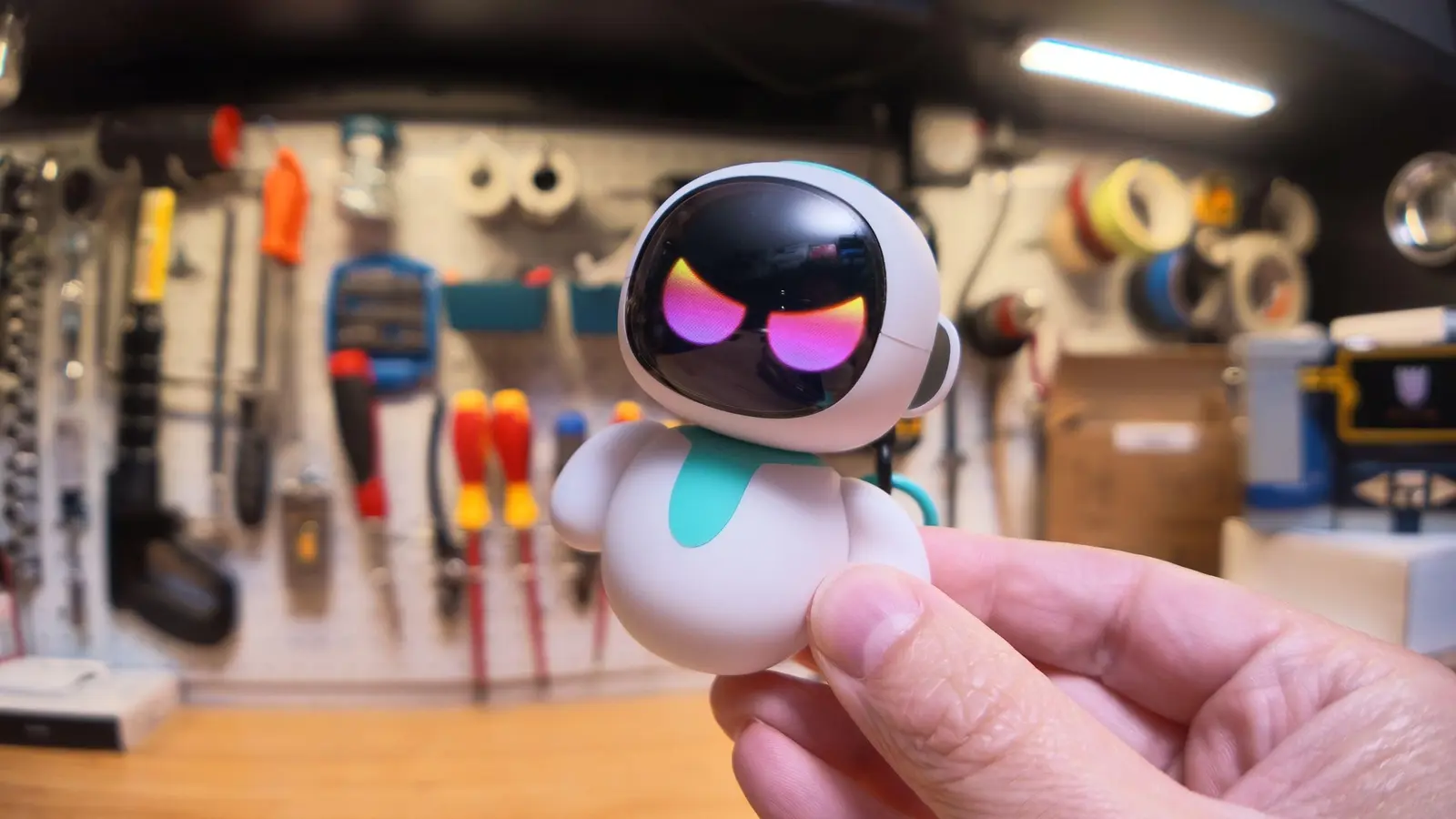 Eiliko Creator Hires Independent Security Firm After Flawy Robot Charm Exposed
 Musk Compares Optimus Robot Training to Raising a Toddler
 Atari VCS Software Store Closes in February 2027
The current hardware approach utilizes a distributed system to handle the massive data intake. AI-enabled microcontrollers and neural processing units are placed directly in the robot’s hands to pre-process tactile feedback. Meanwhile, a centralized system acts as the brain, utilizing powerful GPUs to interpret raw sensor data. An FPGA-based bridge manages the high-speed communication flow, typically connected via Ethernet to ensure low-latency performance.
Designing these systems requires a hybrid approach to accommodate diverse robotic tasks. Unlike a car, which primarily focuses on forward motion and obstacle avoidance, a humanoid must interpret complex physical interactions. The need to process finger-tip data locally prevents the central processor from becoming overwhelmed. This division of labor is essential for maintaining the fluid, human-like motion required in modern industrial or domestic settings.
Can Hardware Keep Pace With Humanoid Demands?
Security protocols must also evolve to match this distributed complexity. Because these robots interact directly with human spaces, the attack surface is significantly larger than that of a vehicle. Protecting the communication bridge between the localized hand sensors and the central GPU is now a primary focus for developers. Any breach could compromise the physical safety of those working alongside the machines.
The industry is currently struggling to standardize these hybrid architectures. As robots take on more autonomous roles, the demand for higher-speed, lower-power processing will only intensify. Manufacturers must balance the need for extreme computational power with the physical constraints of a humanoid frame. Future designs will likely prioritize even tighter integration between sensor bridges and onboard AI accelerators to reduce power consumption.
Frequently Asked Questions
The shift toward these advanced robotic systems will redefine how we manage edge devices in the field. If developers can successfully secure and scale these hybrid compute models, humanoid robots will move from controlled laboratory environments into general-purpose roles. The long-term success of this technology depends on creating systems that are as secure as they are agile.
Why are humanoids harder to build than autonomous vehicles? Humanoids require complex coordination between distributed sensors in their limbs and a central brain, whereas vehicles have a more static sensor layout. Managing fine motor control alongside navigation increases the computational burden significantly.
What role does the FPGA-based sensor bridge play? The bridge acts as a high-speed traffic controller for the robot's sensory data. It ensures that raw inputs from cameras and tactile sensors reach the GPU without causing system-wide latency issues.
Comments
Leave a comment