
Distributed Storage Turns Solar Into a Market‑Ready Asset
A year after the Australian government introduced a deep‑discount subsidy for residential battery systems, wholesale power prices have fallen roughly in half. The scheme, launched in early 2025, targets households equipped with solar panels, encouraging them to store excess generation. Data released this week shows a dramatic drop in market prices across New South Wales and Victoria, reshaping the nation’s energy landscape.
Latest news
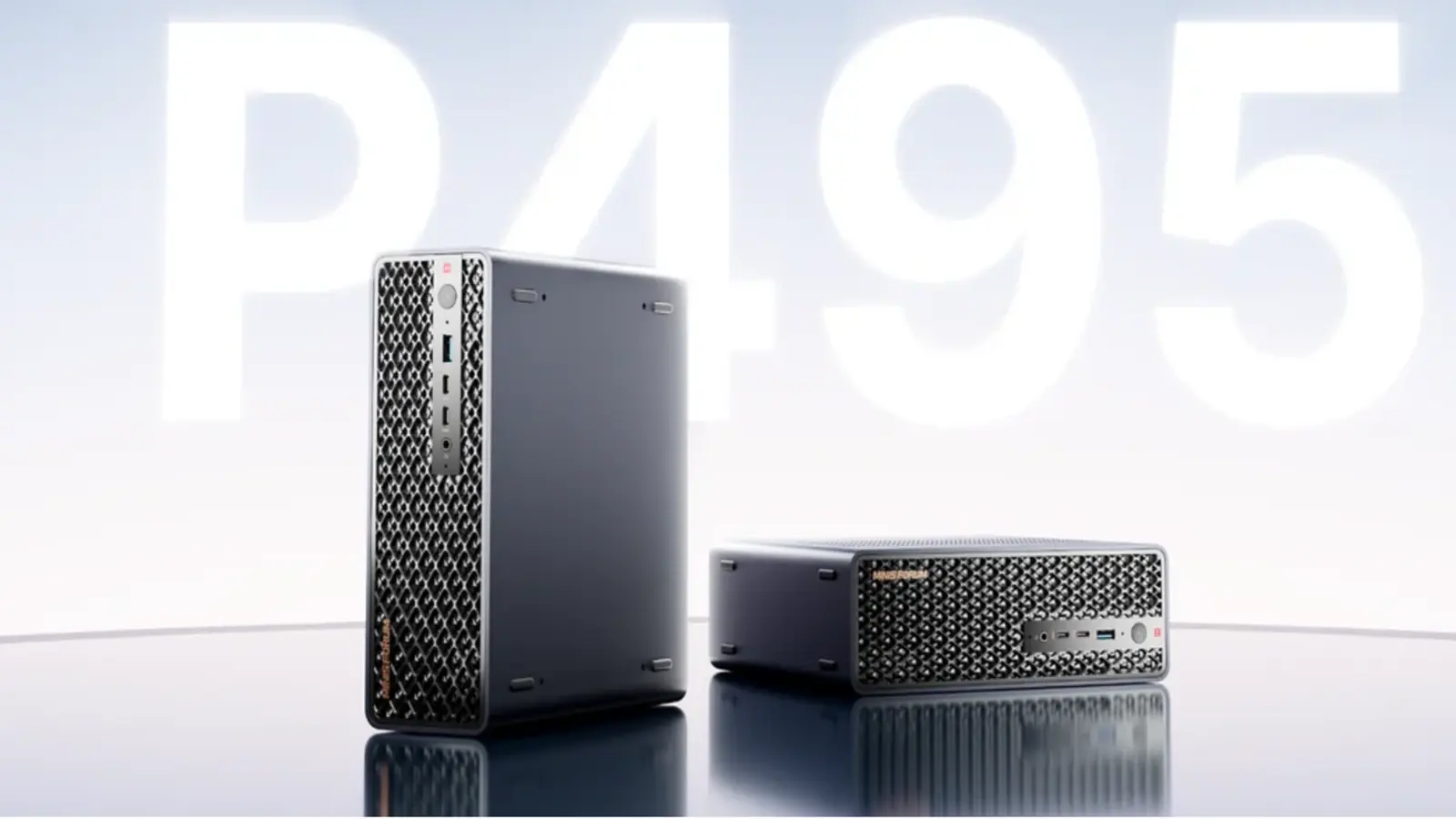 Minisforum Unveils High‑End Ryzen AI Max+ PRO 495 Workstation
 NASA Eyes Revival of SR‑71 Blackbird
 My Home Wi‑Fi Was Crowded by 14 Neighbors—A Free App Helped Me Find a Clear Channel
 YouTube is tightening rules for low-effort Shorts
The program offers up to AU$5,000 per kilowatt‑hour for battery installations, a move designed to capture solar output that would otherwise be curtailed. By providing financial incentives, the government spurred a surge in home‑battery adoption, adding over 1.2 gigawatt‑hours of storage capacity in the first twelve months. Analysts say the new storage assets are now dispatching power during peak demand, easing pressure on the grid and driving down wholesale rates. „We have turned idle rooftop solar into a flexible resource,” said a senior official from the NSW Climate and Energy Action unit. The influx of distributed storage also reduces reliance on expensive peaking plants, further trimming costs.
Households that installed the subsidized batteries are now feeding stored electricity back into the grid during high‑price periods. This „virtual power plant” effect smooths supply, curbing price spikes that previously plagued the market. Early‑stage monitoring shows that on days with strong solar generation, wholesale prices fell by up to 45 percent compared with the same period last year. The Australian Energy Market Operator reported that the average spot price in the National Electricity Market dropped from AU$120 per megawatt‑hour to just AU$65. Researchers attribute the decline to the combined impact of reduced curtailment and the newfound ability to shift solar energy across time.
Can the Price Decline Be Sustained Over the Long Term?
While the initial results are promising, experts caution that the subsidy program must evolve to maintain momentum. Battery costs continue to fall, but the demand for storage may outstrip the current incentive levels. „If we phase out subsidies too quickly, we risk a slowdown in installations,” warned an industry analyst. Moreover, the growing concentration of stored solar could introduce new challenges, such as managing bidirectional flows and ensuring grid stability. Policymakers are already considering complementary measures, including dynamic pricing and grid‑service tariffs, to keep the market balanced.
The wholesale price cut has immediate benefits for consumers, who see lower electricity bills and greater resilience against outages. In the longer view, the shift toward distributed storage supports Australia’s broader decarbonisation goals, reducing reliance on fossil‑fuel generators. If the program remains financially viable and integrates with evolving grid technologies, the nation could see sustained cost reductions and a more sustainable energy mix.
Frequently Asked Questions
Why did wholesale electricity prices drop so sharply? The surge in home batteries allowed excess solar power to be stored and released during peak demand, lowering the need for expensive peaking generators and smoothing price volatility.
Will the subsidy program continue indefinitely? The government plans to review the scheme annually, adjusting incentive levels as battery prices fall and market conditions change, to avoid over‑reliance on subsidies.
How does this affect Australia’s climate targets? By increasing renewable utilization and cutting fossil‑fuel generation, the program helps Australia move toward its emissions‑reduction goals while delivering cheaper electricity to consumers.
Comments
Leave a comment