
Can Hydrogen Fuel Cells Provide a Solution?
The increasing demand for data centers is expected to consume almost 12% of the total electricity in the United States by 2030. This surge is largely driven by the rapid growth of artificial intelligence technologies, which are straining the existing power grid. Experts warn that without intervention, this rising consumption could threaten grid reliability and increase costs for consumers.
Latest news
 Corsair Vengeance DDR5-6000 Kit Offers Ideal Speed for AMD Builds
 Hide.me VPN releases major Android update
 Hackers launch massive PHP2Shell attack wave
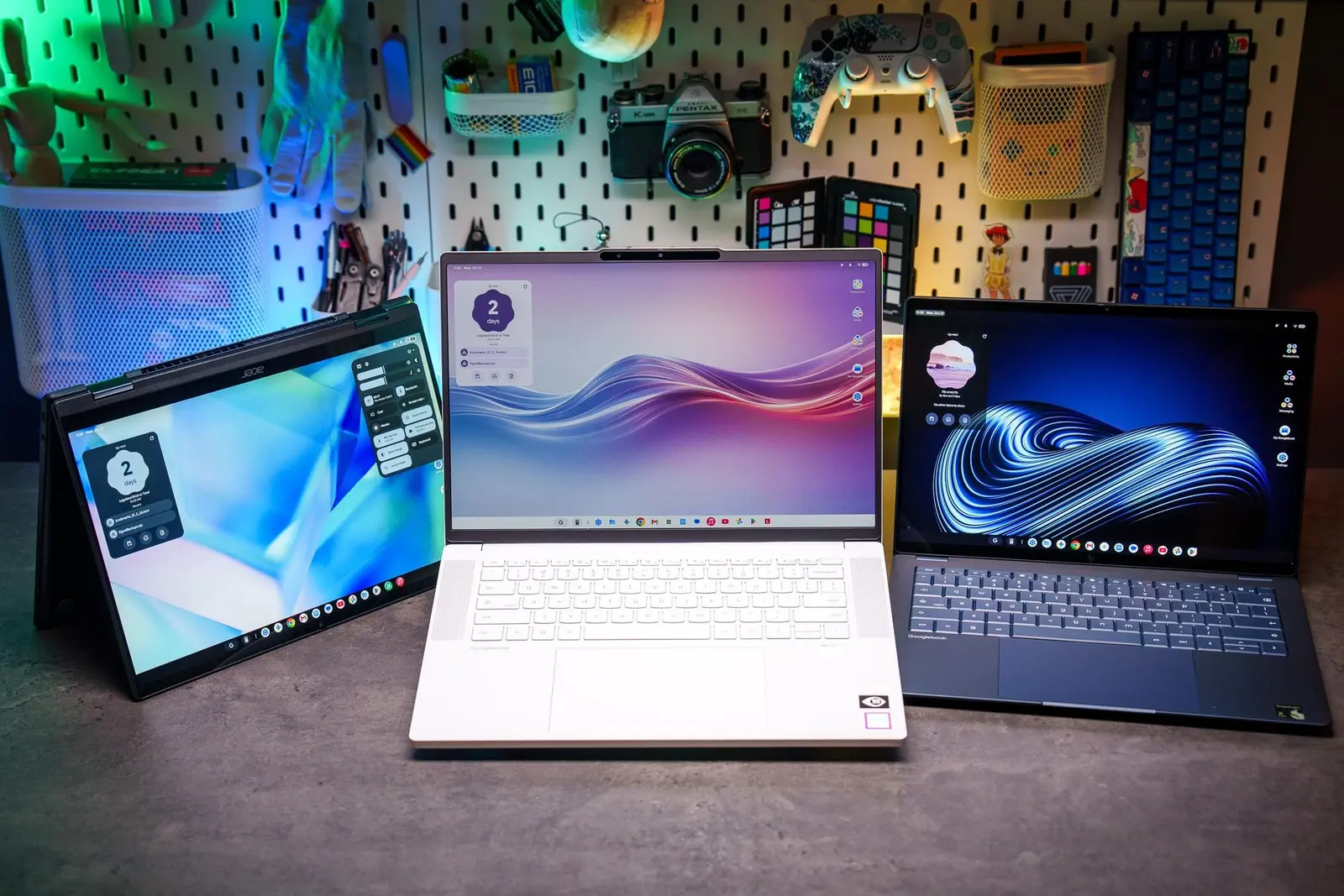 Googlebooks are not yet ready for prime time
As data centers expand, their energy requirements are outpacing the growth of energy supply. This imbalance poses a significant challenge to the nation's infrastructure. Companies in the tech sector are actively exploring solutions to mitigate this issue, including advancements in hydrogen fuel cells. Researchers are investigating how these fuel cells can be made more efficient and practical as a sustainable energy source.
Hydrogen fuel cells have long been considered a potential alternative to traditional energy sources. They generate electricity through a chemical reaction between hydrogen and oxygen, producing only water as a byproduct. This process could significantly reduce the carbon footprint of data centers. However, current hydrogen production methods can be energy-intensive and costly.
What Are the Challenges Ahead for Data Centers?
Recent research aims to refine the technology behind hydrogen fuel cells, making them a more viable option for large-scale energy consumption. If successful, this could enable data centers to operate more sustainably and reduce their reliance on fossil fuels. The transition to hydrogen energy could also help stabilize the power grid by diversifying energy sources.
Despite the potential benefits of hydrogen fuel cells, several challenges remain. The infrastructure for hydrogen production and distribution is still underdeveloped. Additionally, the cost of transitioning to this technology could be a barrier for some companies. As data centers continue to grow, addressing these issues will be crucial for ensuring a reliable energy supply.
The outlook remains uncertain. If the energy demands of data centers continue to rise without adequate solutions, consumers may face higher energy bills and potential disruptions in service. The need for innovative energy solutions has never been more pressing.
Frequently Asked Questions
What percentage of U. S. electricity will data centers use by 2030? Data centers are projected to consume nearly 12% of the total electricity in the United States by 2030, largely driven by the growth of AI technologies.
How do hydrogen fuel cells work? Hydrogen fuel cells generate electricity through a reaction between hydrogen and oxygen, emitting only water as a byproduct. This technology could help reduce the carbon footprint of energy-intensive operations like data centers.
What are the main challenges for implementing hydrogen fuel cells? Key challenges include the current high cost of hydrogen production and the lack of infrastructure for widespread hydrogen distribution. Overcoming these hurdles is essential for making hydrogen a practical energy source for data centers.
Comments
Leave a comment