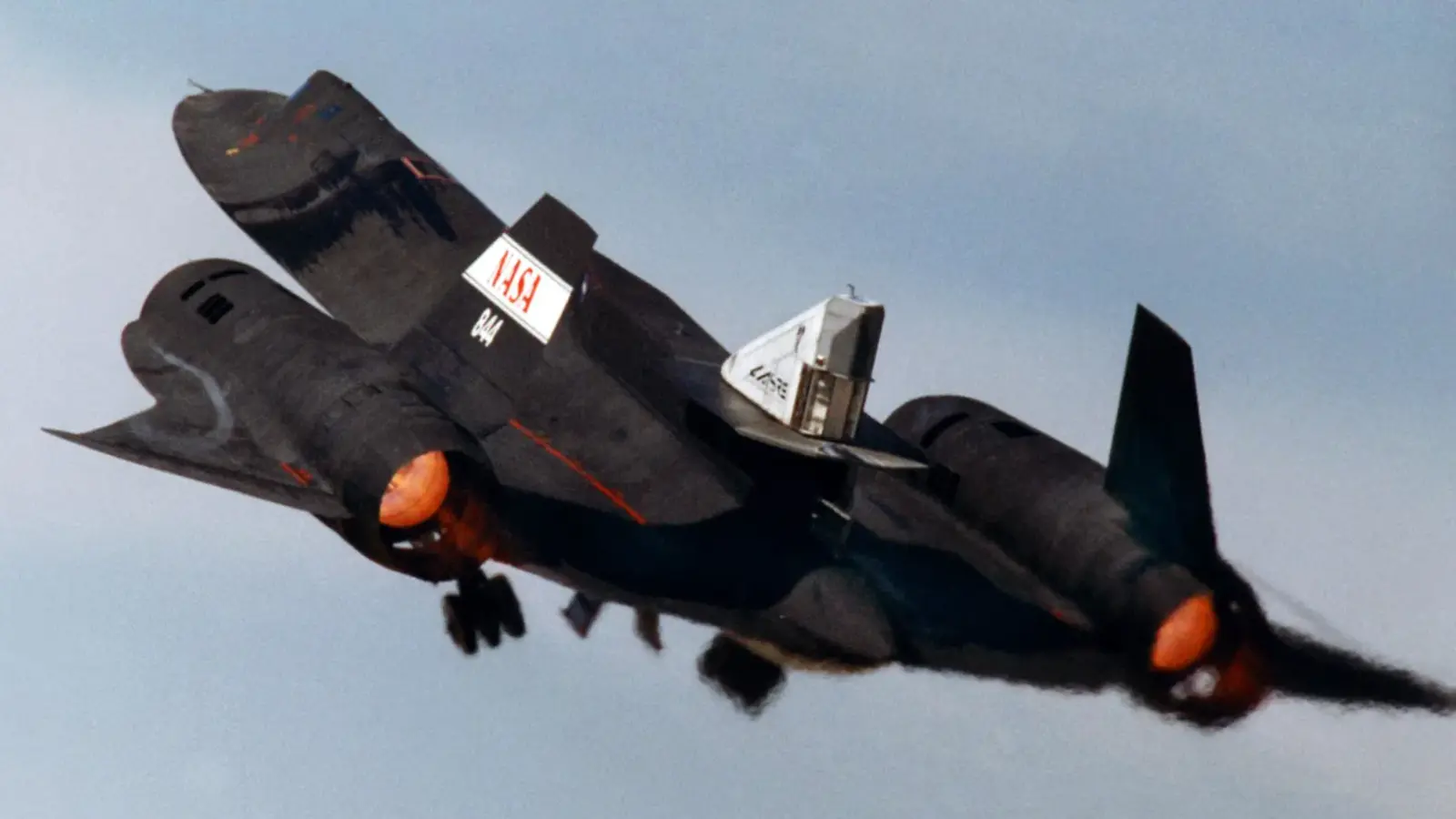
Why the SR‑71 Still Captures Imagination
NASA is exploring the possibility of restoring the SR‑71 Blackbird, the supersonic reconnaissance aircraft that last flew in 1999. The idea follows a surge of interest in the jet’s record speed and a recent outreach to former engineers for assistance. If the project succeeds, the Blackbird could return to flight status after more than two decades of retirement.
Latest news
 Why the Rumored iPhone Duo Excites Android Foldable Fans
 AMD's Canceled Ryzen 9 5900X3D Leaks Online
 California Subpoenas OpenAI Over Autonomous AI Hacking Risks
 Nvidia-Backed UK Supercomputer Faces Multi-Year Power Delay
Bringing the Blackbird back would require extensive work. Engineers would need to rebuild fuel systems, replace worn parts, and reacquire specialized knowledge. NASA has indicated it has the resources and expertise to undertake such a project, but the effort would be costly and time‑consuming.
What Would a Restoration Look Like?
The SR‑71 set a world record for the fastest air‑breathing aircraft, exceeding Mach 3. Its stealth and high‑altitude capabilities made it a symbol of Cold War ingenuity. The aircraft’s disappearance from active service has fueled speculation about its potential use in modern surveillance missions. NASA’s interest reflects a desire to preserve this technological legacy for future research and educational purposes.
Frequently Asked Questions
The restoration would begin with a comprehensive audit of the existing airframes. Parts stored in warehouses would be inspected for corrosion and structural integrity. New engines, avionics, and fuel lines would be fabricated to meet current safety standards. Training programs would be developed for pilots and maintenance crews to handle the Blackbird’s unique systems. The project could take several years and require collaboration with aerospace contractors.
If NASA succeeds, the SR‑71 could serve as a testbed for advanced materials and propulsion research. It would also provide a tangible link to the era of high‑speed reconnaissance. However, the financial burden and technical challenges may limit the project to a symbolic restoration rather than active flight. The outcome will shape how the legacy of the Blackbird is preserved for future generations.
Comments
Leave a comment