
Why the Update Engine Stalled: A Technical Breakdown
A recent Windows 11 rollout has left thousands of users stranded for up to seven hours, as a patch designed to improve system efficiency instead stalled computers across the globe. The incident began on September 12 when Microsoft released a cumulative update that, according to internal logs, required an extended reboot cycle to apply new security and performance fixes.
Latest news
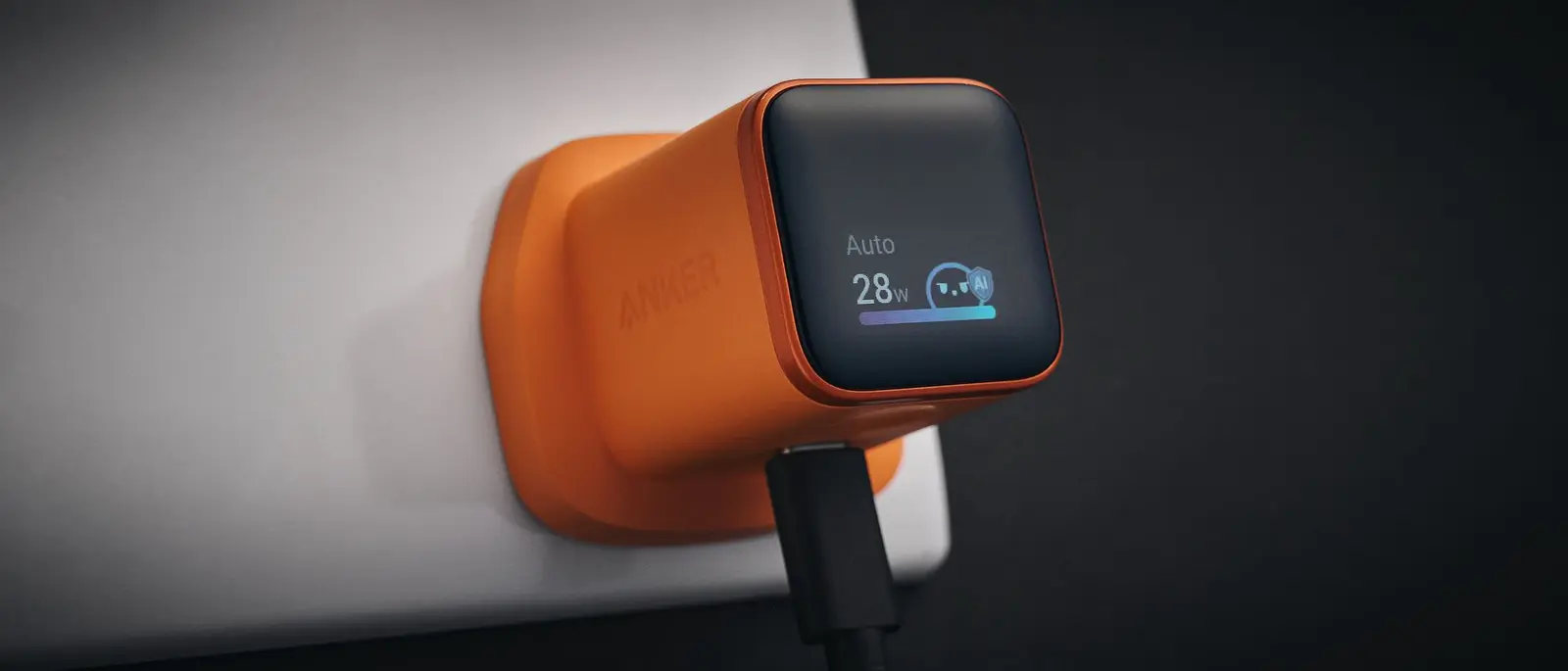 Anker Unveils Playful 45W Charger With Animated Face Display
 Google Docs Web Version Still Missing Native Dark Mode
 Anthropic-Linked Vulnerability Exploited From China, Targets US and Japan
 Text‑Based AI Agents: Your New Digital Assistants
The update was intended to address a backlog of 3,200 vulnerabilities that had accumulated over the past year. It also promised faster boot times and reduced memory usage. However, the installation process triggered a series of dependency checks that caused the system to enter a prolonged „update hostage” state. Users reported that their machines would display a „Installing updates” screen for hours, with no progress bar or estimated time.
Microsoft’s engineering team traced the problem to a misconfigured registry key that interfered with the Windows Installer service. The key, meant to streamline patch deployment, instead forced the system to re‑validate every installed component before applying the new binaries. This recursive validation loop consumed CPU cycles and stalled the update engine.
Can Users Safeguard Themselves from Future Lockouts?
The fallout has been widespread. Early adopters in the United States, Canada, and parts of Europe experienced average downtime of 4.5 hours, while some users in Asia reported up to seven hours of inactivity. Corporate IT departments have had to manually intervene, using PowerShell scripts to reset the update service and force a reboot. In several cases, businesses were forced to postpone critical meetings and project deadlines.
The core issue lies in the interaction between the Windows Update Agent (WUA) and the Windows Installer (MSI). When the agent downloads a patch, it hands it off to MSI for installation. The patch contains a list of files that must be verified against the system’s current state. In this case, the verification process was incorrectly set to „re‑check all files” rather than „verify only changed files.” This caused MSI to scan the entire system for each file, dramatically increasing the time required to complete the update.
Frequently Asked Questions
Microsoft’s response has been swift. Engineers have rolled back the registry change and issued a hotfix that restores the original verification mode. The company also announced a new diagnostic tool that will alert administrators if a future update triggers a similar stall. Early testing shows the tool can detect problematic updates within minutes, allowing for pre‑emptive rollback.
Yes, there are steps users can take to reduce the risk of prolonged update sessions. First, keep the „Active Hours” setting configured to match your typical usage pattern; this prevents Windows from rebooting during the day. Second, enable the „Show me a notification when a restart is required” option so you can plan ahead. Finally, consider using the „Pause Updates” feature for up to 35 days, which can give you time to verify that a new update does not cause issues before it is applied.
The incident has prompted Microsoft to re‑evaluate its update testing pipeline. The company now plans to run a 48‑hour simulation on a subset of its customer base before any major release. This approach aims to catch hidden dependencies and performance regressions that could lead to similar lockouts.
Comments
Leave a comment