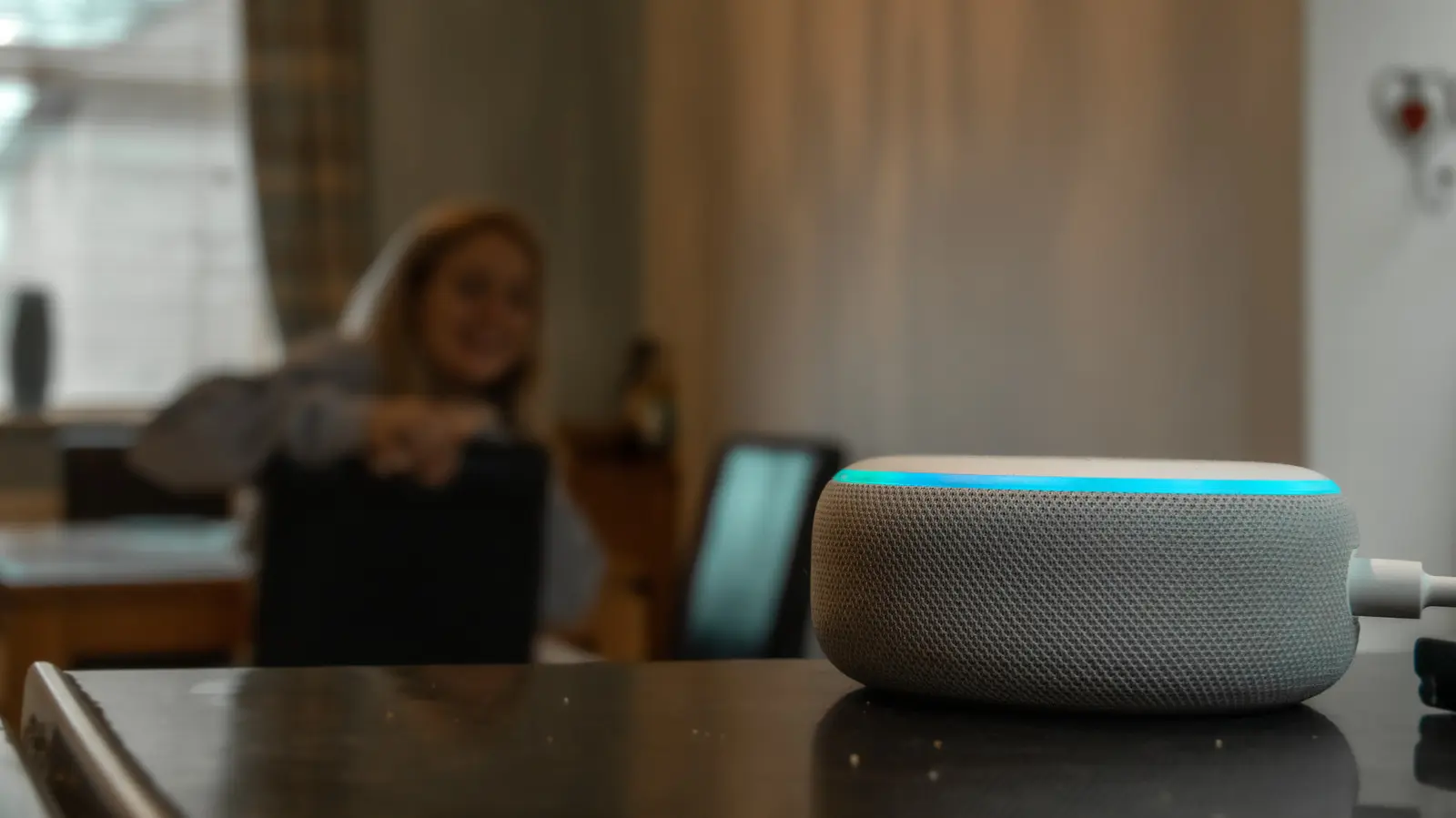
The Mechanics of Voice Activation
Amazon has sold over 600 million Alexa-enabled devices globally since the technology first launched. These smart speakers are now fixtures in millions of homes worldwide. While their microphones remain active to detect commands, the company maintains that the process is designed for functionality rather than intrusive surveillance of private conversations.
Latest news
 Smart TVs frequently lose their Wi-Fi connection, leaving viewers staring at a spinning loading icon
 Why Ignoring Car Software Updates Is Risky
 Apple's foldable iPhone Duo introduces dual-display multitasking capabilities
 FCC Weighs Reciprocal Limits on Foreign Satellite Firms
The hardware inside these devices is engineered to listen for a specific wake word. Until that trigger phrase is detected, the unit does not record or transmit audio to cloud servers. The device continuously processes sound locally in a temporary buffer that is overwritten every few seconds. This technical design ensures the speaker remains ready to assist without capturing every household sound.
When a user speaks the wake word, the device shifts from passive monitoring to active recording. The audio snippet is then sent to Amazon’s servers to interpret the request and provide a response. This cloud-based processing allows the system to improve its speech recognition capabilities over time. Users can manage these recordings through their account settings, where they have the option to review or delete their voice history.
Is Your Privacy Truly Compromised?
Privacy advocates often raise concerns about the potential for accidental triggers. Background noises or television dialogue can occasionally mimic the wake word, causing the device to record unintentionally. Amazon addresses this by providing visual indicators, such as a glowing light ring, to alert users when the microphone is actively streaming data to the cloud.
Automated systems handle most voice processing to ensure speed and accuracy. While the scale of data collection is significant, the primary goal remains the refinement of voice assistant performance. Users who prioritize extreme privacy can physically mute the microphones on their devices at any time.
As smart home technology evolves, the balance between convenience and data security remains a central debate. Future updates may focus on increasing local processing power to minimize the need for cloud-based audio storage. For now, consumers must weigh the benefits of voice-activated automation against the reality of maintaining a microphone-equipped device in their living spaces.
Frequently Asked Questions
Does the device record everything I say? No, the device only records and transmits audio after it detects the specific wake word. Prior to that, it only processes sound in a temporary local buffer.
Can I stop the device from listening? Yes, every Alexa-enabled device features a physical mute button. Pressing this disconnects the microphone, preventing the device from responding to any voice commands.
Where do my voice recordings go? Recordings are sent to secure cloud servers to be processed and interpreted. You can view, listen to, and delete these files at any time via your account settings.
Comments
Leave a comment