
How to Measure Your TV’s VESA Pattern
A VESA mount refers to the standardized hole pattern on the back of a television that allows it to be securely attached to a wall mount or stand. These measurements, such as 200 × 200 mm or 400 × 400 mm, indicate the distance in millimeters between the mounting holes, ensuring compatibility between the TV and the mounting hardware. Knowing your TV’s VESA size is essential before purchasing a wall mount to avoid mismatched fittings.
Latest news
 Major AI firms recorded peak lobbying expenses last summer
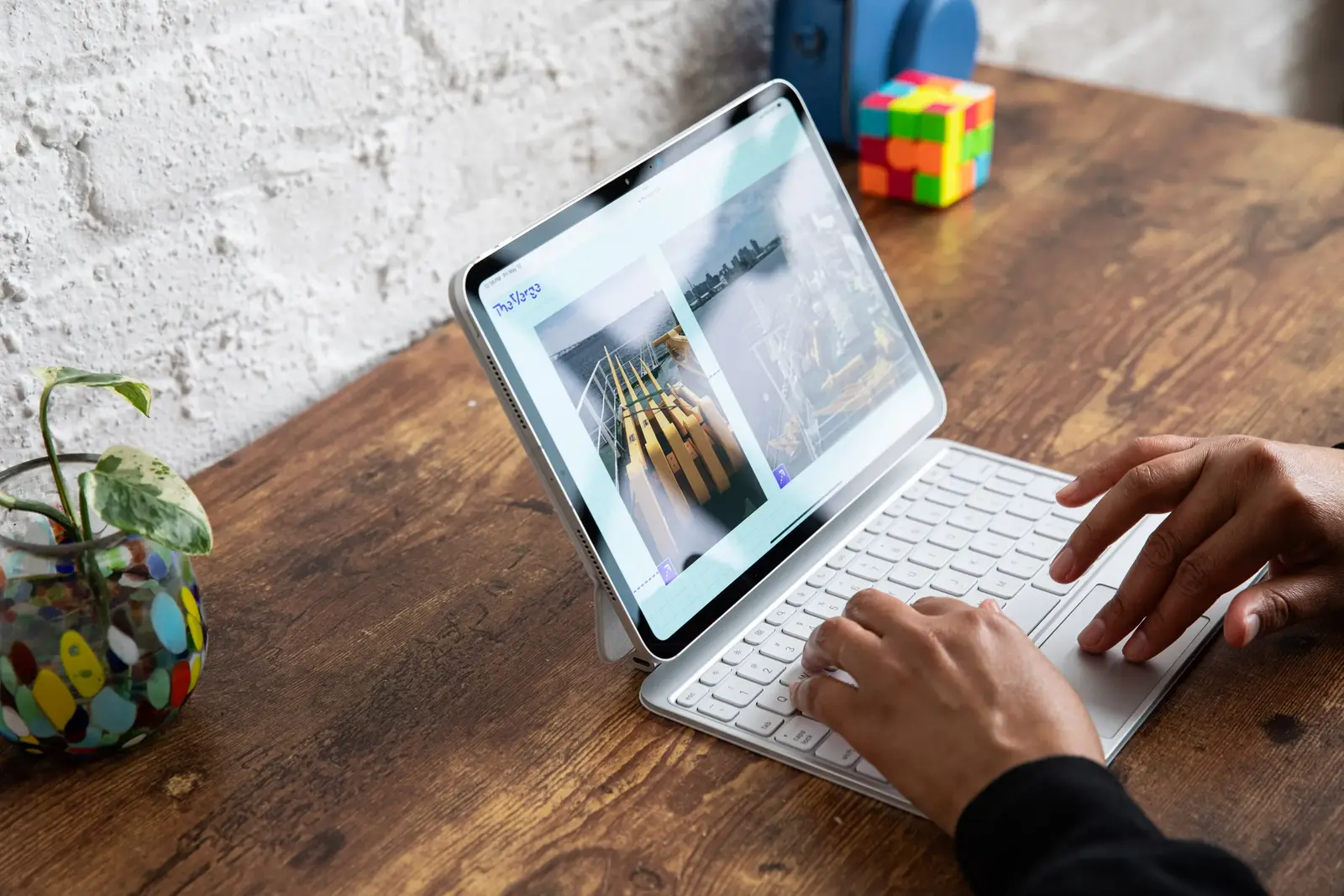 Apple Magic Keyboards for iPad Drop to Half Price at Woot
 Microsoft Provides Fix for Broken Exchange Online Apps
 Security Breach at AI Aggregator Exposes 18 Million Files and Private Chats
The VESA standard, established by the Video Electronics Standards Association, simplifies the process of mounting flat-panel displays by creating universal specifications. While the hole pattern tells you where the screws will go, it does not guarantee the mount can support your TV’s weight. Every mount has a specified weight limit, and exceeding it poses a safety risk. Additionally, the type of wall—such as drywall, concrete, or studs—determines the appropriate anchors and installation method. Ignoring these factors can result in an unstable setup, even if the VESA size matches.
What Should You Check Before Buying a Mount?
To find your TV’s VESA dimensions, measure the horizontal and vertical distance between the centers of the mounting holes on the back panel. Use a tape measure to record the spacing in millimeters. Common sizes include 200×200 for smaller TVs and 400×400 or 600×400 for larger models. Always double-check the measurement, as some TVs have non-standard or offset patterns that require adapters.
Beyond the VESA size, verify the mount’s maximum weight capacity and ensure it matches or exceeds your TV’s weight. Look for certifications like UL or TÜV for safety assurance. Consider the mount’s tilt, swivel, and extension features based on your viewing preferences. Also, confirm that the included hardware suits your wall type, or purchase appropriate anchors separately. Consulting the TV’s manual or manufacturer’s website can provide accurate VESA and weight details.
What if my TV doesn’t list the VESA size in the manual? Measure the hole pattern directly on the back of the TV using a ruler or tape measure. Record the horizontal and vertical distances in millimeters to determine the correct VESA standard.
Frequently Asked Questions
Can I use a mount with a higher weight limit than my TV’s weight? Yes, using a mount rated for more weight than your TV is safe and often recommended for added stability and durability.
Do all TVs follow the same VESA standard? Most modern flat-panel TVs adhere to VESA standards, but some older or proprietary models may have unique patterns requiring brand-specific adapters.
Comments
Leave a comment