
Engineering the Serialization Pipeline
Software engineers are increasingly exploring the niche field of custom binary packing to optimize data transmission and storage efficiency. By moving away from bloated text-based formats like JSON, developers are creating specialized schemas that allow for faster parsing and reduced memory footprints in high-performance computing environments.
Latest news
 Why the Rumored iPhone Duo Excites Android Foldable Fans
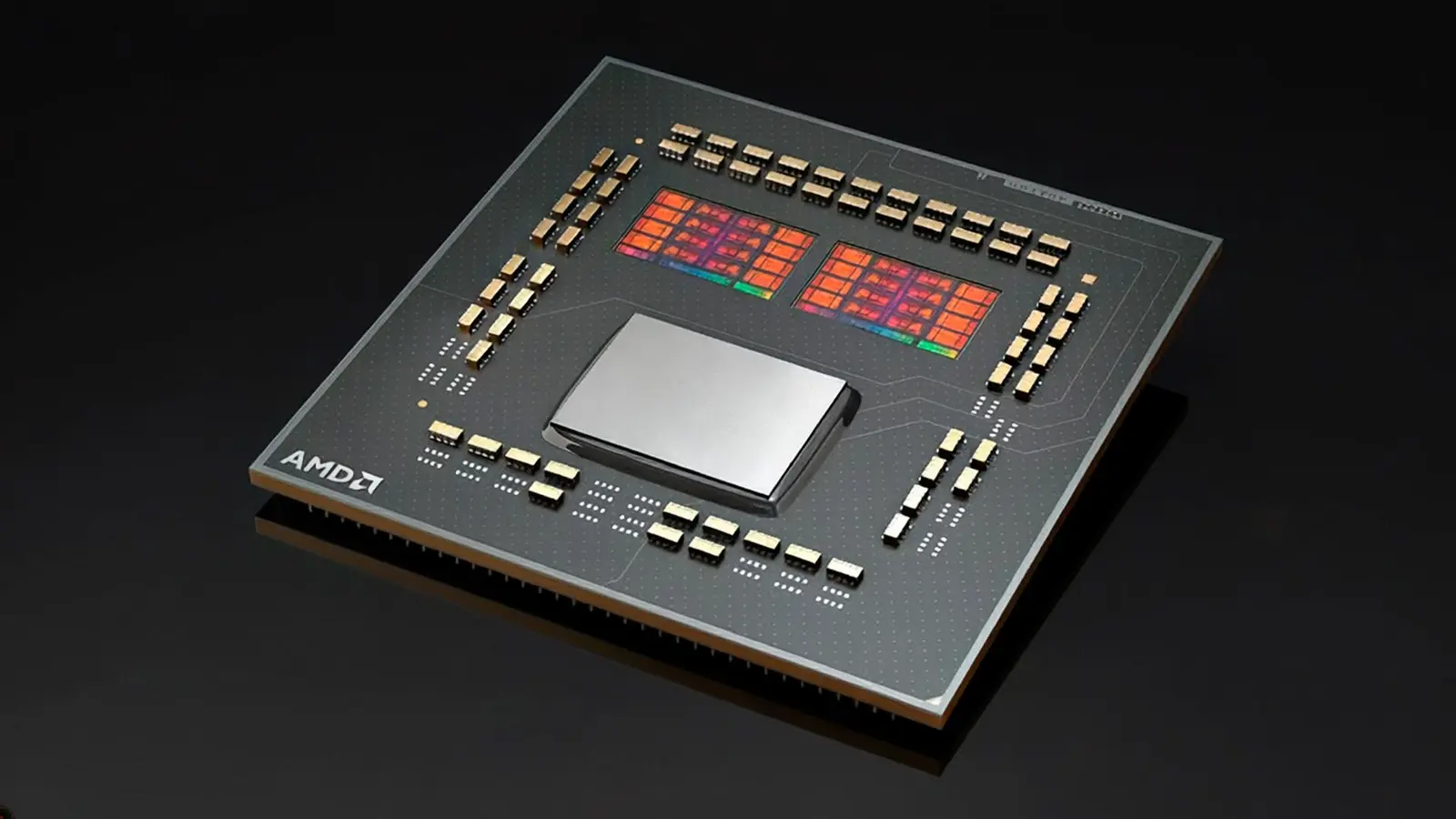 AMD's Canceled Ryzen 9 5900X3D Leaks Online
 California Subpoenas OpenAI Over Autonomous AI Hacking Risks
 Nvidia-Backed UK Supercomputer Faces Multi-Year Power Delay
Binary packing involves converting structured data into a compact, machine-readable format. This process requires a robust system to map complex objects into a stream of bytes. Developers must build custom lexers, abstract syntax trees, and parsers to define how data is encoded and decoded during runtime operations.
The development process begins by defining a strict schema syntax. This blueprint dictates how the compiler interprets data types before they are serialized. Once the syntax is established, engineers construct a lexer to tokenize the input, followed by an abstract syntax tree to represent the logical structure of the data.
Why Build a Custom Binary Packer?
A semantic analyzer then validates these structures, ensuring that the defined rules are consistent before code generation occurs. By utilizing the visitor pattern, developers can traverse the tree structure efficiently. This approach allows for the creation of a command-line interface that handles the translation between human-readable definitions and machine-efficient binary blobs.
While standard libraries exist for data serialization, building a custom solution offers unparalleled control over performance. Developers often face challenges when existing tools fail to meet specific memory constraints or speed requirements. Creating a bespoke packer allows for fine-tuned optimization that generic frameworks simply cannot provide.
Frequently Asked Questions
This technical endeavor requires a deep understanding of how compilers function and how bits are manipulated at the lowest level. As systems demand higher throughput, the ability to pack binary data effectively becomes a critical skill for backend engineers. Mastering these techniques ensures that applications remain lean and responsive under heavy loads.
What is the primary benefit of binary packing? Binary packing significantly reduces the size of transmitted data compared to text formats. This leads to faster network transfers and lower memory usage in complex applications.
Is building a custom packer difficult? It requires significant effort to implement a lexer, parser, and semantic analyzer. However, it provides developers with complete control over how data is structured and processed.
Comments
Leave a comment