
Can Dual Leadership Solve Executive Burnout?
Technology shifts and escalating security threats have rapidly transformed the corporate Chief Information Security Officer position over the last thirty years across global enterprises. Modern security leaders currently oversee complex responsibilities including risk reporting, information management, threat monitoring, corporate governance, and long-term security strategy development.
Latest news
 Major AI firms recorded peak lobbying expenses last summer
 Apple Magic Keyboards for iPad Drop to Half Price at Woot
 Microsoft Provides Fix for Broken Exchange Online Apps
 Security Breach at AI Aggregator Exposes 18 Million Files and Private Chats
The executive mandate continues to expand rapidly as companies increase their reliance on advanced artificial intelligence systems and digital infrastructure. Managing both high-level governance and daily technical threats simultaneously has pushed many traditional security executives toward professional burnout.
Corporate defenders now face relentless digital attacks while simultaneously answering board-level questions about enterprise risk exposure. Organizations demand technical vigilance against sophisticated threat actors alongside rigorous compliance reporting and strategic budget oversight.
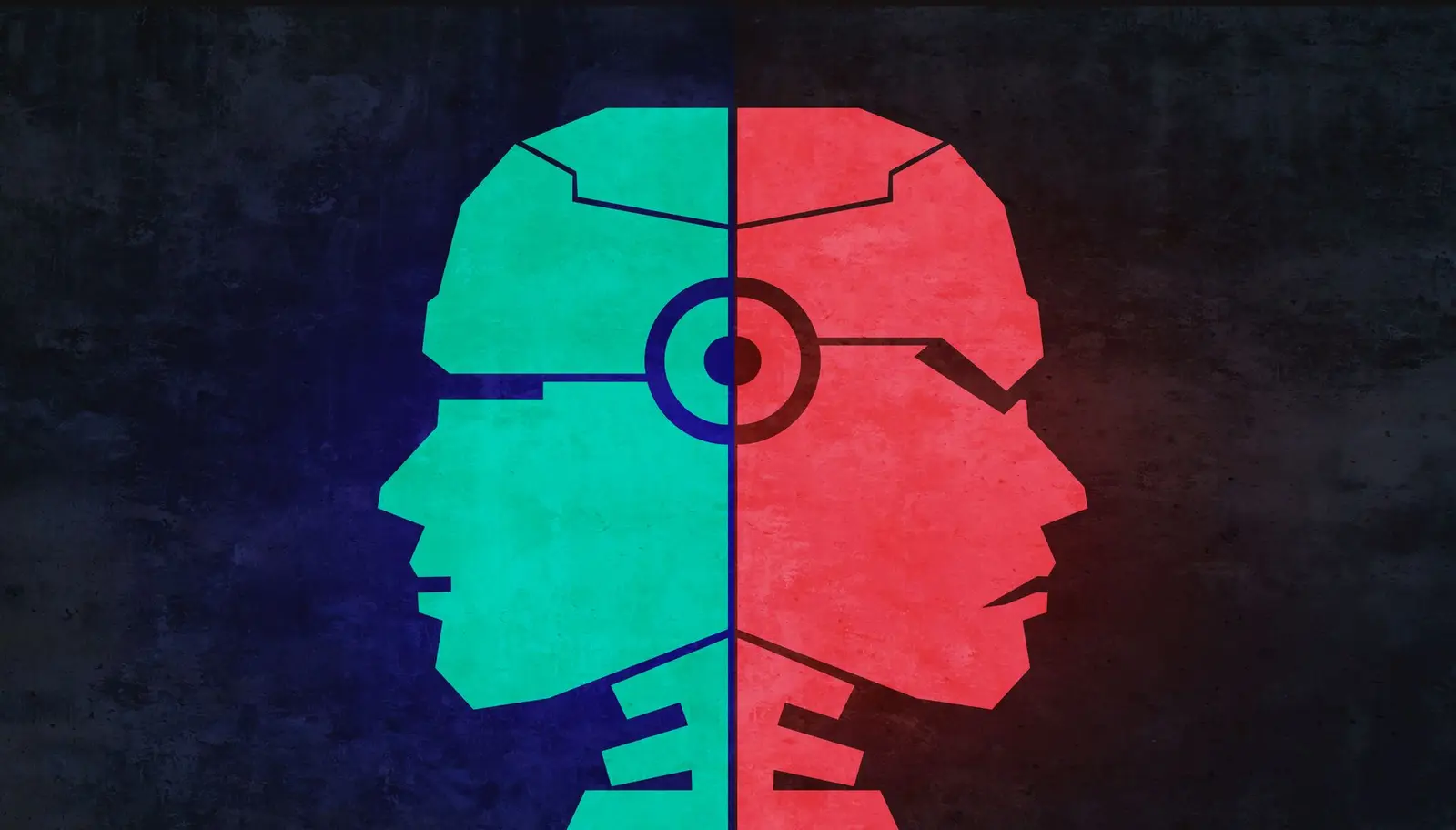
Splitting the position into two distinct functions could solve these operational challenges by separating strategic governance from hands-on defense. One leader could focus exclusively on architecture, threat monitoring, and technical operations, while a separate executive manages corporate risk and board communications.
Frequently Asked Questions
Creating two distinct executive positions allows organizations to specialize leadership focus without compromising overall digital defense posture. Companies that adopt this dual approach may navigate complex regulatory frameworks more effectively while maintaining robust technical safeguards.
Future organizational structures will likely adapt to the growing complexity of digital threats by distributing security accountability across multiple senior executives. This specialization ensures that both technical execution and corporate governance receive the dedicated attention necessary to protect modern enterprises.
What core responsibilities currently fall under the security chief? Modern security leaders handle risk reporting, information risk management, threat monitoring, accountability, governance, and security strategy.
Why is the executive security remit expanding? The rapid growth of artificial intelligence and widespread digital dependence have significantly increased corporate exposure to cyber threats.
Comments
Leave a comment