How Does True RGB LED Compare to OLED in Real-World Use?
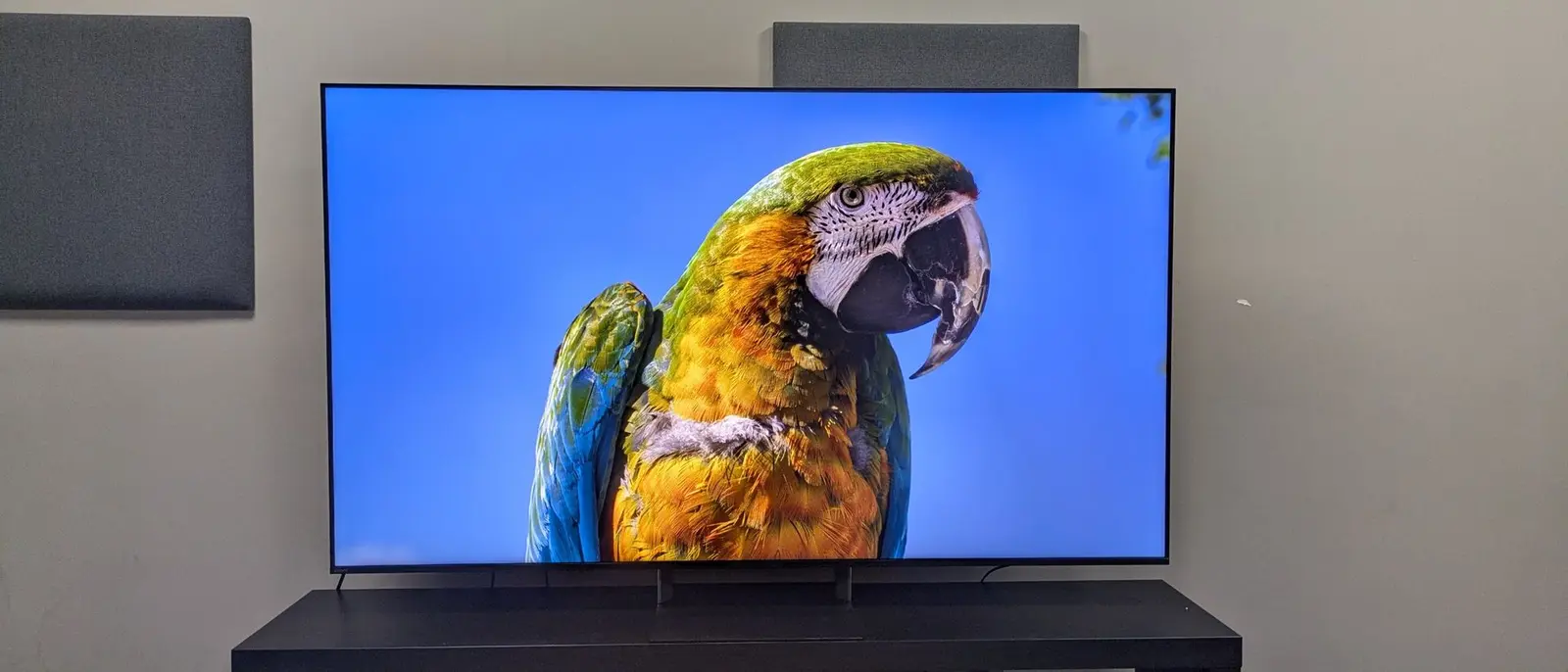
After weeks of testing the Sony Bravia 9 II, it stands out as the most advanced mini-LED television available in 2026, offering a compelling alternative to OLED panels. Sony’s implementation of True RGB LED technology marks a significant step in backlit TV evolution, aiming to close the performance gap with organic light-emitting diode displays. The TV was evaluated in a controlled home theater environment over a three-week period, assessing color accuracy, brightness, contrast, and motion handling across various content types.
Latest news
 Corsair Vengeance DDR5-6000 Kit Offers Ideal Speed for AMD Builds
 Hide.me VPN releases major Android update
 Hackers launch massive PHP2Shell attack wave
 Googlebooks are not yet ready for prime time
The Bravia 9 II leverages Sony’s True RGB LED system, which uses individual red, green, and blue LEDs to produce light directly rather than relying on white LEDs with color filters. This approach allows for more precise color control and higher peak brightness, reaching up to 4,000 nits in HDR scenes. During testing, the TV demonstrated exceptional color volume and accuracy, particularly in saturated hues like cyan and magenta, where traditional mini-LED TVs often fall short. Local dimming with thousands of zones contributed to deep blacks and minimal blooming, though not quite matching the pixel-level control of OLED.
Can Mini-LED Finally Deliver on the Promise of RGB Technology?
In side-by-side comparisons with Sony’s own A95L OLED, the Bravia 9 II held its own in bright rooms, where its higher luminance prevented washout during daytime viewing. For HDR content such as nature documentaries and 4K gaming, the mini-LED TV delivered punchy highlights and vivid colors that impressed even seasoned videophiles. However, in dark-room scenes with subtle gradients, the OLED still exhibited superior black levels and near-instantaneous response times, giving it an edge in cinematic immersion. The Bravia 9 II’s processing, powered by Sony’s XR AI Processor, helped upscale lower-resolution content effectively, reducing noise and enhancing texture without introducing artifacts.
The Bravia 9 II represents the most refined use of RGB LED backlighting to date, validating Sony’s claim that it serves as a „showcase for what RGB can do.” While not yet a complete OLED killer, it narrows the gap significantly, especially for viewers prioritizing brightness and color volume over absolute black perfection. The TV’s design remains sleek, with minimal bezels and a premium build, and it supports HDMI 2.1, VRR, and ALLM for next-gen gaming consoles. Priced at the high end of the market, it targets enthusiasts seeking cutting-edge performance without committing to OLED’s potential burn-in risks.
What makes the Sony Bravia 9 II different from other mini-LED TVs? It uses True RGB LED backlighting, where individual red, green, and blue LEDs create light directly, improving color accuracy and brightness compared to conventional white LED-based mini-LED panels.
Frequently Asked Questions
Is the Bravia 9 II better than OLED for gaming? It offers higher peak brightness and excellent motion handling, making it strong for bright-room gaming, but OLED still leads in contrast and response time for dark-scene performance.
Does the TV suffer from blooming or halo effects? Thanks to thousands of local dimming zones and advanced processing, blooming is minimal, though slight halos may appear in extreme high-contrast scenarios, less than most competing mini-LED models.
Comments
Leave a comment