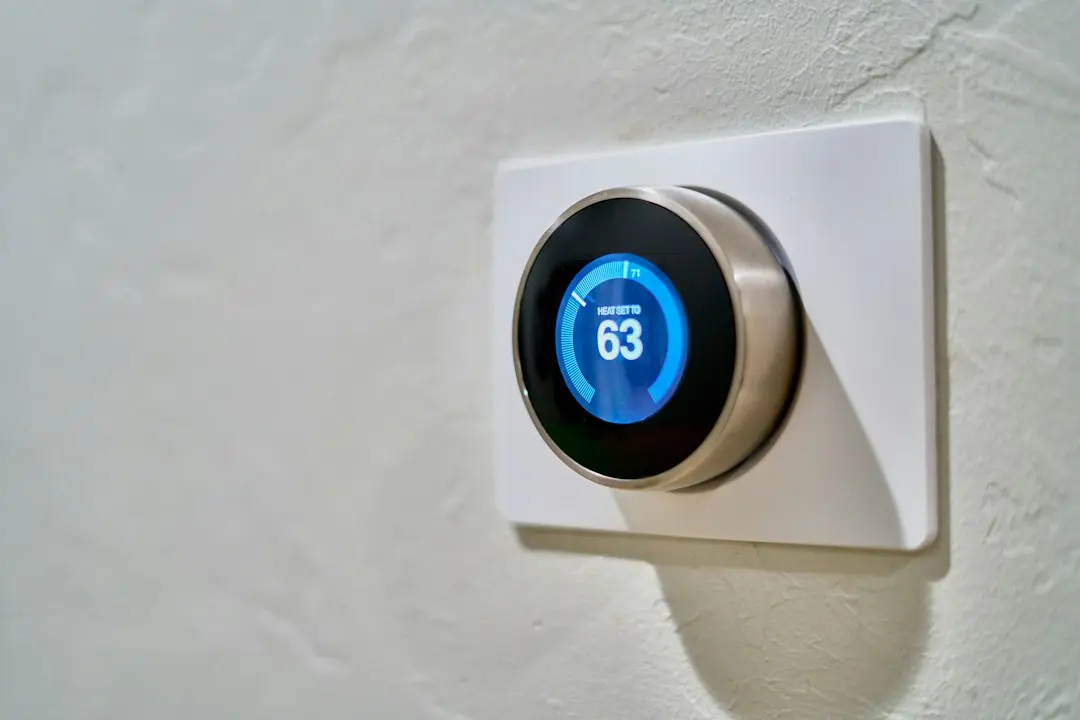
Sensor Limitations Drive Unnecessary Energy Costs
Homeowners often assume their smart thermostats detect open windows automatically. In reality, most devices lack the sensors needed to see through glass. This oversight leads to significant energy waste. The system continues heating or cooling empty rooms. You pay for climate control that escapes outdoors. The technology fails to distinguish between a closed and open window.
Latest news
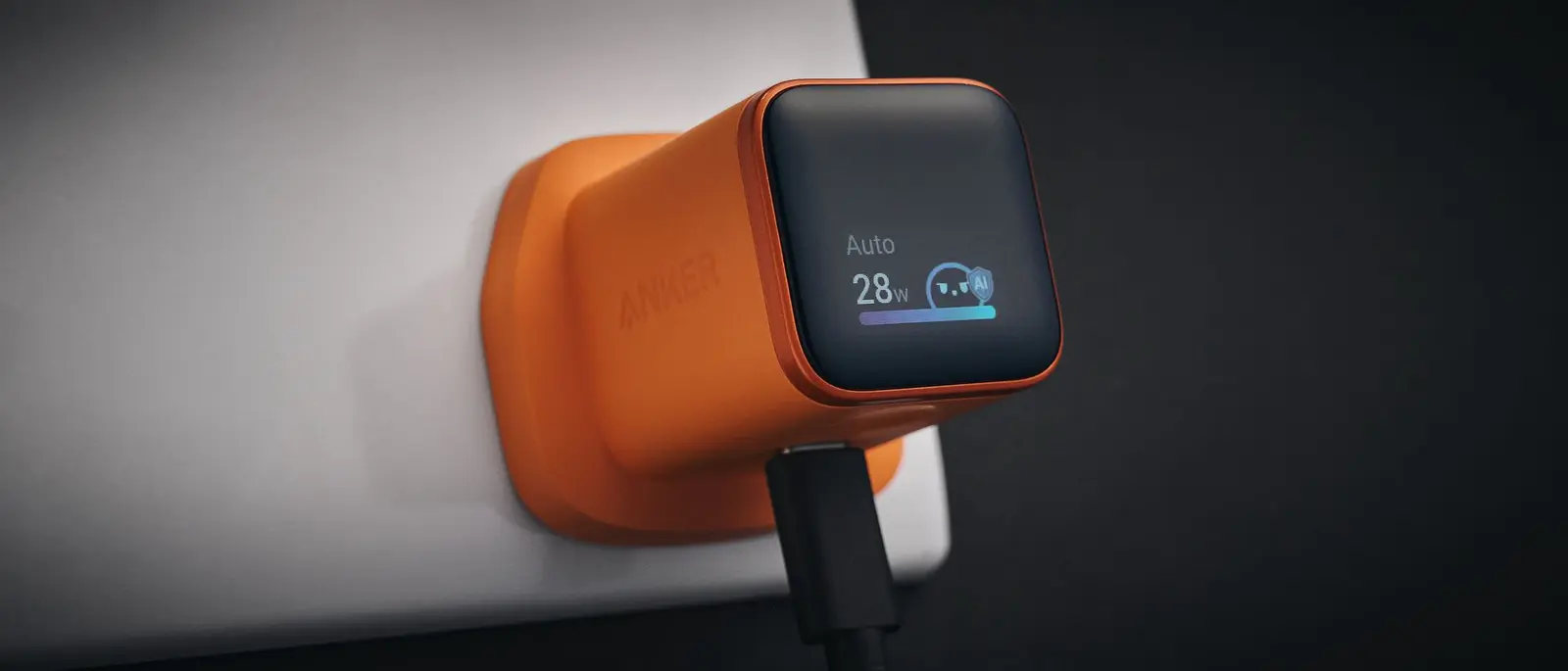 Anker Unveils Playful 45W Charger With Animated Face Display
 Google Docs Web Version Still Missing Native Dark Mode
 Anthropic-Linked Vulnerability Exploited From China, Targets US and Japan
 Text‑Based AI Agents: Your New Digital Assistants
The core issue lies in how these devices gather data. Standard models rely on internal temperature probes. They measure the air inside the room, not the state of the windows. Without dedicated window sensors, the thermostat assumes the space is sealed. It maintains its programmed schedule regardless of drafts. This creates a mismatch between user expectations and actual performance.
Most consumer-grade thermostats do not include infrared or ultrasonic window detectors. These advanced components are rare in entry-level products. Users must buy separate add-on sensors to bridge this gap. Without them, the main unit remains blind to external changes. A drafty window can lower indoor temperatures rapidly. The thermostat responds by ramping up the furnace. It fights the cold air entering from outside. This cycle increases fuel consumption significantly.
Do You Need Extra Hardware for True Automation?
Manufacturers design these systems for simplicity and cost efficiency. Adding complex sensing hardware raises the price point. Many brands leave this feature to third-party accessories. Consequently, the default experience feels unintuitive. Homeowners expect seamless automation. They believe the device knows when a window opens. That assumption drives frustration and higher utility bills.
Yes, if you want automatic detection. You need compatible window sensors. These small devices clip onto window frames. They report status directly to the thermostat hub. When a window opens, the system pauses heating or cooling. This prevents wasted energy during occupancy. Setup requires manual installation. You place each sensor near active windows. The system learns which rooms have openable windows.
Data shows that unmanaged open windows cause up to ten percent heat loss. In winter, this forces heaters to work harder. In summer, air conditioners struggle against warm incoming air. The result is inconsistent comfort levels. Rooms fluctuate in temperature. Residents may feel chilly or stuffy. The thermostat tries to compensate constantly. This leads to short cycling. Frequent start-stop cycles wear out mechanical parts.
Frequently Asked Questions
Do all smart thermostats have built-in window detection? No, very few standard models include this feature natively. Most require external, battery-powered sensors for accurate detection.
How much money can I save by closing windows? Closing open windows during extreme weather saves significant energy costs. The exact amount depends on local climate and home insulation quality.
Can I use any window sensor with my thermostat? You generally need sensors compatible with your specific brand. Check manufacturer compatibility lists before purchasing accessories.
Comments
Leave a comment