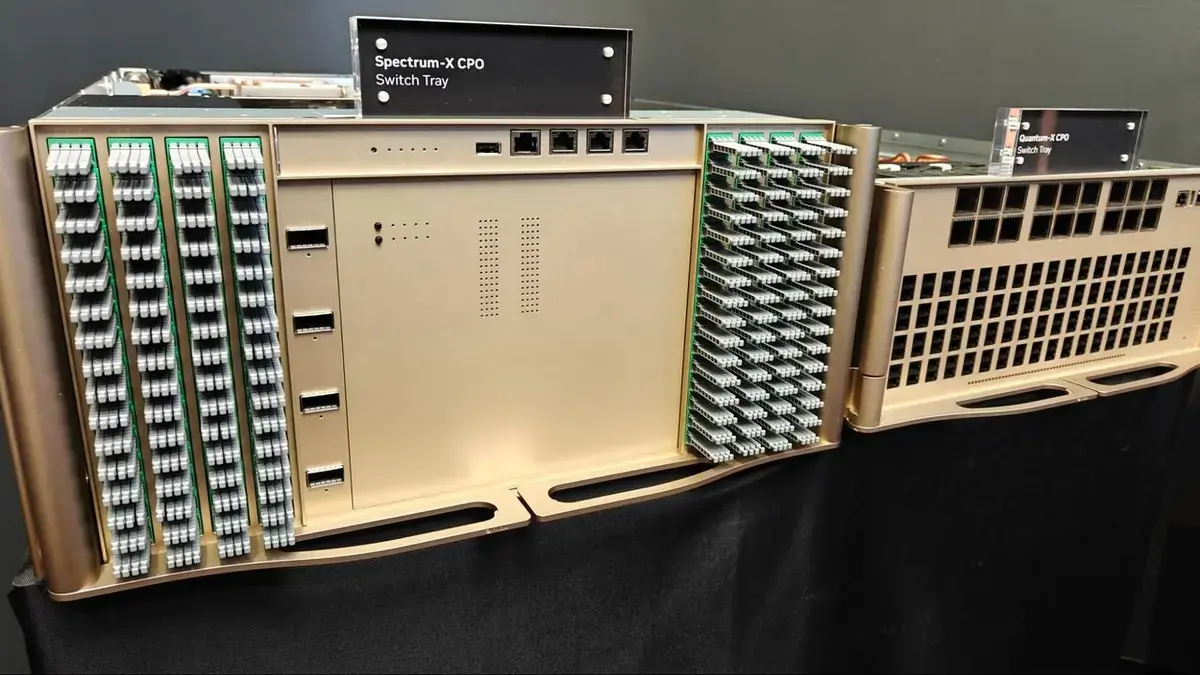
Breaking the Copper Ceiling
The AI industry is at a crossroads as hyperscalers demand more performance from existing facilities. The focus is shifting from raw processing power to the fabric connecting chips. This change is driven by the limitations of traditional copper interconnects.
Latest news
 California Imposes Penalties for Robotaxis Obstructing Emergency Services
 Meta’s AI Agent Muse Builds Comprehensive Dossiers on Close Contacts
 The State of Cybersecurity in 2026: Key Segments, Insights, and Innovations
 Why the Rumored iPhone Duo Excites Android Foldable Fans
As AI hardware evolves, the question of who controls the interconnects is becoming increasingly important. The industry is moving towards photonic interconnects to overcome the constraints of copper. This transition is crucial in determining the future of AI hardware development.
Copper interconnects are facing significant limitations as AI systems grow in complexity. Photonic interconnects offer a promising solution, enabling faster data transfer rates and lower latency. Industry experts believe that photonic interconnects will be essential for achieving the required performance levels.
Can Photonic Interconnects Keep Pace with AI?
The integration of photonic interconnects is a complex task, requiring significant advancements in technology. Companies are investing heavily in research and development to overcome the technical challenges. The goal is to create a seamless and efficient connection between chips, enabling AI systems to scale more effectively.
As AI continues to advance, the demand for faster and more efficient interconnects will only intensify. The industry's ability to integrate photonic interconnects will play a critical role in determining the future of AI development. If successful, photonic interconnects could enable significant breakthroughs in AI performance and capabilities.
The consequences of failing to integrate photonic interconnects could be severe, potentially limiting the growth of AI. However, with continued investment and innovation, the industry is poised to overcome the challenges and unlock new possibilities.
Frequently Asked Questions
What are photonic interconnects? Photonic interconnects use light to transfer data between chips, offering faster speeds and lower latency than traditional copper interconnects.
Why are photonic interconnects necessary for AI? Photonic interconnects are essential for achieving the required performance levels in AI systems, enabling faster data transfer rates and lower latency.
How will photonic interconnects impact AI development? The successful integration of photonic interconnects could enable significant breakthroughs in AI performance and capabilities, driving future growth and innovation.
Comments
Leave a comment