
Funding Fuels VCSEL Innovation
PicoJool, a Silicon Valley startup, announced a $27.5 million Series A round on September 27, 2026. The funding was led by venture firm Socratic Partners. PicoJool focuses on vertical cavity surface‑emitting lasers (VCSELs) for AI data‑center interconnects. The capital will support product development and scale-up.
Latest news
 Why the Rumored iPhone Duo Excites Android Foldable Fans
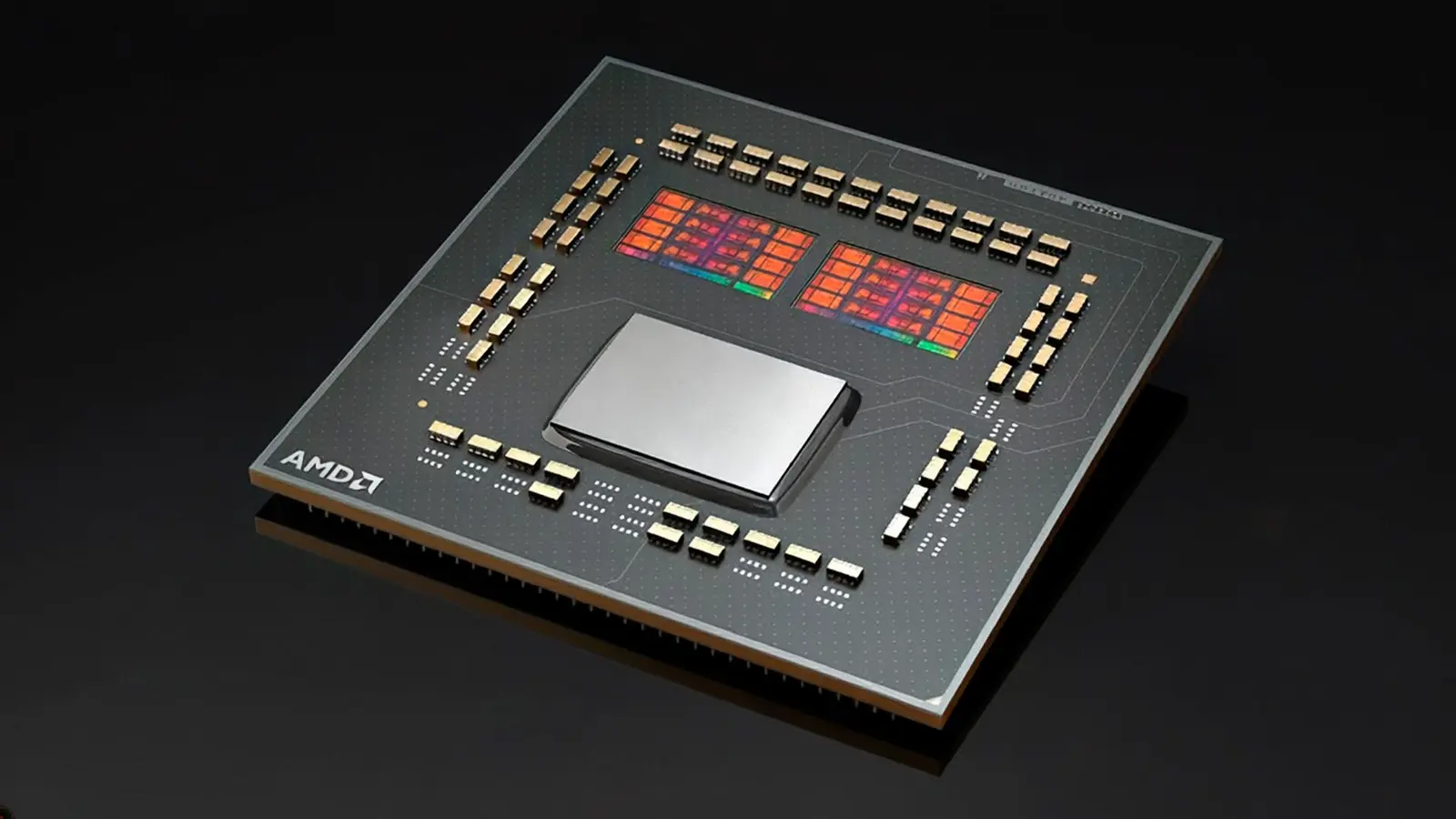 AMD's Canceled Ryzen 9 5900X3D Leaks Online
 California Subpoenas OpenAI Over Autonomous AI Hacking Risks
 Nvidia-Backed UK Supercomputer Faces Multi-Year Power Delay
VCSELs promise higher bandwidth and lower latency than current fiber solutions. PicoJool’s technology can deliver terabits per second over short distances inside data‑center racks. The startup plans to integrate its chips with existing server hardware. The Series A round follows a successful seed round that raised $8 million in 2025.
The $27.5 million injection is among the largest for optical interconnect startups this year. Socratic Partners highlighted PicoJool’s strong technical team and early prototypes. The capital will help the company build a production line for VCSEL arrays. It will also fund engineering for higher‑power, lower‑noise lasers.
How VCSELs Transform Data‑Center Interconnects?
VCSELs are already used in consumer devices like webcams and VR headsets. PicoJool adapts the technology for high‑speed data links. The company claims its chips can reduce power consumption by up to 30 % compared to traditional lasers. This advantage is critical as AI workloads grow.
Data‑center interconnects must support rapid exchange of AI model parameters. Current solutions rely on multi‑gigabit Ethernet or InfiniBand. These can become bottlenecks for large‑scale training. PicoJool’s VCSELs offer a compact, cost‑effective alternative. The lasers can be placed directly on the motherboard. This reduces cable complexity and improves reliability.
The startup’s design also supports dynamic bandwidth allocation. It can adjust data rates in real time based on workload demands. This flexibility is attractive to cloud providers. The technology is compatible with existing optical fiber standards.
What Does This Mean for AI Workloads?
The Series A round will also support compliance testing. PicoJool will certify its chips for data‑center use. The company plans to partner with major server OEMs. Early pilots are slated for Q4 2026.
AI training requires massive data movement. Faster interconnects lower training time and cost. PicoJool’s VCSELs can help reduce the overall energy footprint of data centers. The startup’s focus on low‑power lasers aligns with sustainability goals.
The funding also signals investor confidence in optical solutions for AI. It may spur further investment in VCSEL research. Competitors may accelerate their own product roadmaps. The market for high‑speed interconnects is projected to grow rapidly.
Frequently Asked Questions
What is a VCSEL? A VCSEL is a laser that emits light perpendicular to its surface. It is compact and can be densely packed on a chip.
Why is this funding significant? The $27.5 million round is the largest for an optical interconnect startup this year. It enables PicoJool to scale production and enter the market.
What are the potential applications of PicoJool’s technology? The VCSELs can be used in AI training clusters, high‑performance computing, and next‑generation data‑center fabrics. They offer lower latency and higher bandwidth than current solutions.
Comments
Leave a comment