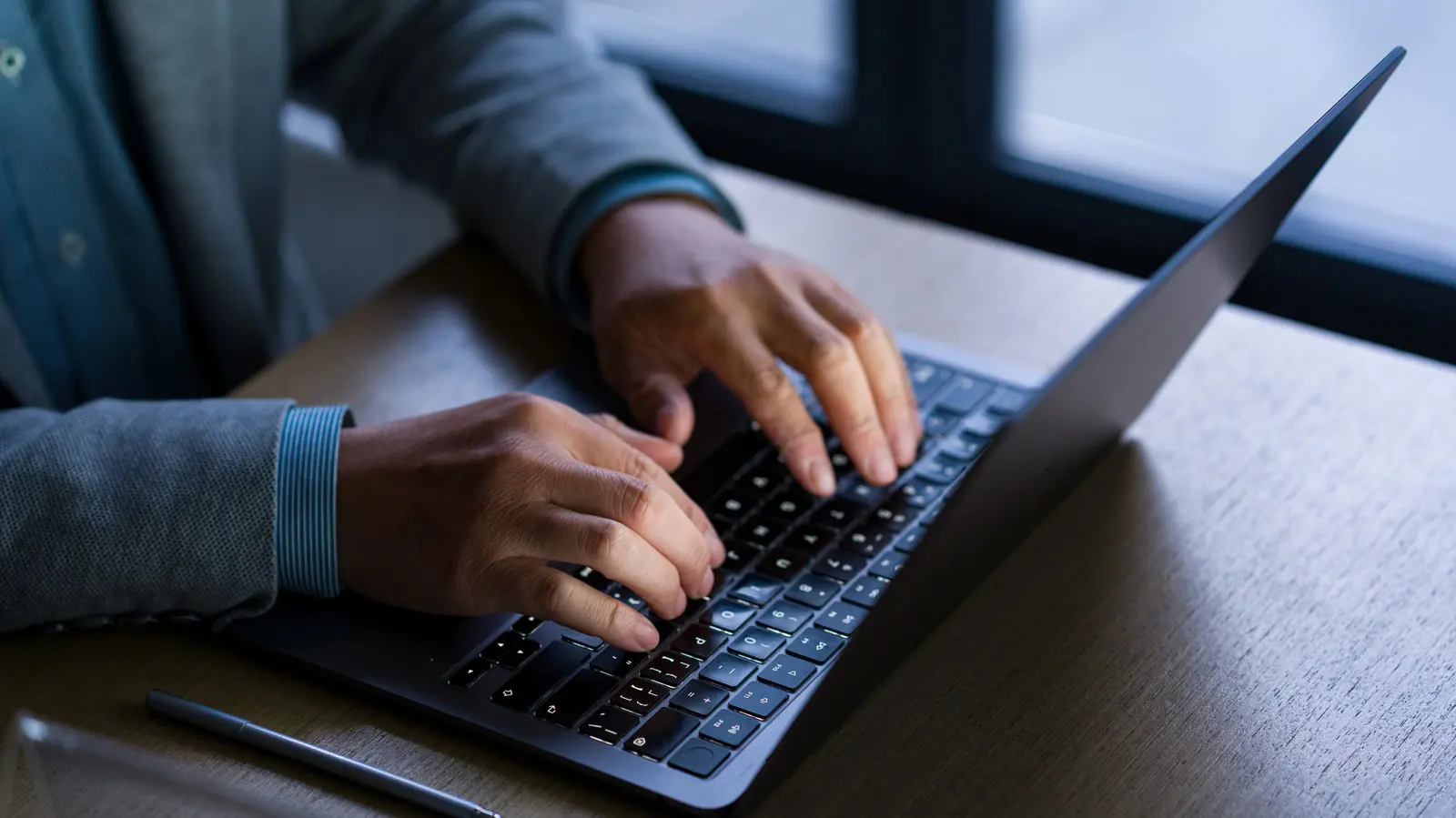
Why a Simple Delete Isn’t Enough
A growing number of people are clearing out old laptops as they upgrade to newer models. The practice is common across the United States and many other countries, with retailers and charities accepting used devices for resale or donation. However, experts warn that handing over a laptop without wiping it first can expose personal files, passwords, and financial information to strangers. The risk is especially high when the device is sold, given away, or sent to a recycling center.
Latest news
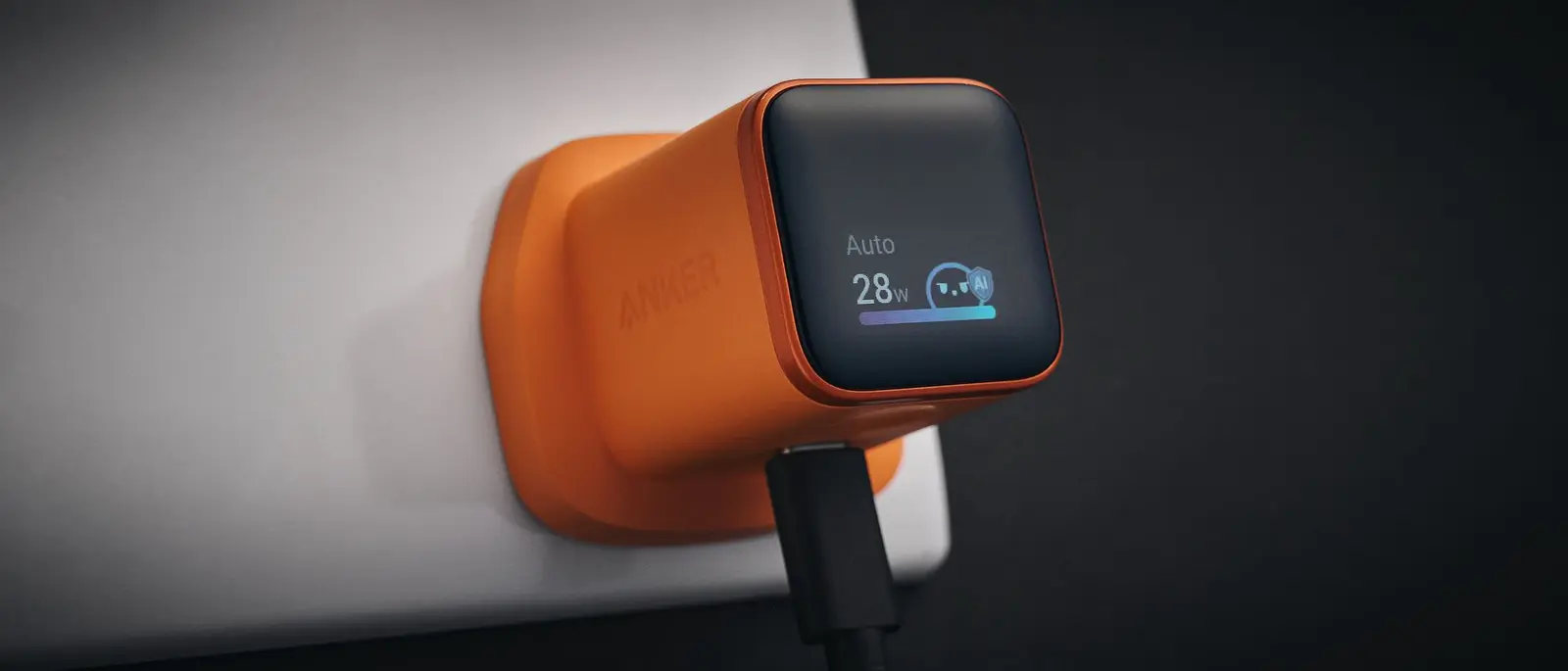 Anker Unveils Playful 45W Charger With Animated Face Display
 Google Docs Web Version Still Missing Native Dark Mode
 Anthropic-Linked Vulnerability Exploited From China, Targets US and Japan
 Text‑Based AI Agents: Your New Digital Assistants
Most users assume that deleting files or performing a simple factory reset removes all traces of data, but modern forensic tools can recover information from overwritten sectors. Cybersecurity specialists recommend a multi‑step approach: back up essential data, encrypt the drive, and then use specialized software to overwrite every sector with random data. Only after the drive is verified as clean should the laptop be transferred to a new owner or a recycling facility.
When you delete a file, the operating system merely removes the pointer to the data, leaving the actual bits intact until they are overwritten. Data‑recovery experts can retrieve these remnants with relative ease. A factory reset often restores the operating system to its original state but does not guarantee that the storage medium has been securely erased.
„People think a reset is a clean slate, but it’s more like a fresh coat of paint over old wallpaper,” says cybersecurity analyst Maya Patel. „If someone has the right tools, they can peel back that paint and see what was underneath.”
Should You Donate or Recycle a Laptop Without Wiping It First?
To truly protect personal information, users should first encrypt the entire drive using built‑in tools like BitLocker for Windows or FileVault for macOS. Encryption ensures that even if data remnants remain, they are unreadable without the encryption key. After encryption, a reputable wiping program—such as DBAN or the built‑in macOS Disk Utility secure erase option—should be run to overwrite the drive multiple times.
No. Whether the laptop is headed to a charity, a second‑hand shop, or an e‑waste recycler, the same security protocols apply. Many organizations lack the resources to securely erase incoming devices, and they may inadvertently pass on compromised hardware to unsuspecting recipients.
„Charities are great partners for extending the life of technology, but they rely on donors to do the hard work of data sanitization,” notes nonprofit coordinator Luis Ramirez. „If donors skip this step, the charity could become a conduit for identity theft.”
Frequently Asked Questions
Consequences of neglecting proper data erasure include potential financial fraud, unauthorized access to personal emails, and exposure of sensitive work documents. As data‑breach lawsuits become more common, individuals could face legal and financial repercussions even if the breach originates from a discarded laptop. Looking ahead, experts expect stricter regulations on electronic waste handling, which may require documented proof of data destruction before devices can be accepted for recycling.
How can I tell if my laptop’s drive has been fully wiped? Run a diagnostic tool that scans for recoverable files after the wiping process. If the scan returns no results, the drive is likely clean.
Is it safe to sell a laptop with a fresh operating system installed? Only if you have also encrypted the drive and performed a secure erase. A fresh OS alone does not remove hidden data.
What should I do with the laptop’s battery before recycling? Remove the battery if possible and follow local e‑waste guidelines, as batteries require separate handling to prevent fire hazards.
Comments
Leave a comment