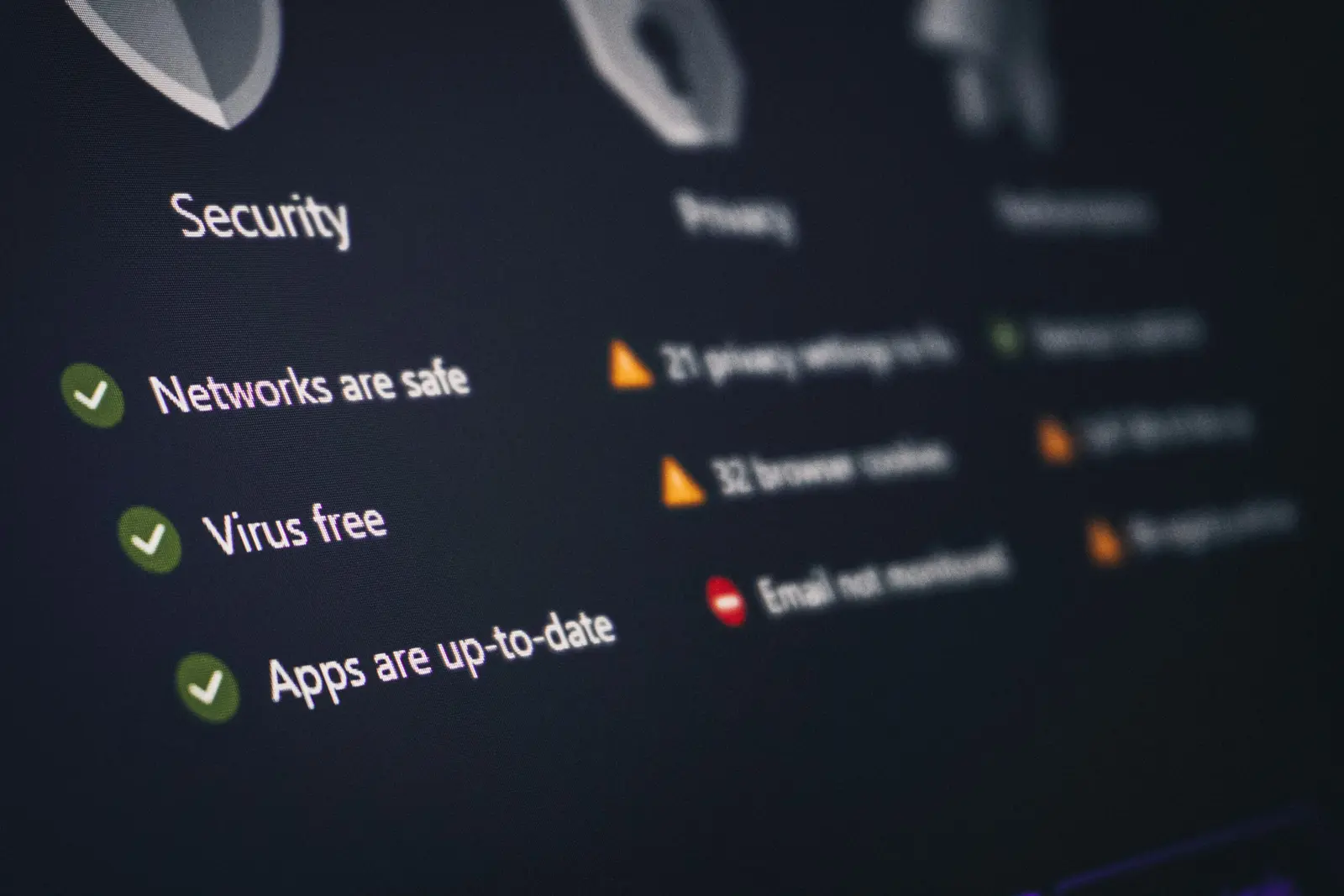
Enhancing Security Through Traffic Masking
Smartphones have evolved into essential hubs for daily tasks like banking, remote work, and online shopping. As Android users navigate the web, their personal data often remains vulnerable to tracking and unauthorized collection. Understanding how proxy services function is increasingly critical for maintaining digital privacy and securing sensitive information in an interconnected world.
Latest news
 Smart TVs frequently lose their Wi-Fi connection, leaving viewers staring at a spinning loading icon
 Why Ignoring Car Software Updates Is Risky
 Apple's foldable iPhone Duo introduces dual-display multitasking capabilities
 FCC Weighs Reciprocal Limits on Foreign Satellite Firms
Proxies act as intermediaries between a mobile device and the internet. When you connect through a proxy, your traffic is routed through a remote server rather than going directly to a website. This process masks your original IP address, making it difficult for third parties to monitor your browsing habits or pinpoint your physical location.
Using a proxy server adds a layer of anonymity to your mobile activity. By hiding your true identity, you reduce the risk of targeted advertising and data profiling. This is particularly useful when accessing public Wi-Fi networks, where malicious actors often attempt to intercept unencrypted data packets.
Is a Proxy Enough to Guarantee Total Anonymity?
Many users also utilize these tools to bypass regional restrictions on content. By selecting a server in a different geographic area, your Android device appears to be accessing the internet from that specific location. This functionality provides both privacy benefits and greater flexibility for global web browsing.
While proxies are effective for masking IP addresses, they do not provide the same level of encryption as a Virtual Private Network. A proxy typically handles traffic for specific applications rather than securing your entire device’s data stream. Users should remain cautious about the privacy policies of the proxy provider itself, as the server operator can still see your requests.
Frequently Asked Questions
Relying solely on a proxy may leave gaps in your security posture. For comprehensive protection, users must combine these tools with strong passwords and two-factor authentication. As digital threats continue to evolve, maintaining a proactive approach to mobile privacy remains the best defense against data breaches and unauthorized surveillance.
Does a proxy hide my browsing history from my internet service provider? A proxy hides your activity from the websites you visit, but your service provider can still see the traffic moving between your device and the proxy server. For total invisibility, you would need a fully encrypted connection.
Can proxy services slow down my Android phone? Yes, routing your data through an additional server often introduces latency. You may notice slower loading times for websites and apps depending on the distance and quality of the proxy server you choose.
Comments
Leave a comment