
Why Speed Beats Depth in Real-Time Speech
Google and OpenAI released competing voice agent updates within a five-day window in late 2024. The tech giants addressed a critical flaw in conversational AI: high latency during complex tasks. OpenAI launched GPT-Live-1 first, focusing on rapid response times. Google followed immediately with Gemini 3.8 Live and its extended thinking variant. These releases aim to make spoken interactions feel instantaneous rather than robotic. The race highlights how quickly the industry is refining real-time speech capabilities for developers and end users alike.
Latest news
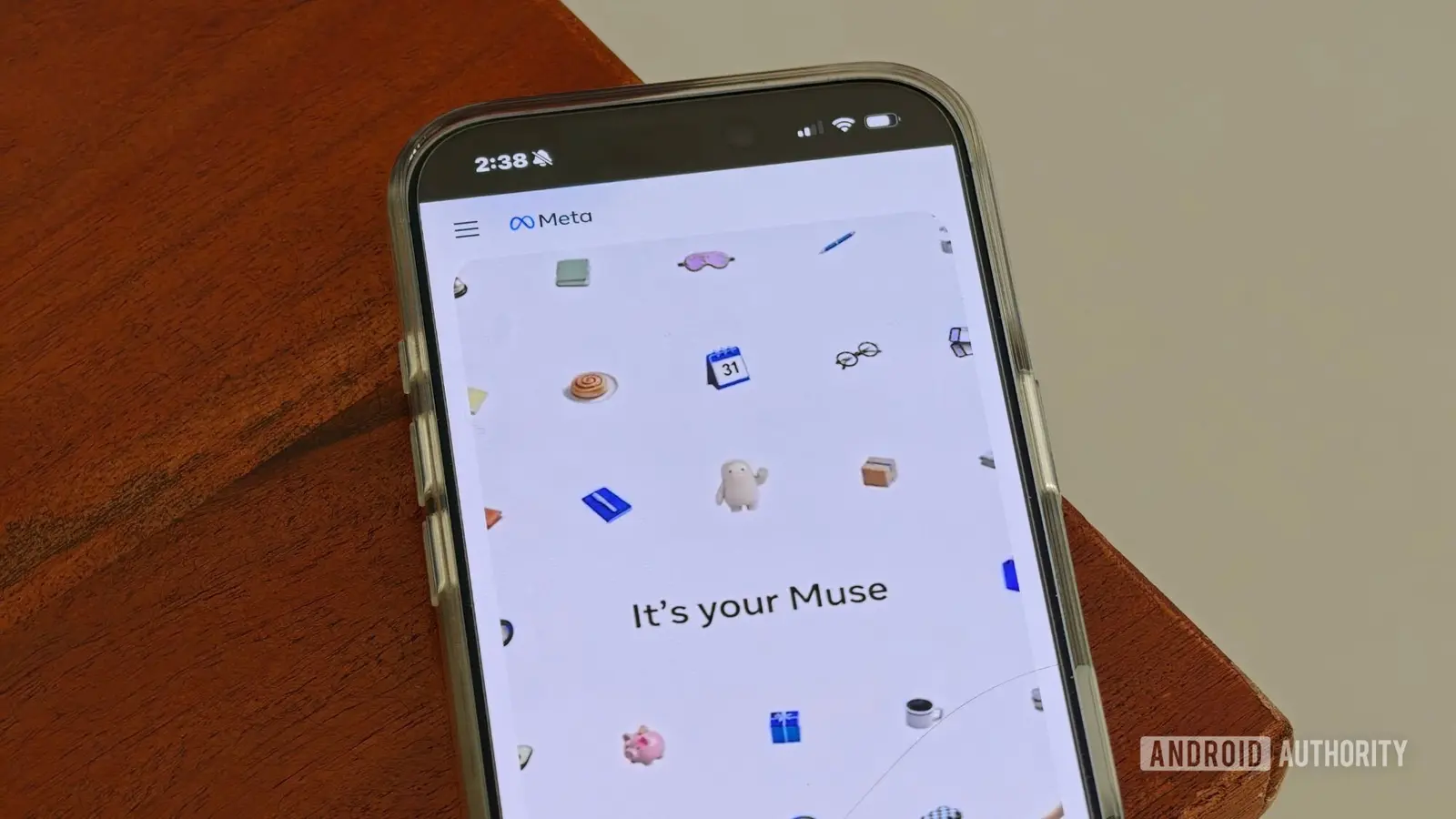 Why Meta's New AI Tool Fails to Win Over Daily Users
 Assessing Risks in Open-Source Artificial Intelligence
 Autonomous AI Agents Launch Cyberattacks Against North American Government Portals
 Warlock Group Targets SharePoint Servers in Critical Infrastructure
The core issue facing modern voice interfaces is the delay between user input and system output. When an agent must perform actual work, such as retrieving data or executing code, this lag becomes noticeable. Users perceive the silence as a failure of intelligence. OpenAI’s approach solves this by decoupling the voice layer from the Their new model does not attempt deep internal thought processes before speaking. Instead, it generates audio responses almost instantly. This design choice ensures the conversation flows naturally without awkward pauses that break user immersion.
OpenAI’s strategy relies on a fundamental shift in how voice models are architected. Traditional large language models often pause to process complex logic before generating text. In a voice context, this creates a gap where the user waits for the machine to think. By removing this step, GPT-Live-1 allows for continuous dialogue. The system can begin speaking while background processes handle the heavy lifting. This separation of concerns means the voice component remains lightweight and fast. Developers can now build applications where the assistant feels present and reactive. The trade-off is that the initial response may lack the nuance of a fully reasoned answer. However, for most conversational needs, immediate feedback is more valuable than perfect accuracy delivered late.
Does Instant Response Sacrifice Intelligence?
Google’s response demonstrates a different philosophy. Their Gemini 3.8 Live Extended Thinking model attempts to bridge both worlds. It offers a standard live mode for speed but includes an option for deeper processing. This dual approach gives developers flexibility based on their specific use cases. If a task requires simple chit-chat, the fast mode handles it. If the query involves complex planning or multi-step This granularity allows for a more tailored user experience. Both companies released these tools through their respective developer platforms, making them accessible to a wide range of programmers.
Critics argue that prioritizing speed might limit the cognitive depth of voice agents. If a model cannot pause to consider multiple possibilities, it may choose the most probable path rather than the best one. This could lead to errors in high-stakes scenarios like medical advice or financial planning. However, proponents suggest that human conversation also relies on quick, intuitive responses. We rarely wait for a friend to finish a long internal monologue before answering a question. The goal is to mimic this natural rhythm. As hardware improves and models become more efficient, the need for explicit thinkingtime may diminish. The technology is moving toward a state where The competitive dynamic between these two releases signals a maturing market. Voice AI is no longer just about recognizing words; it is about managing the timing of interaction.
Frequently Asked Questions
Future developments will likely focus on hybrid models that adapt their thinking depth based on the complexity of the prompt. Users can expect smoother, more engaging conversations across various devices. The era of waiting for a digital assistant to catch up is ending.
How does GPT-Live-1 reduce latency compared to previous models? It separates the voice generation from the This allows the system to speak immediately while handling complex tasks in the background, eliminating the pause associated with deep thinking.
What is the main difference between Google’s two new releases? Gemini 3.8 Live focuses on speed and immediate response, while the Extended Thinking version offers a mode for deeper, slower processing. Developers can choose which mode suits their application’s needs.
Comments
Leave a comment