
Real-Time The models' ability to reason and translate in real-time allows for
OpenAI has released a new generation of voice models in its API on May 7, 2026, capable of real-time These models process human speech as it is spoken. The update marks a significant advancement in voice intelligence.
Latest news
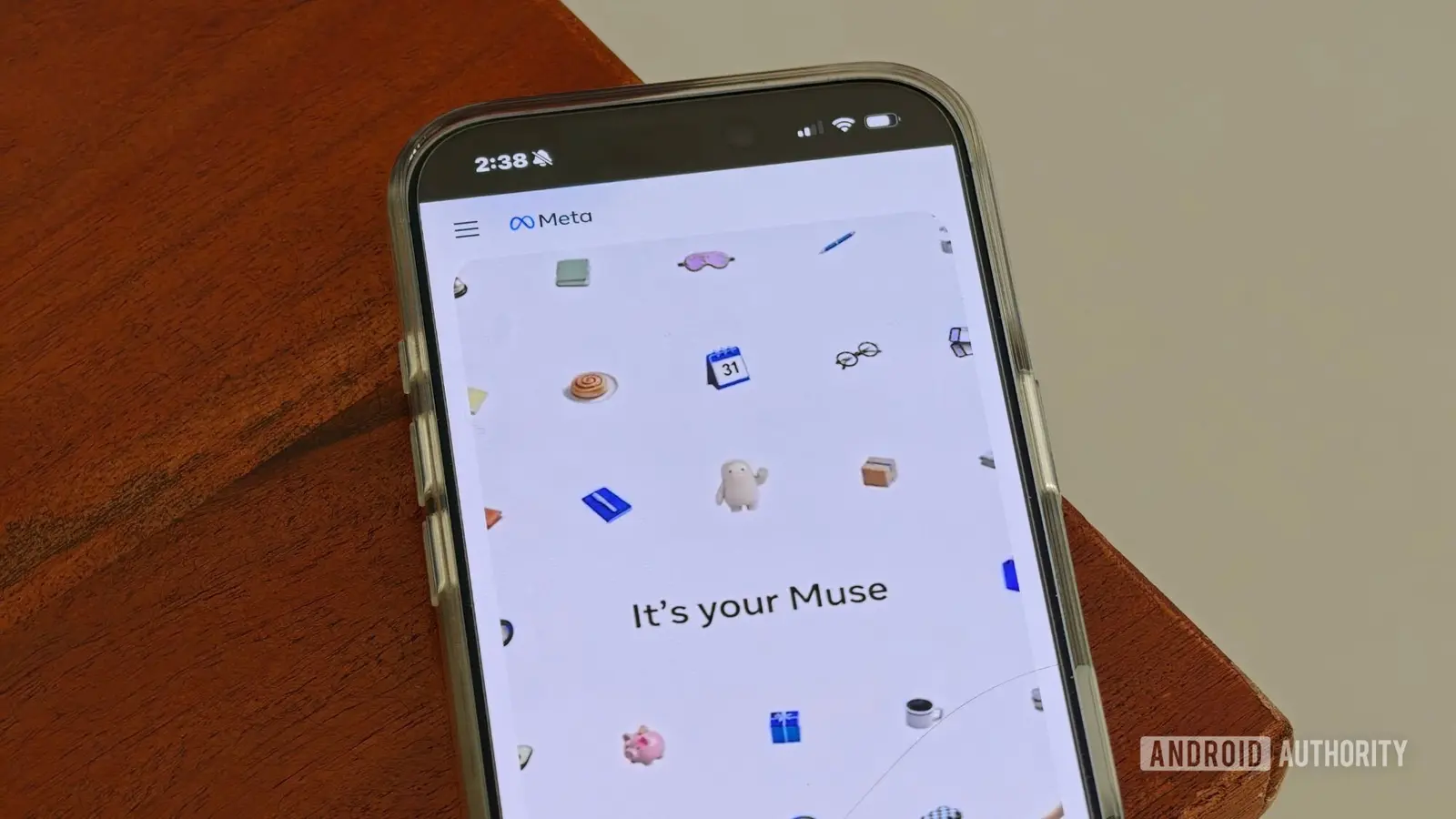 Why Meta's New AI Tool Fails to Win Over Daily Users
 Assessing Risks in Open-Source Artificial Intelligence
 Autonomous AI Agents Launch Cyberattacks Against North American Government Portals
 Warlock Group Targets SharePoint Servers in Critical Infrastructure
The new models can understand and respond to spoken language in real-time, enabling applications such as live translation and transcription. This technology has the potential to break language barriers and improve communication across linguistic and geographical divides.
For instance, a person speaking in one language can be understood by someone speaking another, with the model providing a simultaneous translation.
Can Voice Models Replace Human Translators?
While the new models are highly advanced, they are not intended to replace human translators entirely. Instead, they will augment human capabilities, enabling more efficient and accurate communication.
The introduction of these models is expected to have far-reaching consequences, transforming industries such as customer service, language learning, and international communication. As the technology continues to evolve, we can expect to see even more innovative applications.
Frequently Asked Questions
What are the primary applications of the new voice models? The models are suited for real-time translation, transcription, and other speech-processing tasks. They can be integrated into various applications, including customer service platforms and language learning tools.
How accurate are the new voice models? The models have been trained on vast amounts of data, resulting in high accuracy rates for transcription and translation tasks. However, accuracy may vary depending on the specific application and context.
What are the potential limitations of the new voice models? While highly advanced, the models may struggle with nuances of human language, such as idioms and colloquialisms, and may require ongoing training to maintain accuracy.
Comments
Leave a comment