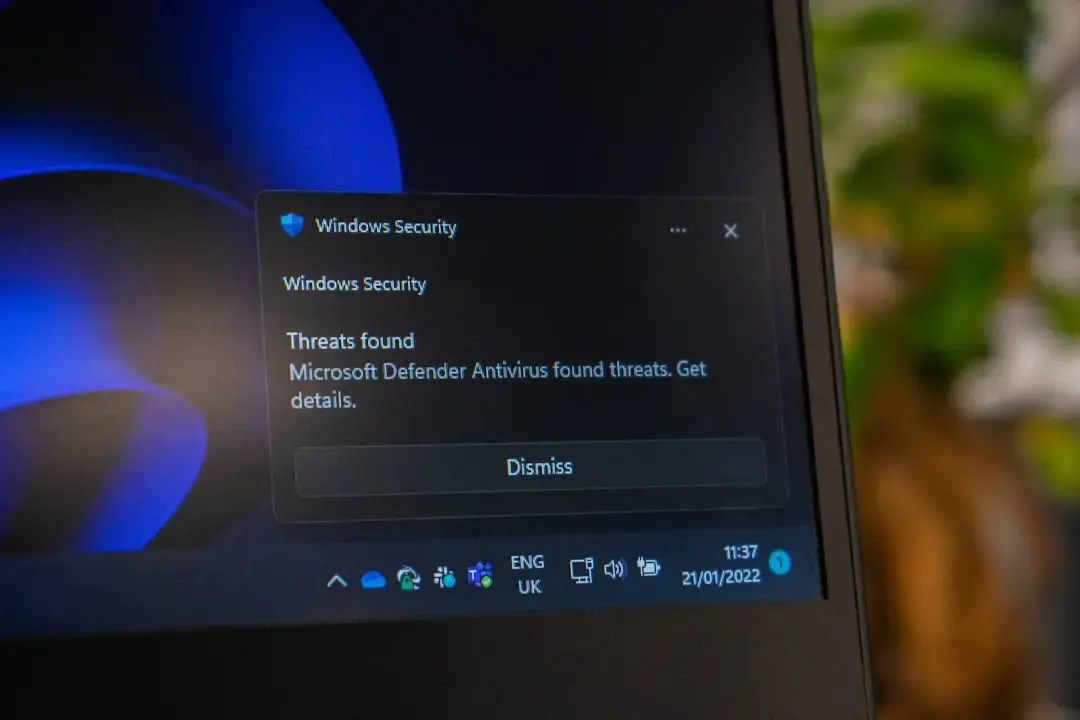
False Positives Disrupt Daily Email Workflows
Microsoft has begun investigating a significant glitch within its Defender for Office 365 suite. The security software is incorrectly identifying standard Google search links as malicious threats. This error affects users across various regions who rely on daily email communications. The issue was officially tracked under incident ID MO1465962. Company representatives confirmed the problem early in the morning of September 2, 2026. The malfunction causes valid links to be blocked or flagged for review. This disruption impacts business workflows significantly during peak hours.
Latest news
 Anker Unveils Playful 45W Charger With Animated Face Display
 Google Docs Web Version Still Missing Native Dark Mode
 Anthropic-Linked Vulnerability Exploited From China, Targets US and Japan
 Text‑Based AI Agents: Your New Digital Assistants
The core problem lies in how the threat detection engine processes URL patterns. Legitimate search queries are being misinterpreted as potential phishing attempts. This false positive rate has spiked unexpectedly without any prior warning to administrators. Users report that clicking these links triggers immediate alerts or redirects to quarantine pages. The software fails to distinguish between safe search parameters and suspicious tracking codes. Consequently, important emails containing simple links are often held back from inboxes. This creates confusion for employees trying to access quick information via search engines.
The incident highlights a vulnerability in automated security filtering systems. When the algorithm flags a link, it pauses delivery until manual verification occurs. This delay can take several minutes or even hours depending on queue volume. IT teams are receiving increased ticket volumes regarding missing messages. Many organizations rely heavily on Google search results for quick reference materials. The blockage prevents instant access to these resources during meetings or urgent tasks. Administrators must now manually override the settings to release trapped emails. This manual process consumes valuable technical support time. The lack of automatic recovery mechanisms exacerbates the frustration among end-users.
How Does This Affect Enterprise Security Trust?
This event raises questions about the reliability of AI-driven threat detection. Overly aggressive filtering can lead to user fatigue and bypass behaviors. If staff see too many false alarms, they may start ignoring real warnings. This behavioral shift poses a long-term risk to overall digital hygiene. Microsoft aims to resolve the logic error through a rapid patch deployment. The update will refine the pattern matching rules for common search domains. Until then, enterprises should monitor their gateways closely for stuck messages. Clear communication from IT departments helps reduce panic among non-technical staff. Transparency about the specific nature of the bug builds confidence in the vendor’s response.
The resolution is expected to restore normal link handling within the next few days. Once the patch is live, historical false positives will be cleared automatically. No data loss has been reported from this specific incident. However, the temporary friction underscores the balance between security and usability. Future updates will likely include stricter validation checks for popular web services. Users should continue to verify unexpected blocks while the system stabilizes. The incident serves as a reminder that automated tools require constant tuning.
Frequently Asked Questions
Why are Google links being flagged? The security engine is misreading standard search parameters as malicious code. This causes valid URLs to trigger threat alerts incorrectly.
How do I fix blocked emails? IT administrators can manually release messages from the quarantine folder. Users should wait for the official software patch to resolve the issue permanently.
Is my data at risk? No data loss has occurred due to this specific glitch. The primary impact is delayed message delivery and increased manual review work.
Comments
Leave a comment