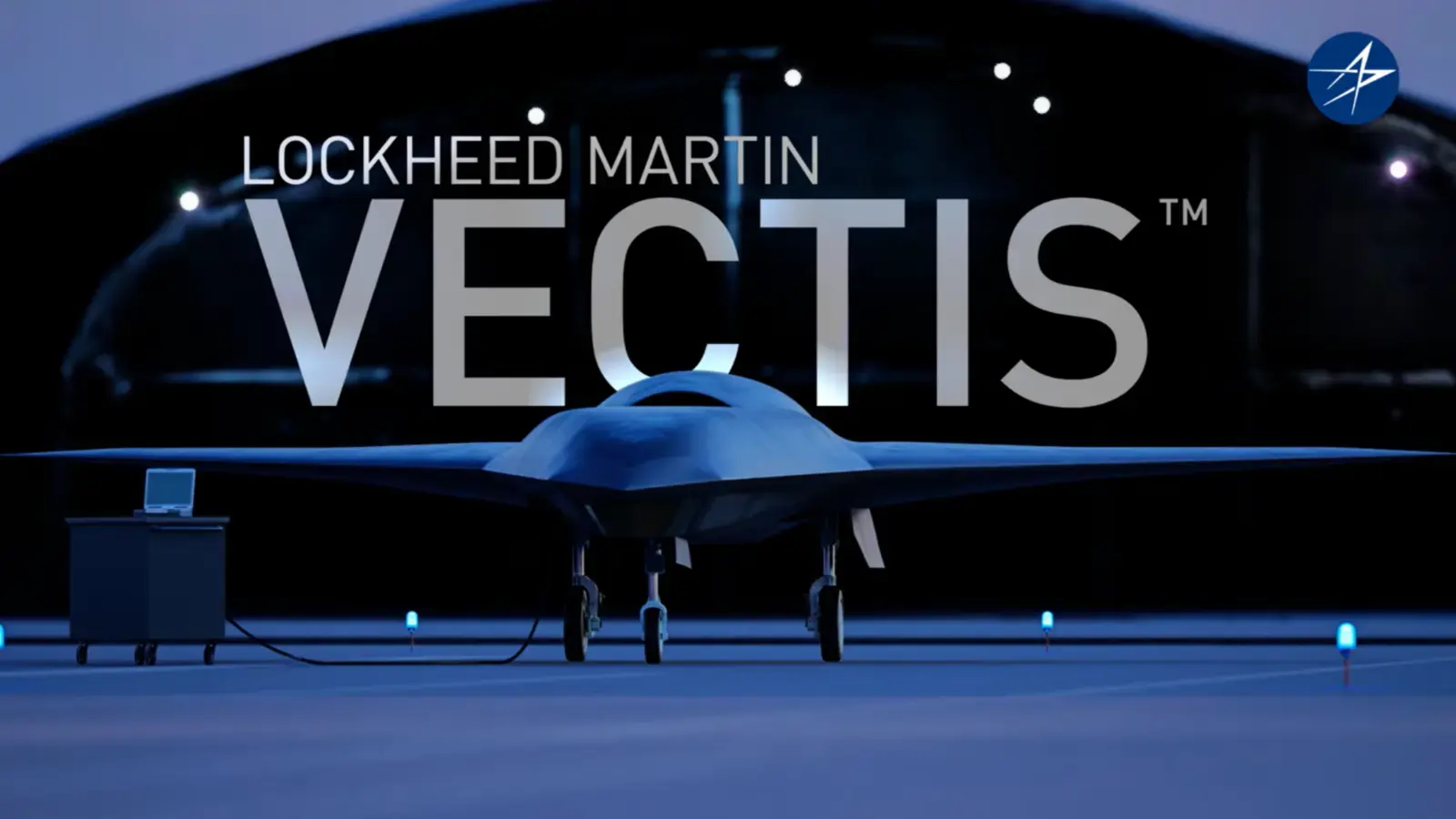
Hidden Bays and Strategic Flexibility
Lockheed Martin has officially confirmed that its new Vectis stealth combat drone family will enter service before 2028. The company emphasizes that the aircraft is engineered specifically for affordability. This move follows a competitive loss in the earlier Increment 1 phase. Lockheed secured the contract for Increment 2 after rivals Anduril and General Atomics won the initial round. The new system represents a significant shift in unmanned aerial warfare capabilities. It aims to blend advanced autonomy with cost-effective manufacturing processes.
Latest news
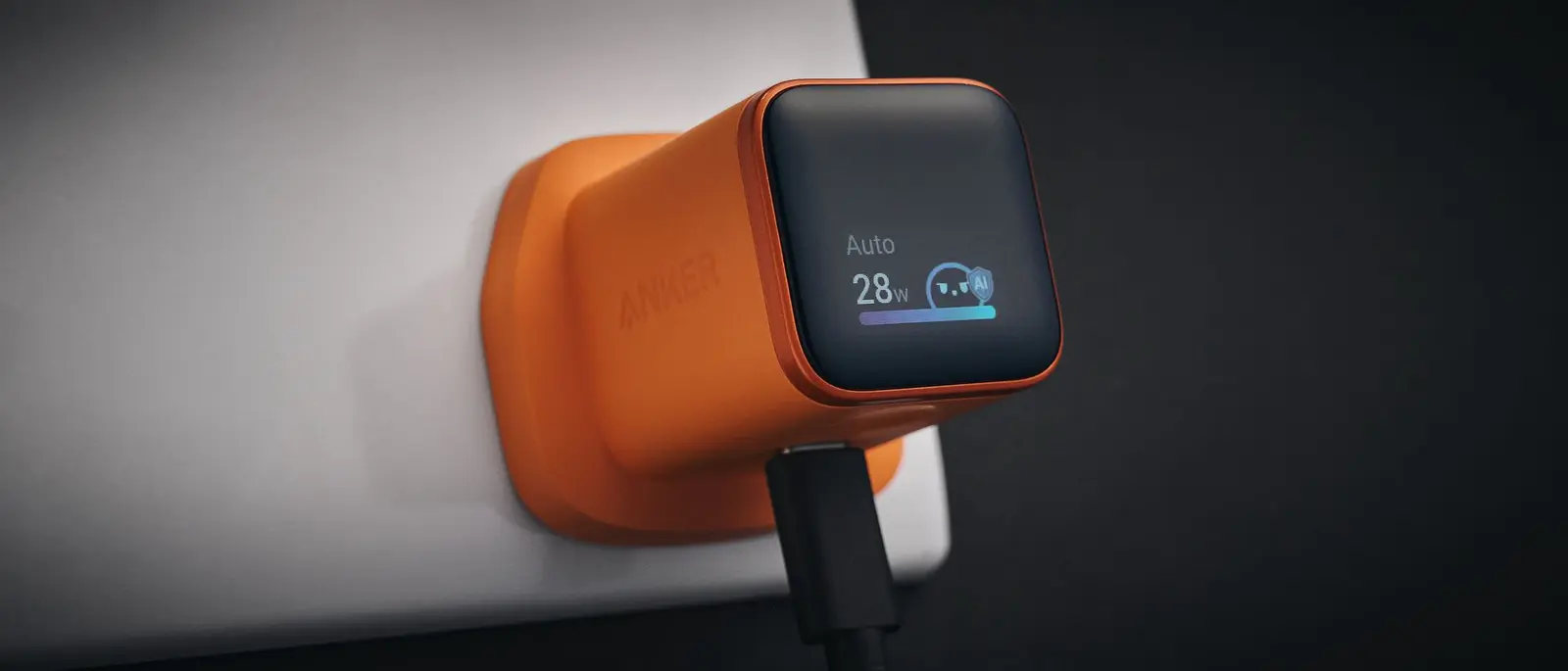 Anker Unveils Playful 45W Charger With Animated Face Display
 Google Docs Web Version Still Missing Native Dark Mode
 Anthropic-Linked Vulnerability Exploited From China, Targets US and Japan
 Text‑Based AI Agents: Your New Digital Assistants
The Vectis platform integrates several critical technologies into a single airframe. It features internal weapons storage, which preserves the aircraft’s stealth profile during missions. Autonomous operation capabilities allow it to function with reduced human intervention. These design choices address modern battlefield demands for survivability and efficiency. The company highlights that the drone family is built to handle complex combat scenarios. This approach ensures the aircraft remains effective against advanced air defense systems.
Why Affordability Drives the Design
Promotional materials reveal two concealed missile bays within the fuselage. These internal compartments keep weapons out of sight until the moment of release. This design minimizes radar cross-section, a key factor in evading detection. The ability to carry armament internally extends the drone’s operational range. It also allows for more flexible mission planning without external pods. Lockheed states that this configuration supports various payload types. The flexibility ensures the drone can adapt to different tactical requirements on the ground.
Cost efficiency remains the central pillar of the Vectis program. Lockheed argues that high production costs often limit fleet size. By engineering for affordability, the company aims to produce larger numbers of units. This strategy supports a distributed air power model. More drones can be deployed across wider areas simultaneously. The focus on cost does not compromise performance or stealth characteristics. Instead, it streamlines the manufacturing process for rapid deployment. This balance between price and capability defines the next generation of unmanned fighters.
When will the Vectis drone be available? Lockheed Martin projects the Vectis family will be ready before 2028. This timeline aligns with the current Increment 2 contract milestones.
Frequently Asked Questions
How does the Vectis maintain stealth? The aircraft uses internal weapons bays to hide missiles. This prevents external pods from disrupting the smooth aerodynamic shape needed for low observability.
Who are the main competitors for this technology? Anduril and General Atomics were primary rivals in the previous increment. They won the earlier phase, setting the stage for this new competition.
Comments
Leave a comment