
Inside the Steam Frame Hardware Strategy
Valve officially launched the Steam Frame this week, introducing a versatile virtual reality headset that functions as both a standalone device and a traditional PC VR system. The hardware release anchors a busy week of technology coverage, addressing major industry shifts in artificial intelligence and memory manufacturing.
Latest news
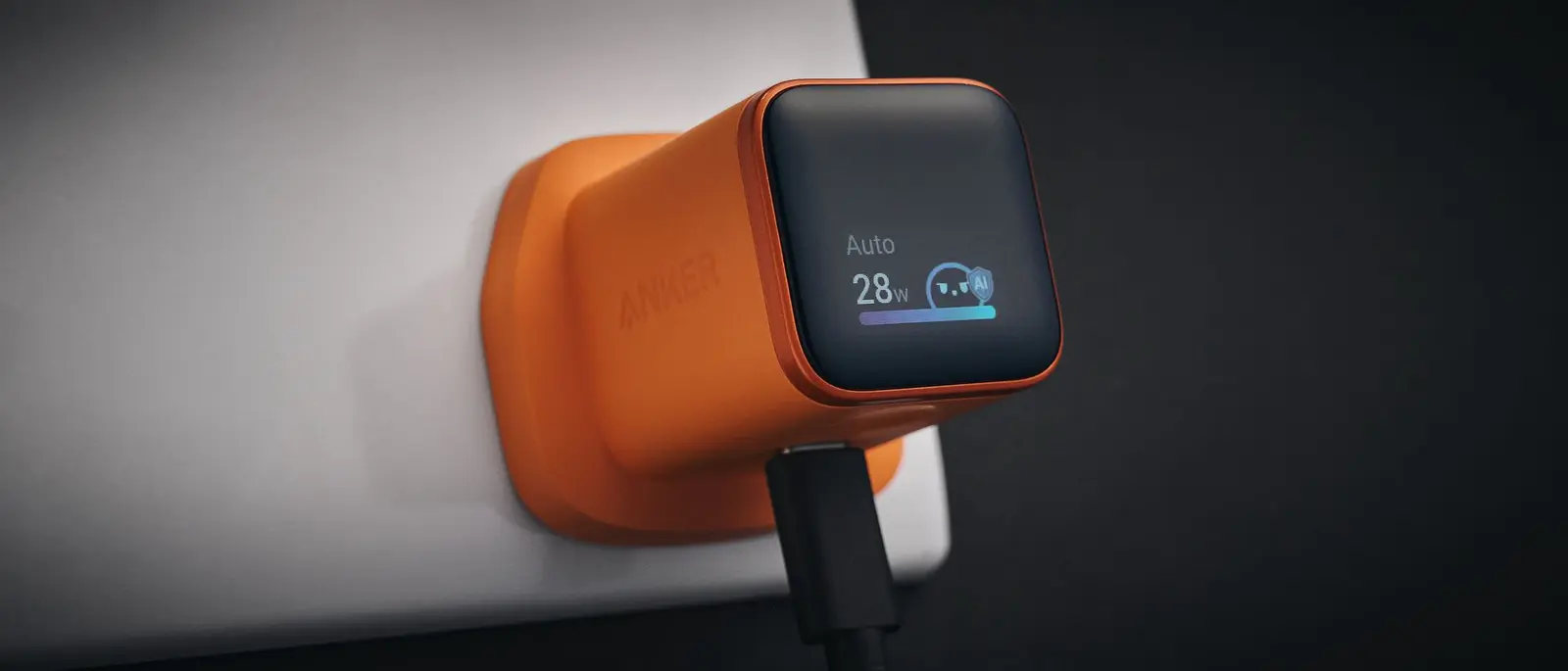 Anker Unveils Playful 45W Charger With Animated Face Display
 Google Docs Web Version Still Missing Native Dark Mode
 Anthropic-Linked Vulnerability Exploited From China, Targets US and Japan
 Text‑Based AI Agents: Your New Digital Assistants
The new headset bridges the gap between untethered mobile gaming and high-performance desktop virtual reality. Valve designed the hardware to adapt seamlessly to user preferences, eliminating the historical divide between dedicated standalone ecosystems and cable-bound PC setups.
Industry analysts note that dual-function headsets represent the next logical step for virtual reality adoption. Users no longer need to compromise between portability and graphical fidelity.
How Will the DRAM Crisis Affect Builders?
The launch coincides with a volatile period for computer hardware markets. Manufacturers continue to navigate severe component shortages and shifting consumer demands.
Memory pricing volatility threatens to disrupt hardware upgrades as supply chain pressures mount. Experts warn that escalating costs could stall broader adoption of next-generation gaming rigs and professional workstations.
Frequently Asked Questions
Artificial intelligence models are simultaneously transforming software capabilities across consumer and enterprise sectors. These advanced systems demand unprecedented computational power, further straining global semiconductor manufacturing capacity.
What makes the Steam Frame unique? The headset operates as both a standalone device and a traditional PC VR system, offering users maximum flexibility.
Why are memory prices currently unstable? The global market faces a severe DRAM crisis driven by supply chain constraints and surging demand for high-end computing components.
Comments
Leave a comment