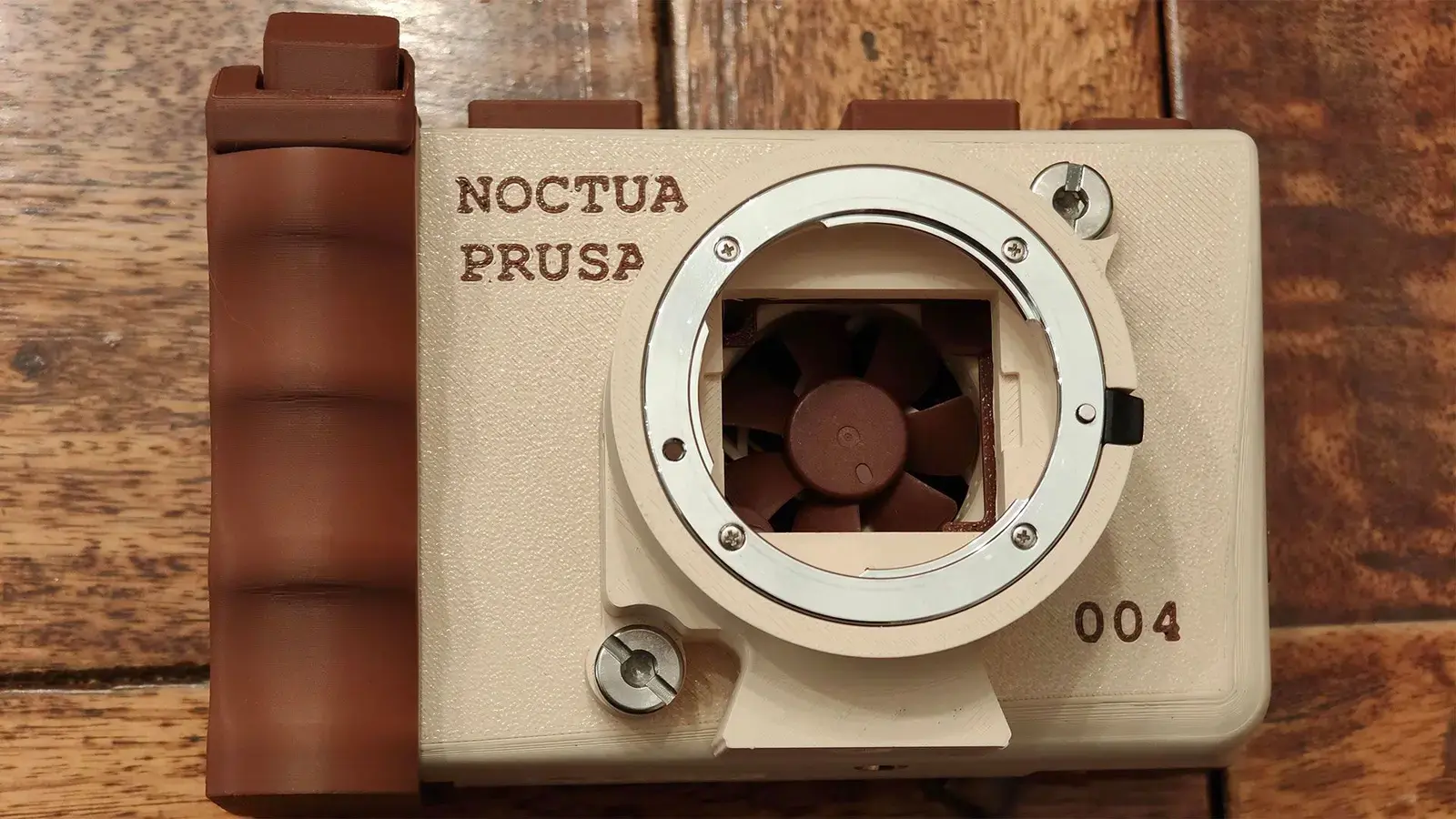
Heavy Cryptography Drives Up Temperatures
A specialized 4K camera designed to verify authenticity now relies on high-end desktop cooling technology to prevent hardware meltdowns during heavy cryptographic recording sessions.
Latest news
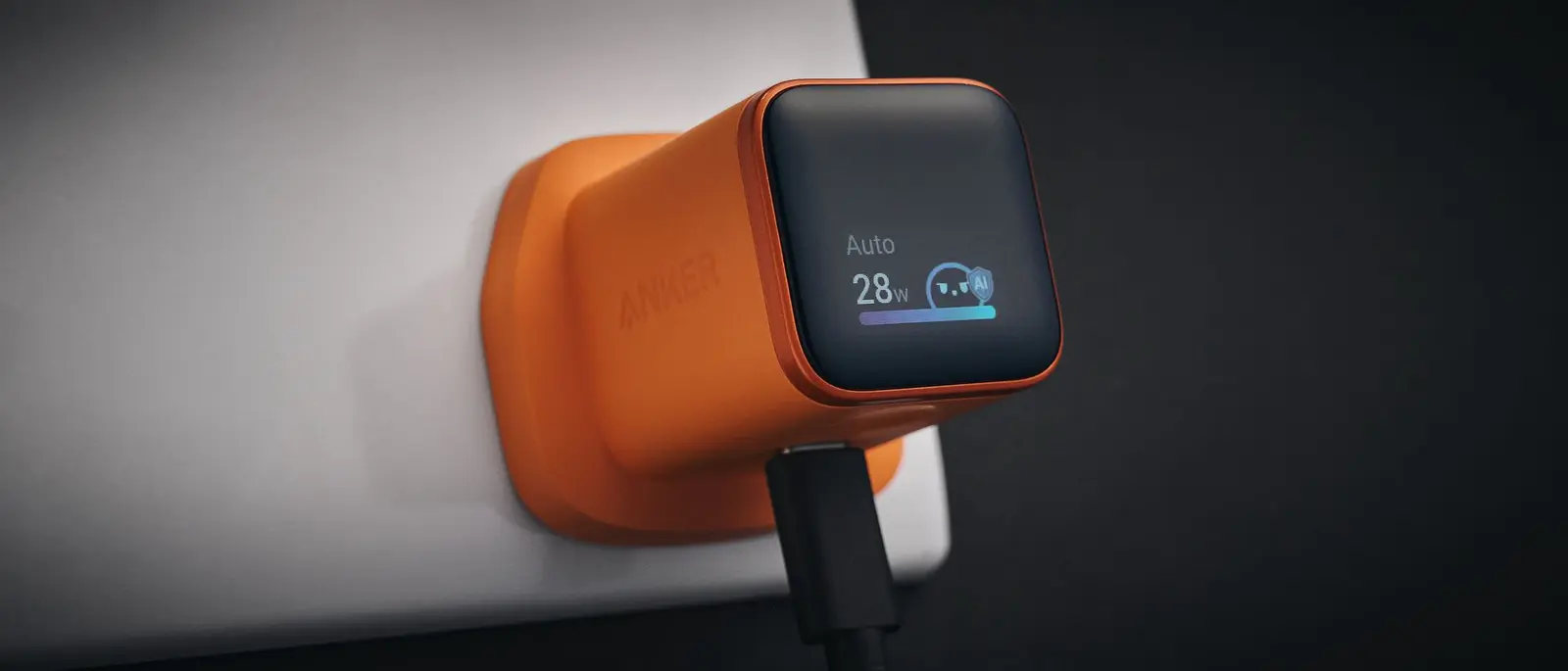 Anker Unveils Playful 45W Charger With Animated Face Display
 Google Docs Web Version Still Missing Native Dark Mode
 Anthropic-Linked Vulnerability Exploited From China, Targets US and Japan
 Text‑Based AI Agents: Your New Digital Assistants
The device, known as the CAIM1, generates intense heat while processing mathematical proofs to verify that captured footage is genuine. To combat this thermal strain, the manufacturer integrated a premium cooling fan from Noctua, a brand typically associated with custom desktop computer builds.
Recording high-resolution video while simultaneously executing complex cryptographic algorithms demands immense processing power. This continuous workload pushes the camera's internal processor to its thermal limits, risking severe performance throttling if heat dissipation fails.
Why Does Reality Verification Need So Much Power?
By incorporating a reliable PC cooling fan, the hardware maintains optimal operating temperatures during extended recording intervals. This ensures that the cryptographic verification process remains uninterrupted and the camera functions without lag.
The CAIM1 operates by embedding cryptographic signatures directly into the video stream at the moment of capture. This method creates an immutable digital chain of custody, proving the footage has not been altered by artificial intelligence tools.
Frequently Asked Questions
Maintaining this level of cryptographic security requires constant, heavy computation inside the camera body. Without active cooling from a robust desktop-grade fan, the processor would quickly overheat and throttle performance in the field.
What is the main purpose of the CAIM1 camera? The device is designed to capture 4K video while generating cryptographic proofs to verify that the footage is authentic and untouched by AI.
Why does the camera require a desktop computer fan? The heavy cryptographic calculations performed during recording generate extreme heat, requiring a robust cooling solution to prevent processor throttling.
Comments
Leave a comment