
How Does Steam Frame Handle Input Lag?
Sean Hollister, a familiar voice in gaming journalism, recently spent three days testing Valve’s new Steam Frame device, sharing his hands-on experience with readers. The hardware, designed to stream PC games to televisions with minimal latency, arrived without fanfare but quickly became a focal point for discussion among enthusiasts. Hollister’s evaluation covered setup, performance, and real-world usability across multiple titles and network conditions.
Latest news
 Why the Rumored iPhone Duo Excites Android Foldable Fans
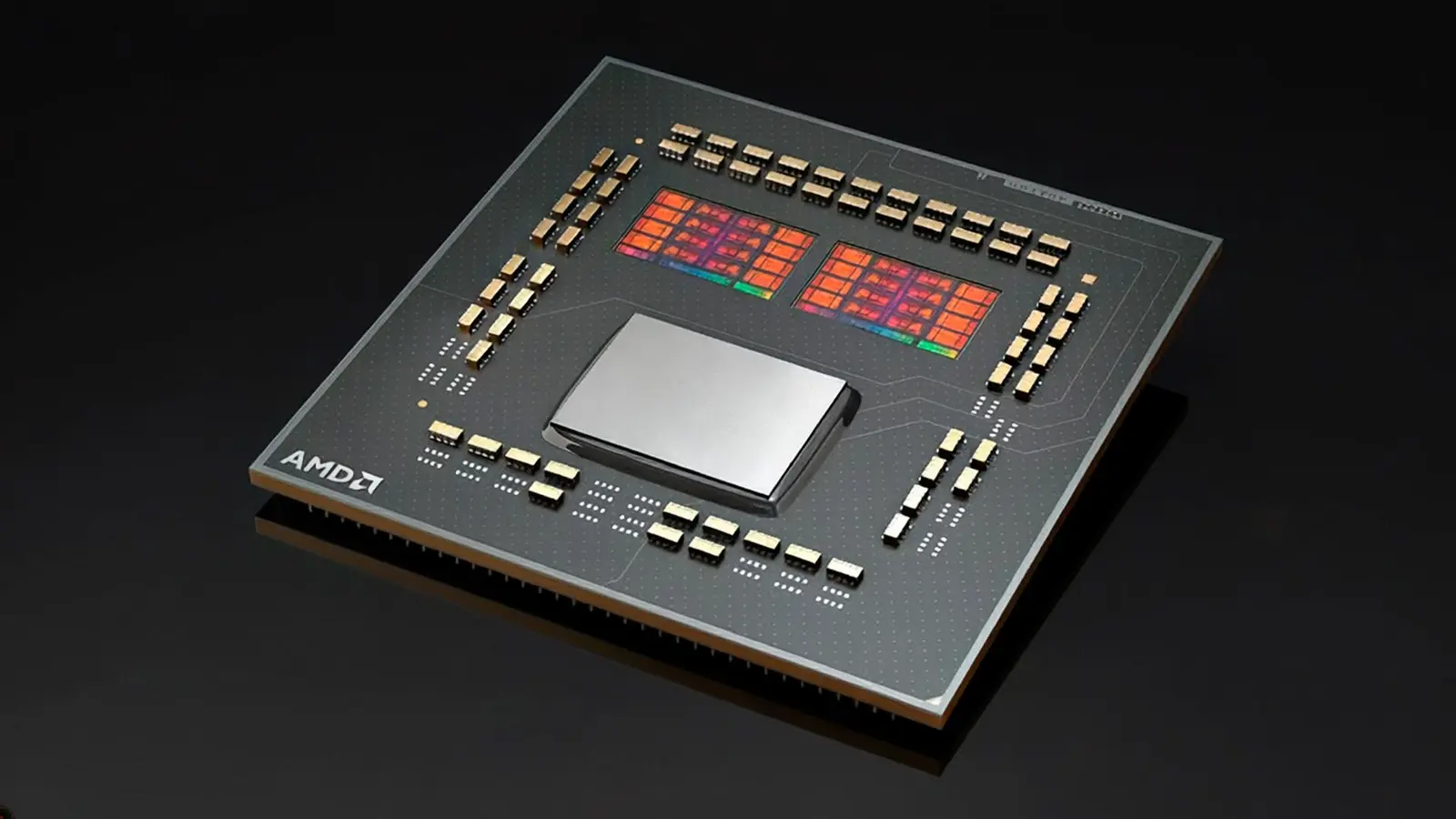 AMD's Canceled Ryzen 9 5900X3D Leaks Online
 California Subpoenas OpenAI Over Autonomous AI Hacking Risks
 Nvidia-Backed UK Supercomputer Faces Multi-Year Power Delay
The Steam Frame functions as a compact receiver that connects to a TV via HDMI and pairs with a Steam Link app on a host PC. Hollister noted the initial configuration required careful attention to network settings, recommending a wired Ethernet connection for optimal results. During testing, he played fast-paced shooters and open-world adventures, observing consistent frame delivery when both devices were on the same local network. He highlighted the device’s silent operation and low power draw as unexpected positives, especially compared to older streaming solutions.
What Limitations Did You Encounter?
Input responsiveness emerged as a critical factor in Hollister’s assessment. Using a high-speed camera to measure delay between controller input and on-screen action, he recorded averages under 20 milliseconds in ideal conditions—competitive with dedicated gaming monitors. However, Wi-Fi variability introduced noticeable spikes, particularly during peak household usage. He emphasized that while the technology works impressively well under controlled circumstances, real-world performance depends heavily on home network infrastructure.
Despite its promise, Hollister identified several constraints. The Steam Frame lacks built-in storage, meaning it cannot run games independently and relies entirely on a powered-on host PC. He also noted occasional audio dropouts during extended sessions, which resolved after rebooting the device but disrupted immersion. Compatibility with non-Steam games proved limited, requiring workarounds that diminished the seamless experience Valve aims to deliver. These trade-offs, he argued, position the Steam Frame as a niche tool rather than a universal replacement for consoles or gaming laptops.
Is the Steam Frame worth buying if I already own a Steam Link? Yes, if you prioritize lower latency and a dedicated hardware solution. The Steam Frame offers improved responsiveness over the software-based Steam Link app, especially on older TVs or less powerful host machines, though the core functionality remains similar.
Frequently Asked Questions
Can I use Steam Frame outside my home network? No, the device currently only supports local network streaming. Valve has not announced plans for remote play functionality through the Steam Frame, focusing instead on in-home performance and stability.
Does Steam Frame support 4K or HDR gaming? It supports up to 4K resolution at 60 Hz with HDR10, but actual output depends on the host PC’s capabilities and network bandwidth. Hollister confirmed successful 4K HDR testing with demanding titles when using a gigabit Ethernet connection.
Comments
Leave a comment