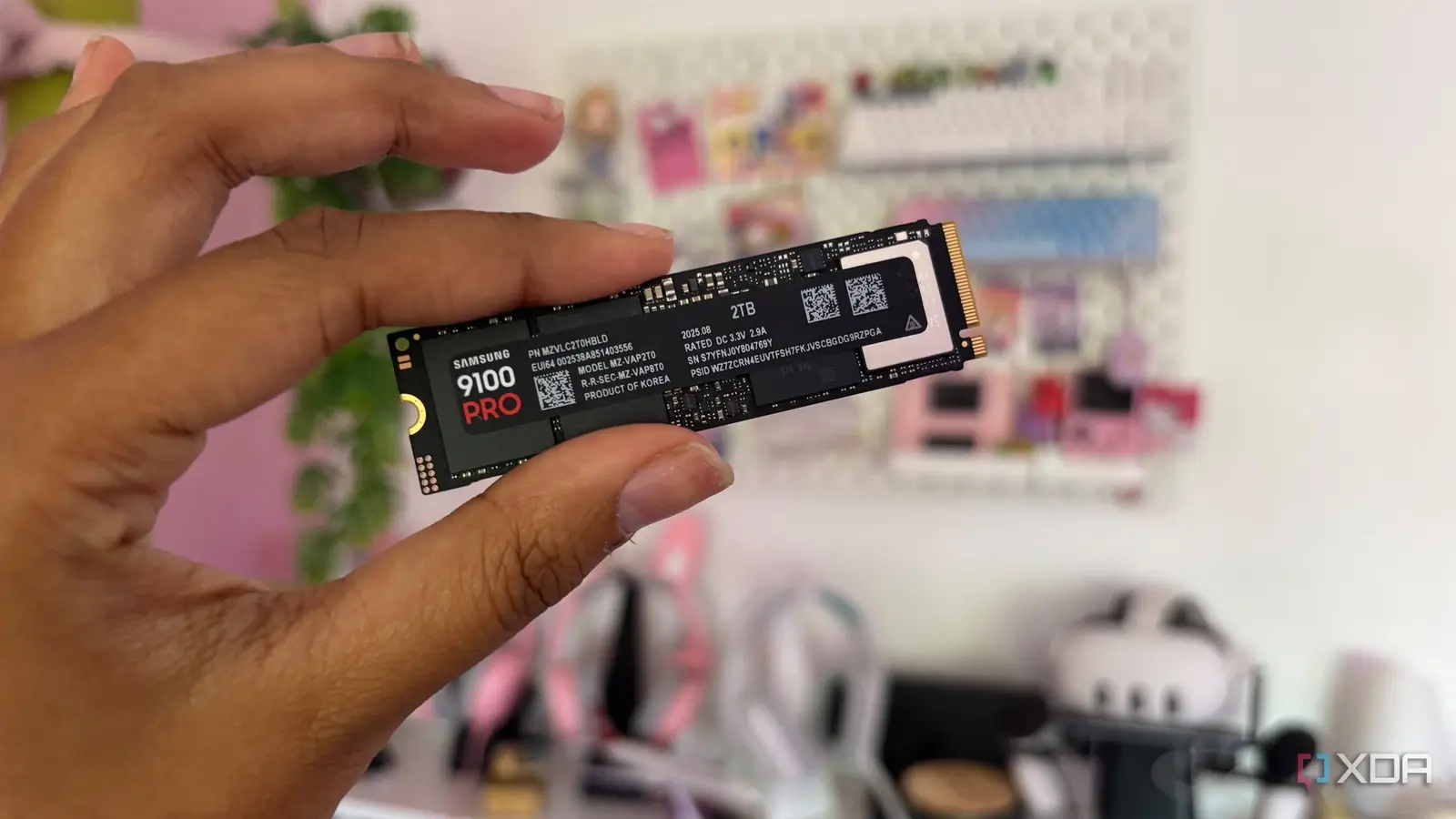
How Old Hardware Can Still Deliver Value
Jasmine Mannan recently rediscovered an old solid-state drive tucked away in a drawer and decided to test its performance in her home lab environment. What began as a simple experiment quickly turned into one of the most effective storage upgrades she’s implemented all year, proving that meaningful improvements don’t always require new purchases. The drive, though several years old, still delivered reliable speeds when repurposed for everyday tasks and light workloads.
Latest news
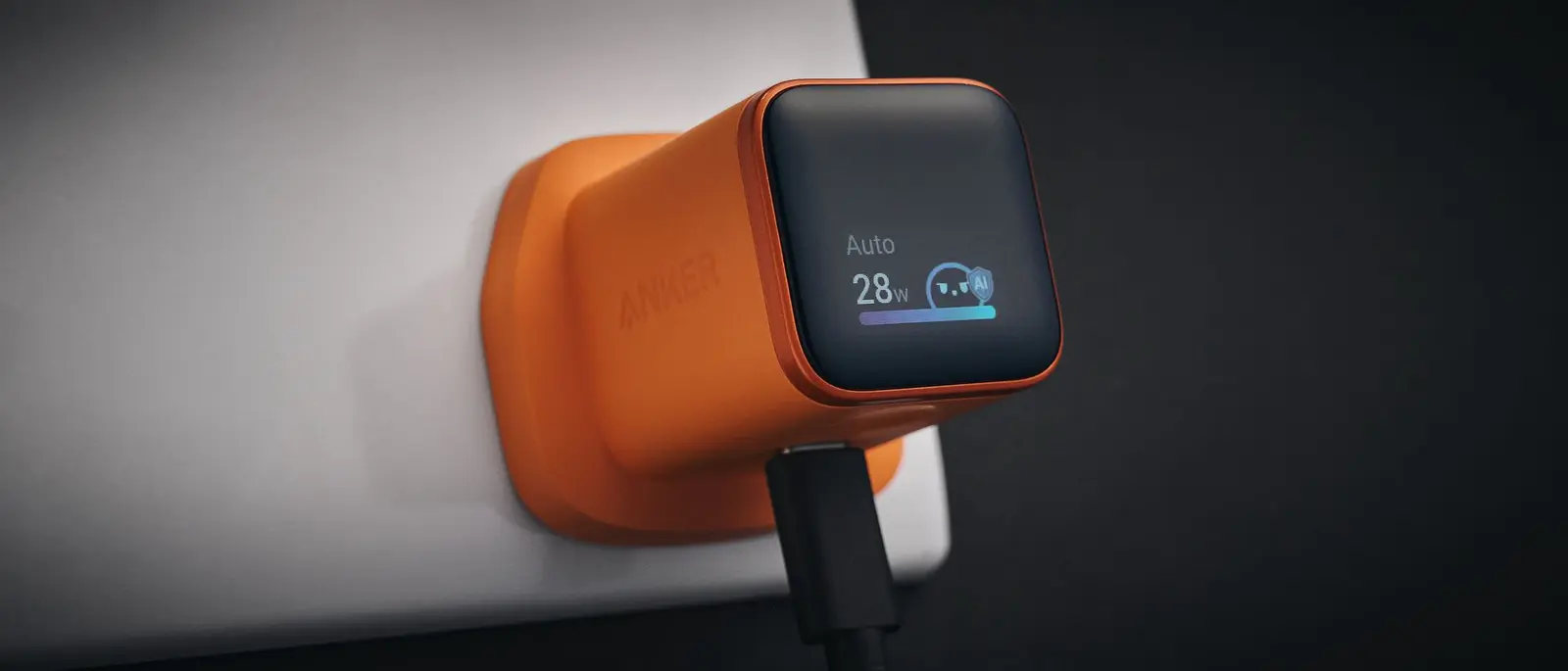 Anker Unveils Playful 45W Charger With Animated Face Display
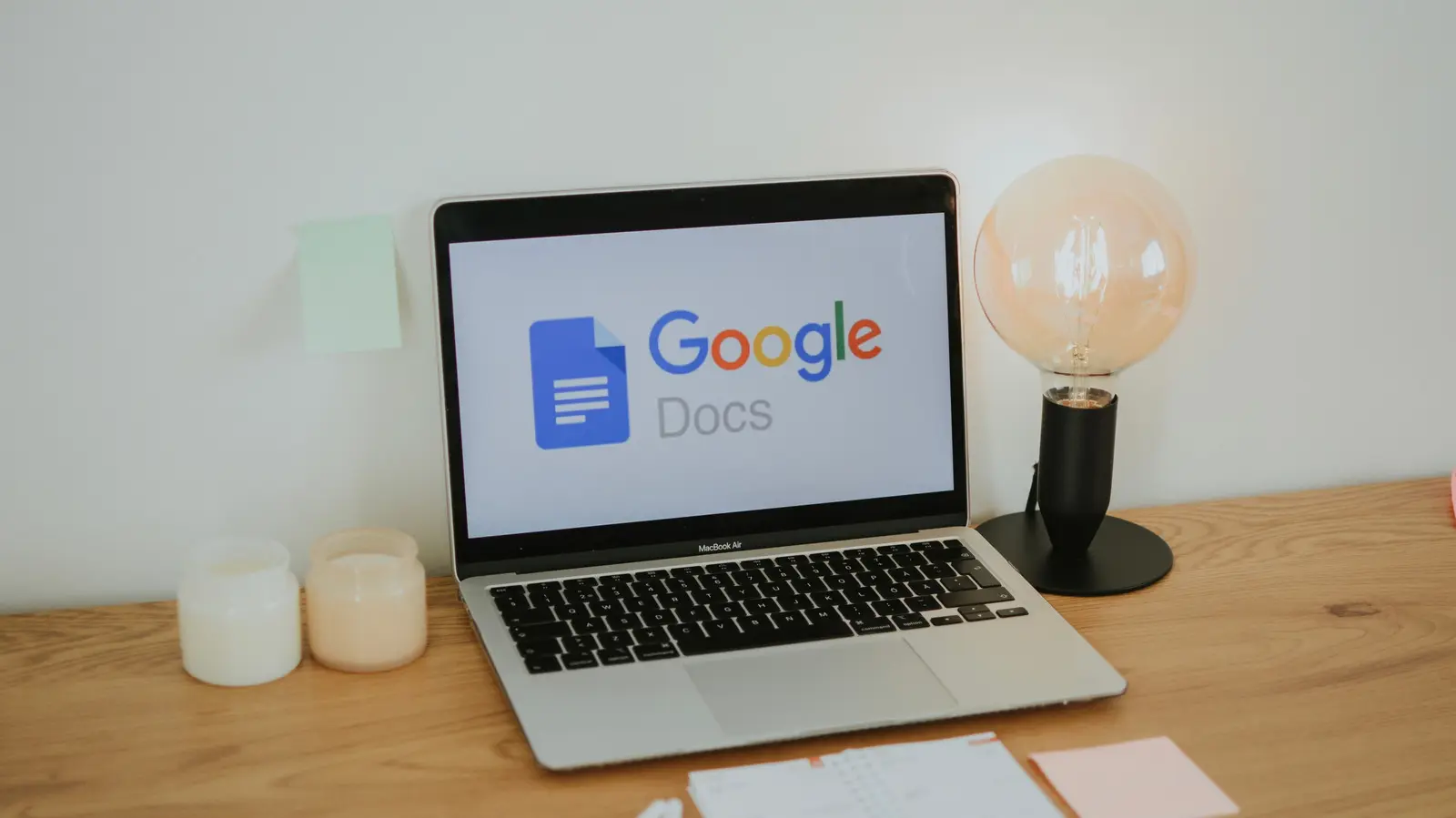 Google Docs Web Version Still Missing Native Dark Mode
 Anthropic-Linked Vulnerability Exploited From China, Targets US and Japan
 Text‑Based AI Agents: Your New Digital Assistants
The SSD in question was a SATA-based model from a previous laptop upgrade, originally replaced when faster NVMe options became affordable. After securely erasing the drive and connecting it via a USB-to-SATA adapter, Jasmine used it to store virtual machine images, ISO files, and project backups. Despite its age, the drive consistently achieved read speeds over 500 MB/s, sufficient for her needs without bottlenecks. She noted that the real benefit came not from raw speed but from freeing up space on her primary NVMe drive, allowing better organization and reduced clutter.
Could Your Forgotten Drive Be Worth a Second Look?
Rather than letting the SSD collect dust, Jasmine evaluated its health using diagnostic tools, confirming no bad sectors or significant wear. She emphasized that many users overlook the potential of older drives, especially when used for archival or secondary storage rather than primary boot applications. By assigning it a specific role—such as holding media libraries or development environments—she extended its useful life without compromising system performance. This approach also reduced electronic waste, aligning with sustainable tech practices she advocates in her reporting.
Many tech enthusiasts assume that storage older than three years is obsolete, but Jasmine’s experience challenges that assumption. She pointed out that while NVMe drives dominate high-performance scenarios, SATA SSDs remain more than adequate for secondary tasks. The key, she said, is matching the drive’s capabilities to the workload—using it for backups, snapshots, or non-latency-sensitive applications. Her home lab now runs more efficiently, with faster access to archived data and improved workflow separation.
Is it safe to use an old SSD for important data? Yes, as long as the drive passes health checks and shows no signs of failure, it can be reliable for backups or secondary storage. Regular monitoring is still recommended.
Frequently Asked Questions
How much performance should I expect from an older SATA SSD? Most SATA SSDs from the past five years still deliver 400–550 MB/s sequential speeds, which is sufficient for file storage, VMs, and media libraries.
Does repurposing old drives save money? Absolutely. Reusing existing hardware avoids unnecessary spending and reduces e-waste, making it both cost-effective and environmentally friendly.
Comments
Leave a comment