
Why Matter Solved the Cloud Dependency Problem
After years of frustrating delays with Tuya-powered devices, I switched my entire smart home to Matter over local Wi-Fi, eliminating cloud-dependent lag and restoring immediate response times for lights, locks, and sensors.
Latest news
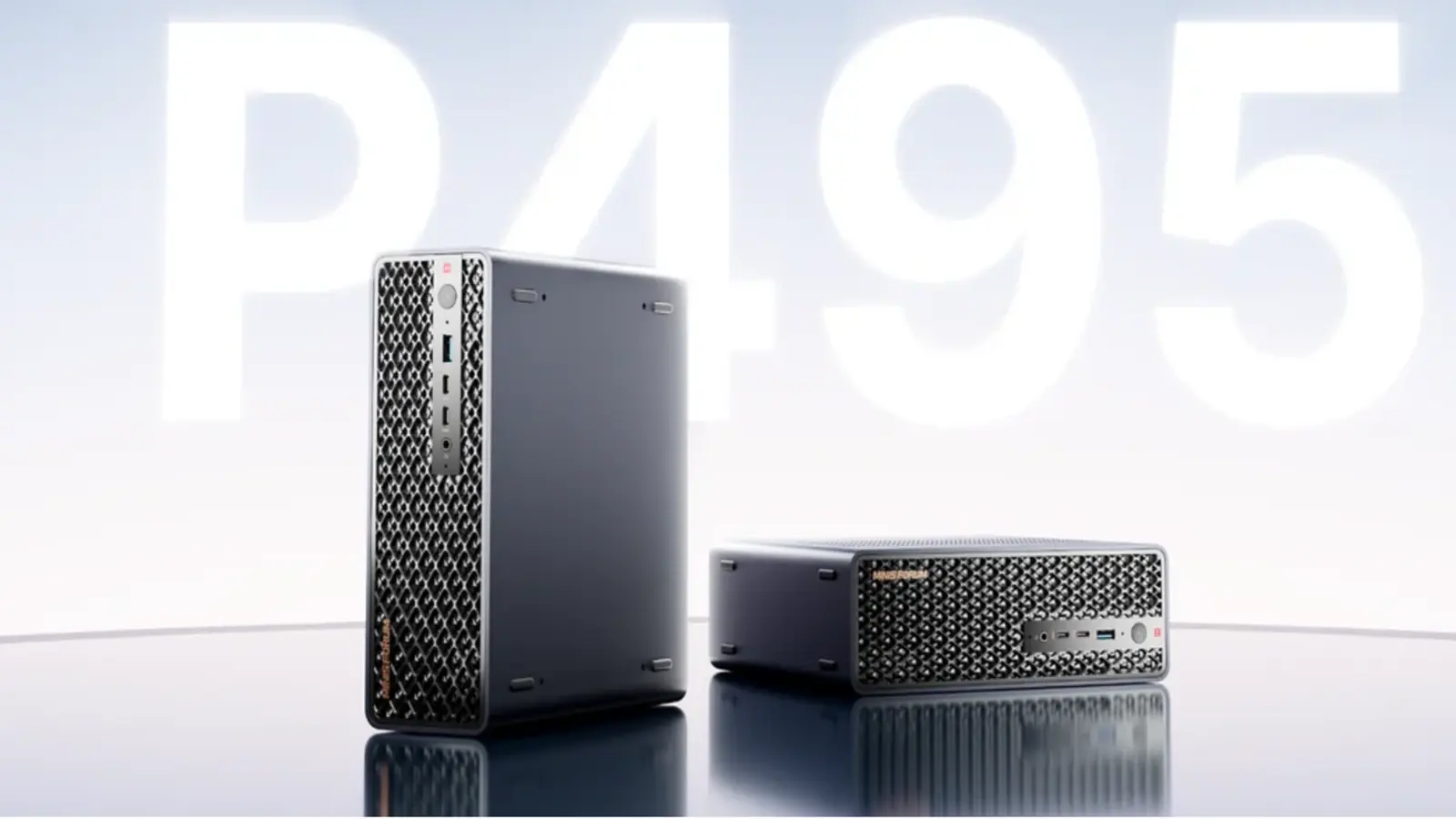 Minisforum Unveils High‑End Ryzen AI Max+ PRO 495 Workstation
 NASA Eyes Revival of SR‑71 Blackbird
 My Home Wi‑Fi Was Crowded by 14 Neighbors—A Free App Helped Me Find a Clear Channel
 YouTube is tightening rules for low-effort Shorts
The Tuya ecosystem had locked my devices into a constant round-trip to distant servers, causing noticeable delays—sometimes seconds—when turning on lights or checking door status. This reliance on cloud processing meant even simple automations felt sluggish, especially during network hiccups or server outages. Frustrated by the lack of control and responsiveness, I began researching alternatives that prioritized local communication without sacrificing compatibility.
How Local Control Changed Daily Routines
Matter operates over local networks using Thread or Wi-Fi, allowing devices to communicate directly with each other and hubs like Apple HomePod or Hubitat Elevation without routing through manufacturer clouds. By replacing Tuya-based bulbs, plugs, and sensors with Matter-certified equivalents from brands like Aqara and Eve, I removed the middleman entirely. Setup involved resetting each device and pairing them via QR code through my Home app, a process that took under an hour for twenty devices. The difference was immediate: lights now respond in under 200 milliseconds, and automations trigger reliably even when my internet is down.
With cloud latency gone, morning routines now flow smoothly—lights brighten as my alarm sounds, the coffee maker starts when motion is detected in the kitchen, and doors unlock as I approach, all without hesitation. Energy monitoring became more accurate too, as power usage data is processed locally and updated in real time. I no longer worry about Tuya server maintenance windows disrupting my home’s functionality. The shift also improved privacy, since device commands no longer leave my home network unless explicitly shared with cloud services like Alexa or Google Assistant for voice control.
What Happens When the Internet Goes Down?
During a recent ISP outage, my Matter devices continued to function perfectly—lights switched via motion sensors, schedules ran on time, and manual controls via Home app or physical switches worked without issue. Only voice assistants and remote app access were unavailable, which was expected and acceptable. This resilience confirmed that local-first design isn’t just faster—it’s more dependable. I’ve since advised friends facing similar Tuya frustrations to consider Matter migration, emphasizing that compatibility across ecosystems (Apple, Google, Alexa) means no vendor lock-in.
Is Matter compatible with my existing Tuya devices? No, Tuya devices must be replaced with Matter-certified versions; however, many Tuya manufacturers now offer Matter variants of their popular products.
Frequently Asked Questions
Do I need a new hub to use Matter? Not necessarily—many modern smart speakers like HomePod Mini, Nest Hub (2nd gen), or Echo (4th gen) act as Matter controllers, and hubs like Hubitat Elevation support Matter via software updates.
Will I lose features by switching from Tuya to Matter? Core functions like on/off, dimming, scheduling, and sensor reporting work identically or better; advanced Tuya-specific features like AI scene suggestions may not carry over, but basic automation is more reliable and faster.
Comments
Leave a comment