Price Surge Tests Corporate Loyalty
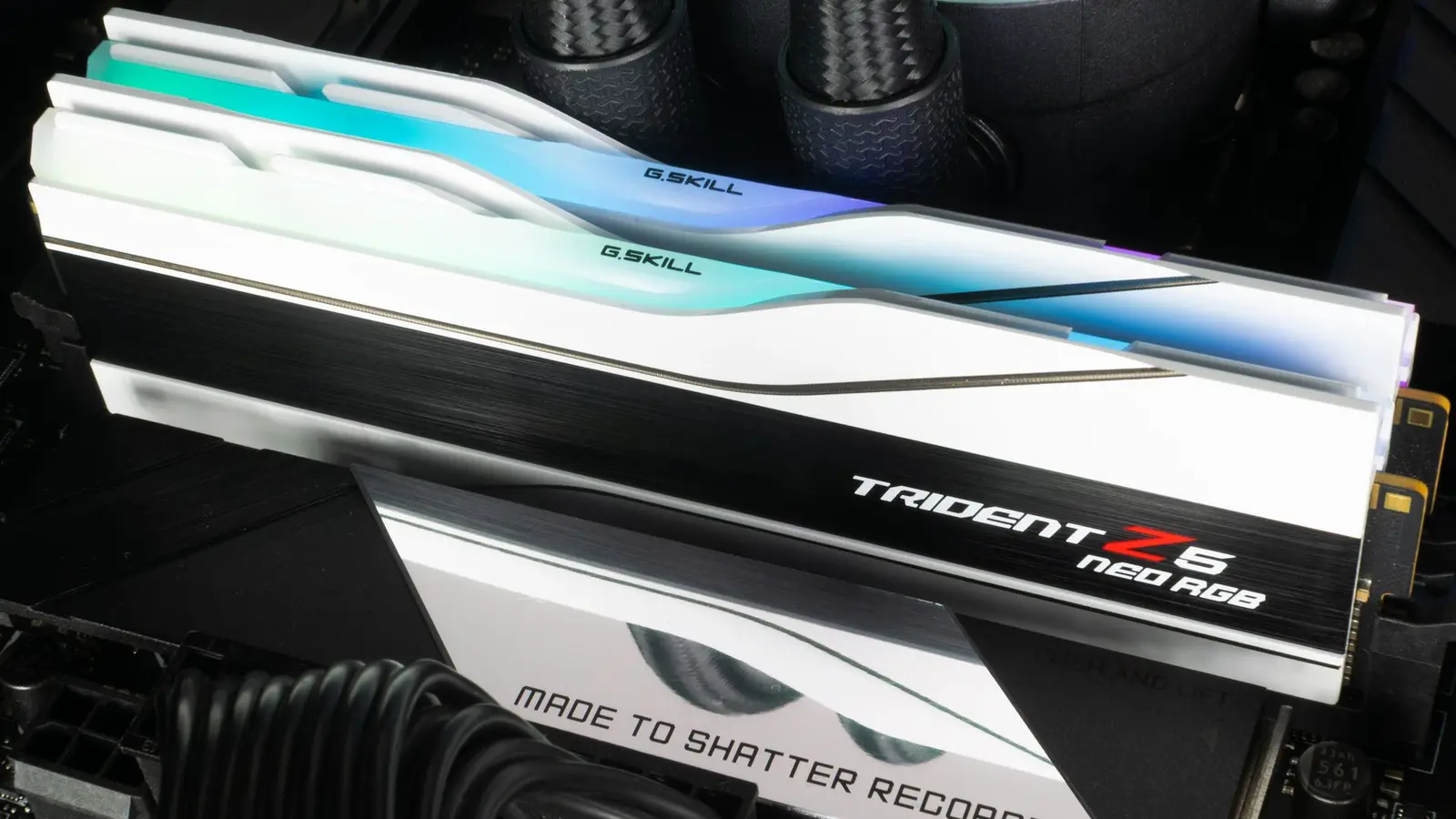
G. Skill has secured a lifelong customer by strictly adhering to its warranty replacement policy. The memory manufacturer replaced a faulty DDR5 kit for an enthusiast who purchased it when prices were low. This decision stands out because the current market value of the specific module has surged dramatically since the original purchase date.
Latest news
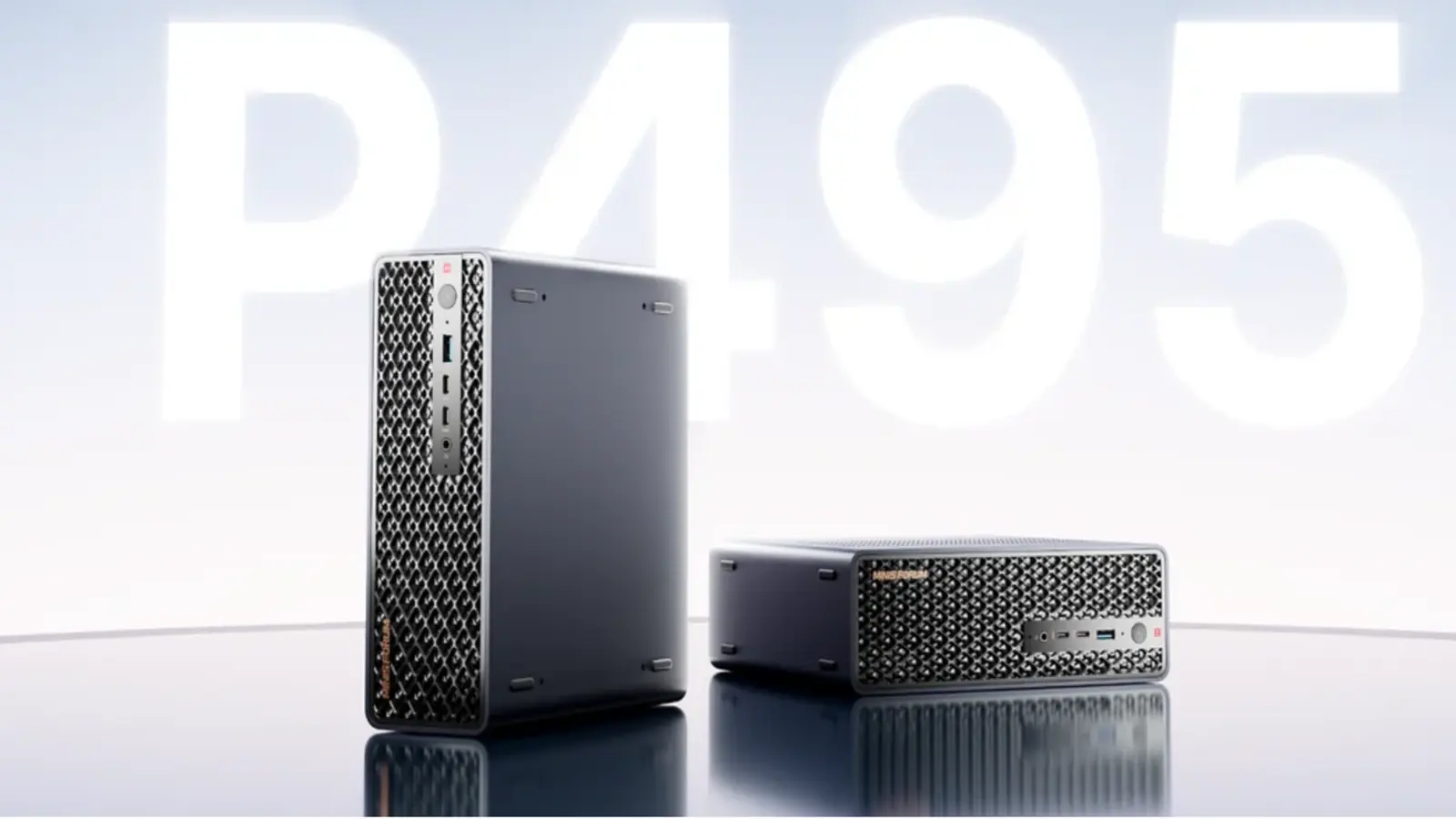 Minisforum Unveils High‑End Ryzen AI Max+ PRO 495 Workstation
 NASA Eyes Revival of SR‑71 Blackbird
 My Home Wi‑Fi Was Crowded by 14 Neighbors—A Free App Helped Me Find a Clear Channel
 YouTube is tightening rules for low-effort Shorts
The incident involves a standard consumer transaction that turned into a test of corporate integrity. The customer originally bought the memory kit for approximately $150. At the time of the claim, the same hardware was selling for around $1,200. Despite this massive price difference, the company did not charge the user for the upgrade or deny the service.
Memory markets have experienced significant volatility in recent years. Supply chain constraints and high demand have driven up the cost of DDR5 components. Many consumers fear that manufacturers might exploit these conditions during warranty claims. They worry companies will replace old, cheap units with new, expensive ones without proper compensation. G. Skill avoided this common pitfall by treating the warranty as a fixed obligation.
Does Market Volatility Change Warranty Terms?
The enthusiast reported that the process was straightforward. The company accepted the defective module and shipped a working replacement. No hidden fees or complex paperwork complicated the exchange. This simplicity reinforced trust between the brand and the user. It demonstrated that the warranty terms remained valid regardless of external economic shifts.
Warranty policies typically cover defects in materials and workmanship. They rarely account for fluctuating retail prices unless explicitly stated. In this case, G. Skill followed the standard rule. The customer paid for a product at one price point. The replacement reflects the current inventory status. However, the goodwill generated by honoring the deal at face value outweighs the immediate financial loss.
Industry observers note that such actions are rare in the current tech landscape. Many brands hesitate to replace items when replacement costs exceed original sales prices. This hesitation often leads to disputes and negative reviews. G. Skill’s approach contrasts sharply with competitors who might negotiate or offer store credit instead of full replacements.
The outcome benefits both parties in the long run. The customer gains confidence in the brand’s reliability. They are likely to recommend G. Skill to peers in online communities. The manufacturer builds a reputation for fairness. This intangible asset can drive future sales among enthusiasts who value transparency. As memory prices stabilize or rise further, consistent service becomes a key differentiator.
Frequently Asked Questions
Did G. Skill charge the customer for the price difference? No, the company did not charge the customer for the difference. The replacement was provided under the standard warranty terms without additional fees.
How much did the RAM kit cost originally versus now? The kit originally cost about $150. At the time of the warranty claim, the same model sold for approximately $1,200.
Why is this considered a positive outcome for the brand? It demonstrates that the company honors its commitments regardless of market fluctuations. This builds strong trust and loyalty among PC enthusiasts.
Comments
Leave a comment