The Viral Moment That Sparked Legal Action
Chrisanna Elser is suing Flock Group and local authorities after an automated system wrongly accused her of stealing a porch package. The incident occurred in Colorado, where she received a criminal summons based on faulty data. The case has drawn national attention due to the reliability of the technology used. Elser claims the system failed to verify the actual vehicle owner. This legal action highlights growing concerns about automated policing tools.
Latest news
 Smart TVs frequently lose their Wi-Fi connection, leaving viewers staring at a spinning loading icon
 Why Ignoring Car Software Updates Is Risky
 Apple's foldable iPhone Duo introduces dual-display multitasking capabilities
 FCC Weighs Reciprocal Limits on Foreign Satellite Firms
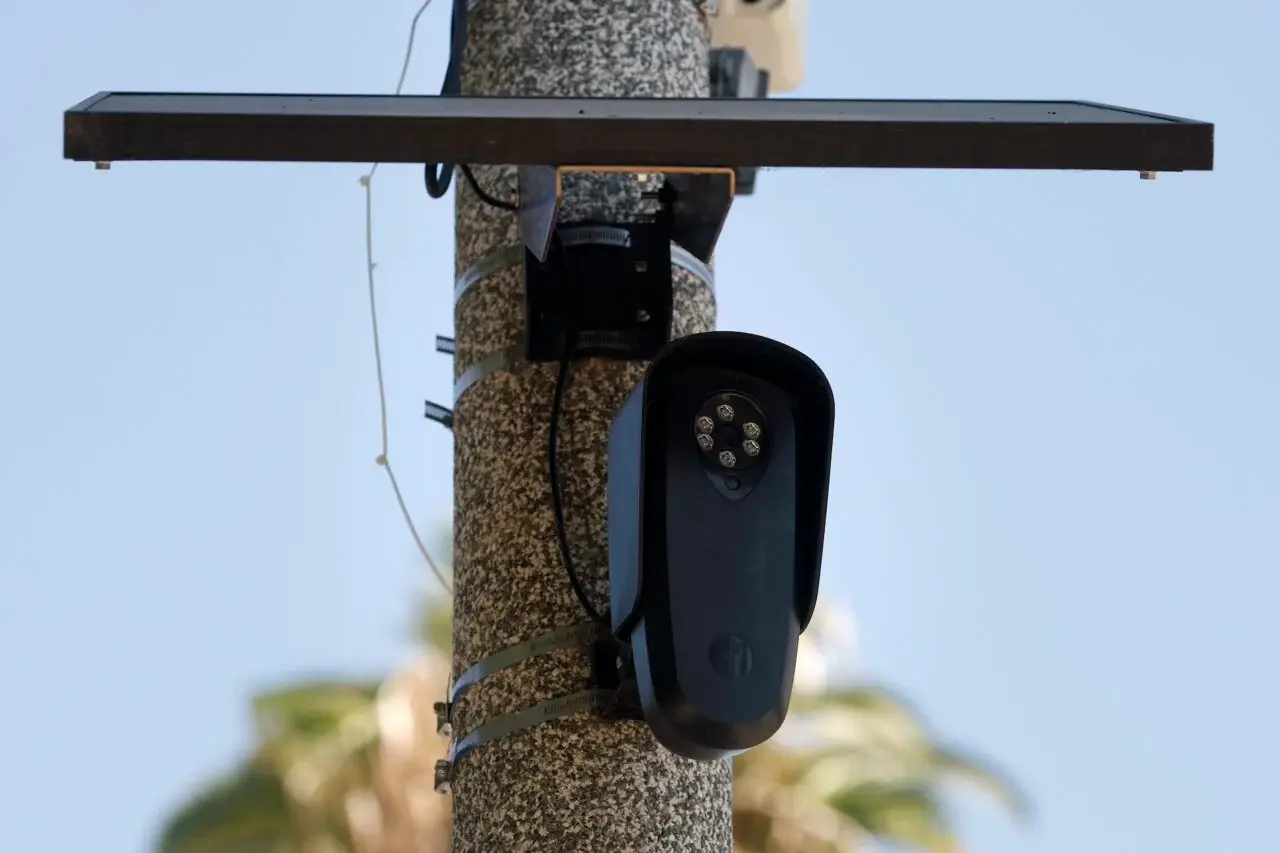
The accusation originated from a Flock Safety license plate reader. This device captured Elser’s vehicle near the crime scene. Authorities relied solely on this automated hit to build their case. No other physical evidence linked her to the theft. The system did not cross-check ownership records thoroughly. This lack of verification led to a false positive identification. Police officers initially expressed high confidence in the digital evidence. They believed the data was conclusive without further investigation.
A video captured the moment Elser was served with the criminal summons. The footage shows her receiving the document from law enforcement. The clip quickly spread across social media platforms. It exposed the stark contrast between the official claim and reality. A police sergeant had previously stated the case was a certainty. He described the evidence as one hundred percent solid. This confident assertion made the eventual reversal more shocking. The video became a symbol of potential flaws in automated systems. It prompted widespread discussion about due process in digital policing.
How Did Automated Data Lead to a Mistake?
Flock Safety systems use cameras to track license plates in real time. These hits are often used as initial leads in investigations. However, they are not definitive proof of criminal activity. In this instance, the system flagged Elser’s car near the stolen package. Investigators failed to confirm she was the driver or owner at that exact time. The town of Columbine Valley and Bow Mar were also named in the lawsuit. Sergeant Jamie Miller is included among the defendants. The lawsuit argues that reliance on unverified data violated her rights. It suggests that human oversight was insufficient to catch the error.
The case underscores the risks of integrating AI into law enforcement. Automated systems can process vast amounts of data quickly. Yet, they lack the context to understand human behavior or vehicle usage. A single camera hit does not equate to guilt. Law enforcement agencies must treat these alerts as leads, not conclusions. The failure here involved a breakdown in standard investigative procedures. Officers accepted the digital signal without seeking corroborating evidence. This shortcut led to an unjust prosecution of an innocent citizen.
Frequently Asked Questions
Who is Chrisanna Elser suing in this case? Elser is suing Flock Group, the manufacturer of the license plate reader. She has also named the towns of Columbine Valley and Bow Mar. Additionally, Sergeant Jamie Miller is included as a defendant in the lawsuit.
What technology caused the false accusation? The accusation stemmed from a Flock Safety automated license plate reader. The system detected Elser’s vehicle near the crime scene. Police treated this automated hit as definitive proof of theft.
Did the police admit to making a mistake? The source text does not mention a formal admission of error. However, the case proceeded to a lawsuit after the viral video exposed the lack of evidence. The initial police confidence in the data was clearly misplaced.
Comments
Leave a comment