Why Data Centers Need a Dedicated Nuclear Option
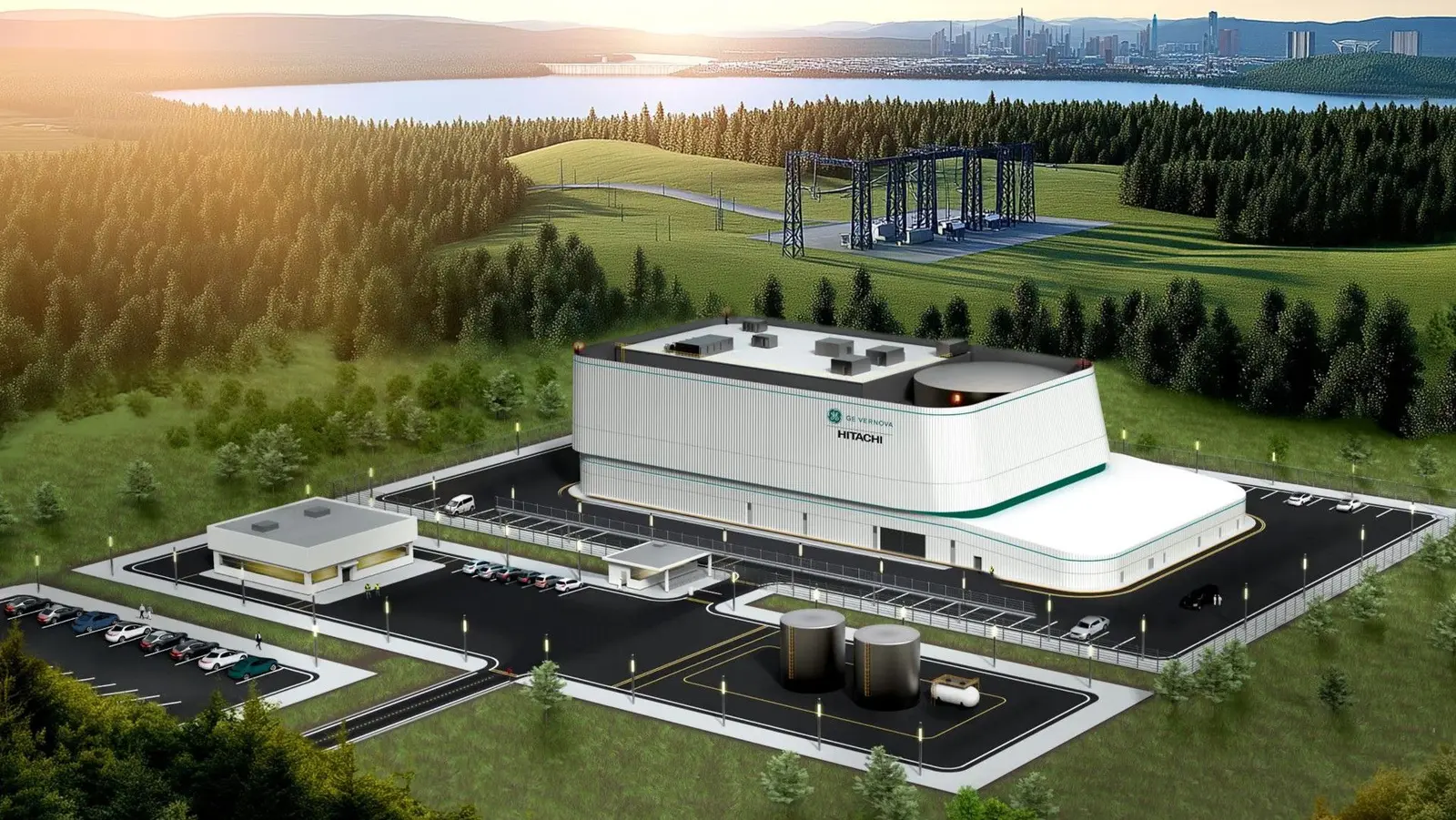
The U. S. Nuclear Regulatory Commission cleared TVA’s 300‑MW BWRX‑300 reactor, the first small modular plant tailored for data‑center use. The decision follows similar moves in the U. K. and Canada, expanding the market for compact nuclear power.
Latest news
 FBI Terminates Contractor Following Major Data Breach
 Cybercriminals Accelerate Exploits Using Disclosed Vulnerabilities
 South Korean Authorities Investigate Potential AI Involvement in Recent Bank Hacks
 Prime Day’s Top 16 Tech Deals: Must‑Have Gadgets for Savvy Shoppers
The BWRX‑300 is a boiling‑water reactor designed to fit into a 10‑by‑10‑meter footprint. It can deliver steady, low‑carbon electricity to high‑density computing sites. TVA plans to install the unit at its plant in Tennessee, with a projected 2026 start‑up. The reactor will be the first of its kind to receive full regulatory approval in the United States.
Large data‑center operators demand reliable, continuous power. Traditional grid connections can be costly and vulnerable to outages. The BWRX‑300 offers a 24/7 supply with minimal fuel handling and no need for onsite water cooling. TVA’s spokesperson said the plant will reduce carbon emissions by 50% compared to fossil‑fuel backups. The design also includes passive safety systems, allowing rapid shutdown without operator input.
Is This a Step Toward a New Nuclear Era?
Industry analysts note that the reactor’s small size makes it attractive for sites with limited space or regulatory hurdles. The U. K. already approved a similar plant for the London data‑center market, and Canada is exploring options for northern facilities. The U. S. approval signals a shift toward modular nuclear solutions that can complement renewable grids.
The BWRX‑300’s approval could open the door to a wave of small reactors across North America. By 2030, the U. S. could see dozens of units operating in data‑center, industrial, and remote‑location markets. However, critics warn that the long lead time for construction and the high upfront costs may limit rapid deployment. The regulatory process, which took nearly a decade, also highlights the complexity of bringing new nuclear designs to market.
The reactor’s success will depend on its ability to deliver promised cost savings and reliability. If TVA’s plant meets performance targets, it could prove a model for other utilities. The decision also reinforces the role of nuclear power in meeting climate goals, offering a low‑carbon alternative to fossil fuels for high‑energy consumers.
Frequently Asked Questions
What makes the BWRX‑300 suitable for data centers? Its compact footprint and passive safety features reduce space and maintenance needs, while its steady output matches the constant power demand of servers.
Will the reactor operate independently of the grid? Yes, the design allows it to run as a standalone power source, providing uninterrupted electricity even during grid outages.
How long will it take to build a BWRX‑300 unit? Typical construction timelines are 18 to 24 months, but the exact duration depends on site preparation, permitting, and supply chain factors.
Comments
Leave a comment