Bridging the Gap Between Complexity and Utility
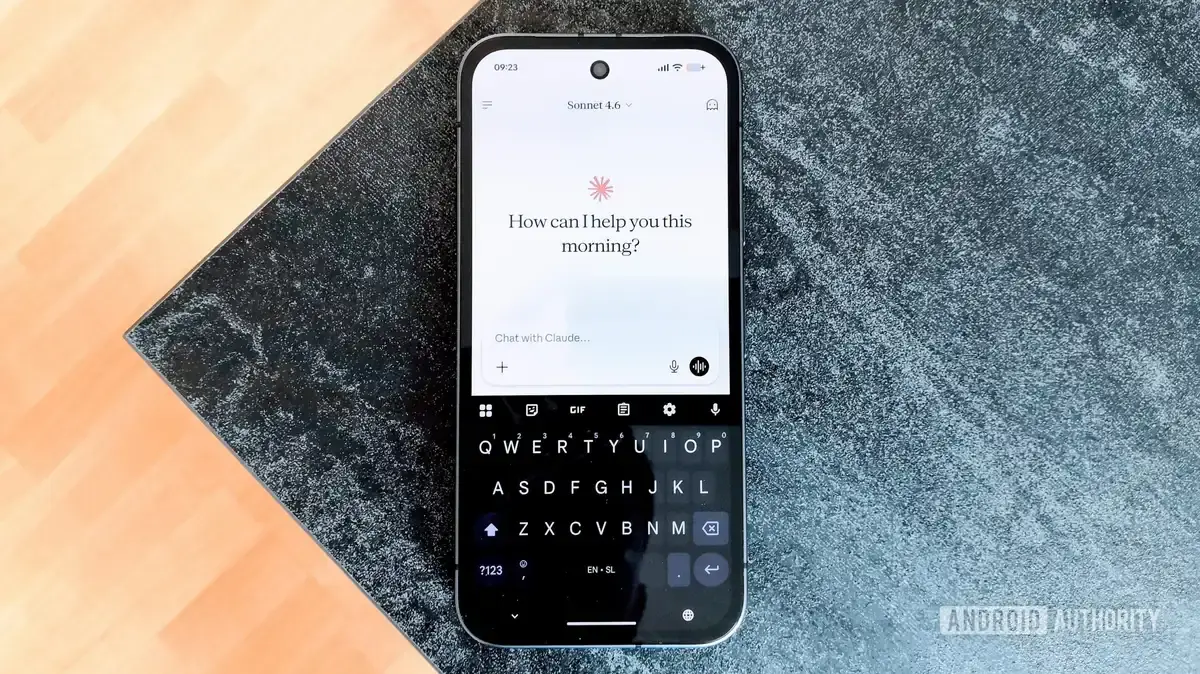
Frustrated by the limitations of existing digital organization tools, one tech enthusiast recently decided to abandon commercial apps entirely. Instead, he utilized the AI model Claude to develop a bespoke household management system. This personalized solution now handles his family’s specific daily requirements more effectively than any off-the-shelf software ever could.
Latest news
 Minisforum Unveils High‑End Ryzen AI Max+ PRO 495 Workstation
 NASA Eyes Revival of SR‑71 Blackbird
 My Home Wi‑Fi Was Crowded by 14 Neighbors—A Free App Helped Me Find a Clear Channel
 YouTube is tightening rules for low-effort Shorts
The developer spent years testing various platforms designed to streamline family life. Most options felt either too bloated with unnecessary features or lacked the specific functionality his household required. By leveraging generative AI, he bypassed the traditional software development lifecycle, creating a functional interface tailored to his family's unique routine.
The resulting application focuses strictly on essential tasks rather than trying to be an all-in-one platform. By communicating his specific needs to the AI, the creator generated code that prioritizes simplicity and speed. This custom approach ensures that every feature serves a direct purpose, eliminating the digital clutter found in mainstream alternatives.
Is Custom AI Development the Future of Home Organization?
Building the tool required an iterative process of trial and error. The developer treated the AI as a collaborative partner, refining the interface until it felt intuitive for every family member. While the software lacks the polished finish of a venture-backed startup product, it succeeds where others failed by being perfectly aligned with his home environment.
This shift toward bespoke software highlights a growing trend in personal technology. As AI tools become more accessible, individuals are increasingly capable of building their own digital infrastructure. This allows for total control over data privacy and feature sets, moving away from the one-size-fits-allmodel that dominates the current app market.
Frequently Asked Questions
The creator acknowledges that the app remains a work in progress. However, the ability to modify the code whenever a new need arises provides a level of flexibility that commercial apps cannot match. This experiment demonstrates that for those willing to learn, AI can turn a simple idea into a permanent solution for household chaos.
What makes this custom app better than existing solutions? The app is superior because it contains only the features the family actually uses. It avoids the bloat and complexity that often make mainstream management software difficult to navigate.
Was it difficult to build without professional coding skills? The developer used AI to bridge the technical gap. By describing his needs to the model, he was able to generate the necessary code and iterate on the design without needing a traditional software engineering background.
Comments
Leave a comment