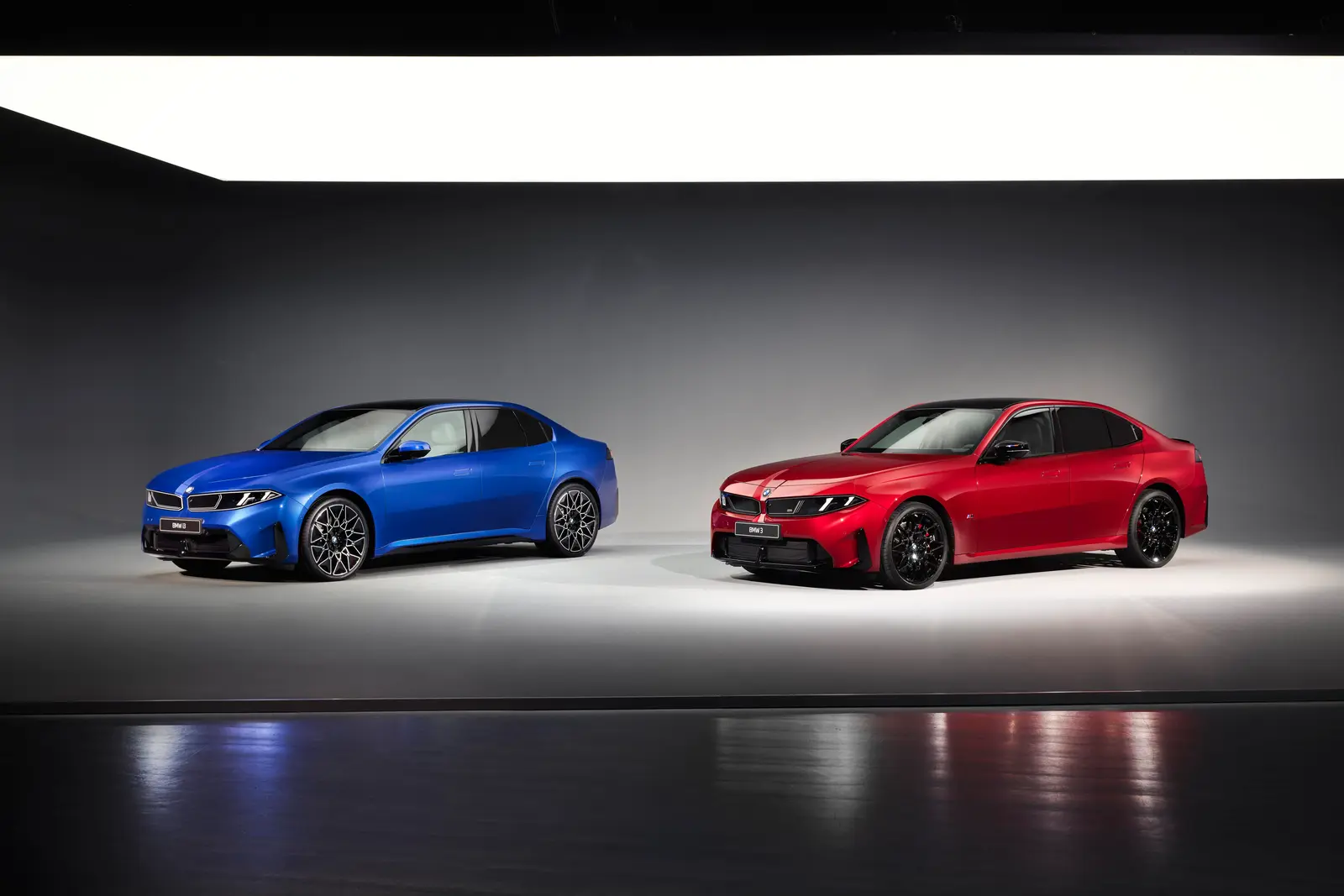
From Hatchback to Sedan: What Changed?
A new version of the BMW i3 has been unveiled, now presented as a four‑door electric sedan. The model is built on the company’s N‑series platform and offers a maximum range of 468 miles on a single charge. BMW introduced the redesign in late 2025, targeting consumers who need longer trips without compromising on electric performance.
Latest news
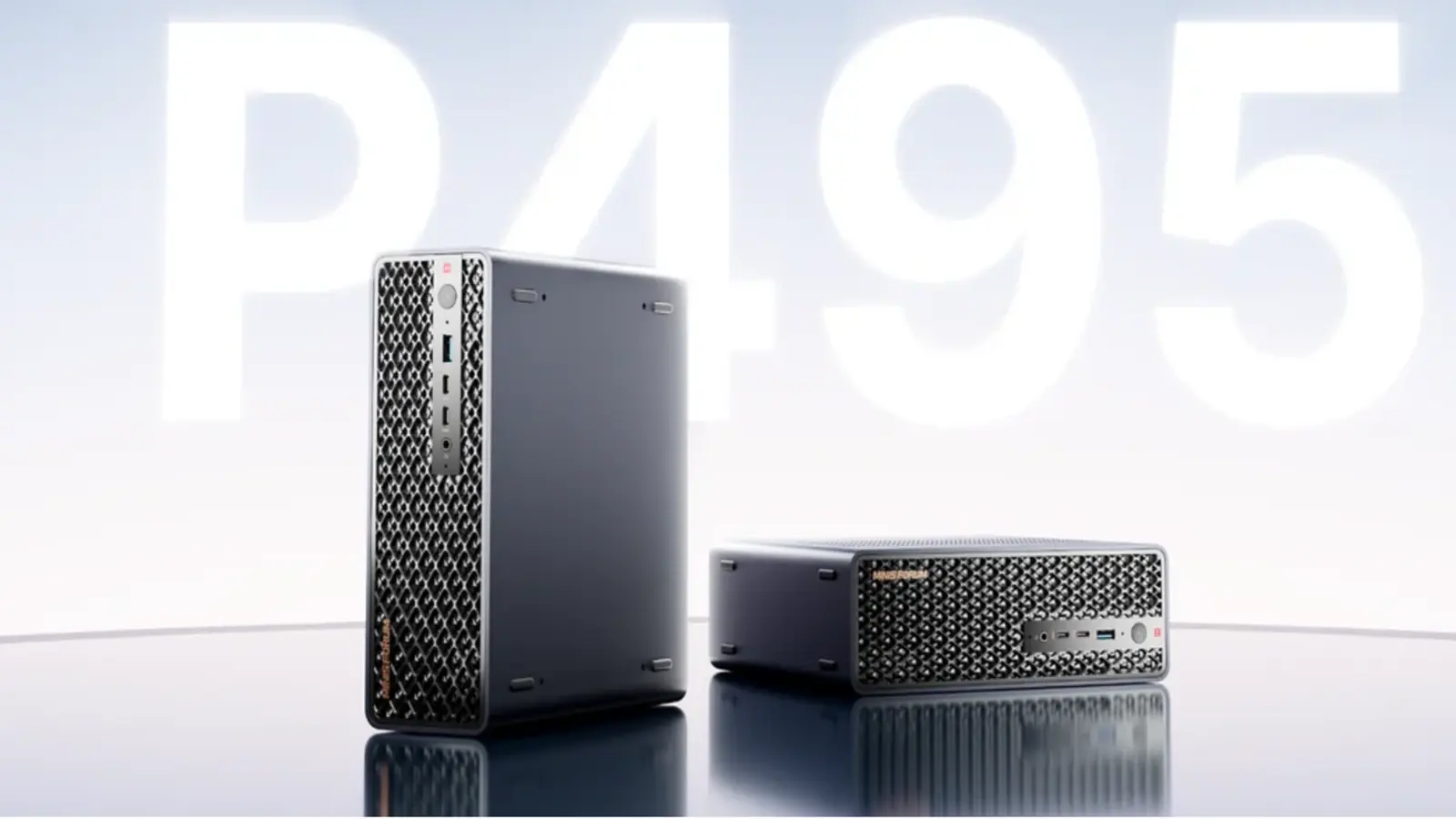 Minisforum Unveils High‑End Ryzen AI Max+ PRO 495 Workstation
 NASA Eyes Revival of SR‑71 Blackbird
 My Home Wi‑Fi Was Crowded by 14 Neighbors—A Free App Helped Me Find a Clear Channel
 YouTube is tightening rules for low-effort Shorts
The shift from the original compact hatchback to a sedan reflects BMW’s strategy to broaden its electric lineup. The updated i3 retains the brand’s signature carbon‑fiber construction, but the new bodywork adds space and a more conventional silhouette. Battery technology has been upgraded, enabling the extended range without a significant weight penalty. The company claims the new powertrain delivers smooth acceleration and a quiet cabin, keeping the i3’s reputation for efficiency.
The redesign focuses on practicality and market appeal. The new sedan features a larger front trunk and rear seating that accommodates two adults comfortably. Interior materials have been refreshed with recycled composites, aligning with BMW’s sustainability goals. The dashboard now hosts a larger infotainment screen and updated driver‑assist systems, including adaptive cruise control and lane‑keeping assistance. Battery capacity has increased by roughly 30%, allowing drivers to travel farther on a single charge.
Will the Long‑Range i3 Capture the Market?
BMW’s marketing team highlighted the sedan’s ability to compete with other long‑range electric vehicles in the mid‑size segment. The company also noted that the new i3 will be available in both rear‑wheel‑drive and all‑wheel‑drive configurations, catering to different driving preferences. Production will begin in the company’s Leipzig plant, where the original i3 was manufactured.
The electric‑vehicle market is growing rapidly, with consumers demanding longer ranges and more spacious cars. The i3’s 468‑mile range places it ahead of many rivals in the same price bracket. However, the sedan’s price is expected to be higher than the original hatchback, potentially limiting its appeal to cost‑sensitive buyers. BMW’s strategy appears to be targeting urban drivers who need a compact vehicle for city use but also want the flexibility to travel longer distances without frequent charging.
Industry analysts predict that the new i3 could attract buyers looking for a sustainable yet practical daily driver. The model’s emphasis on lightweight construction and efficient powertrain may also appeal to those interested in performance. Yet, competition from established electric sedans, such as the Tesla Model 3 and the Hyundai Ioniq 5, will test the i3’s market position.
The long‑range i3 could also influence BMW’s future electrification plans. By demonstrating that a small‑car platform can support extended range, the company may accelerate the rollout of additional electric models. If sales meet expectations, BMW may invest further in battery research and expand its charging infrastructure.
Frequently Asked Questions
What is the battery capacity of the new i3? The new i3 uses a 100‑kWh battery pack, which supports the claimed 468‑mile range under optimal conditions.
Will the i3 be available in all‑wheel‑drive? Yes, BMW plans to offer both rear‑wheel‑drive and all‑wheel‑drive variants to cater to different driving needs.
How does the new i3 compare to the original model? The sedan offers more interior space, a larger battery, and updated driver‑assist features, while maintaining the i3’s lightweight construction and efficient performance.
Comments
Leave a comment