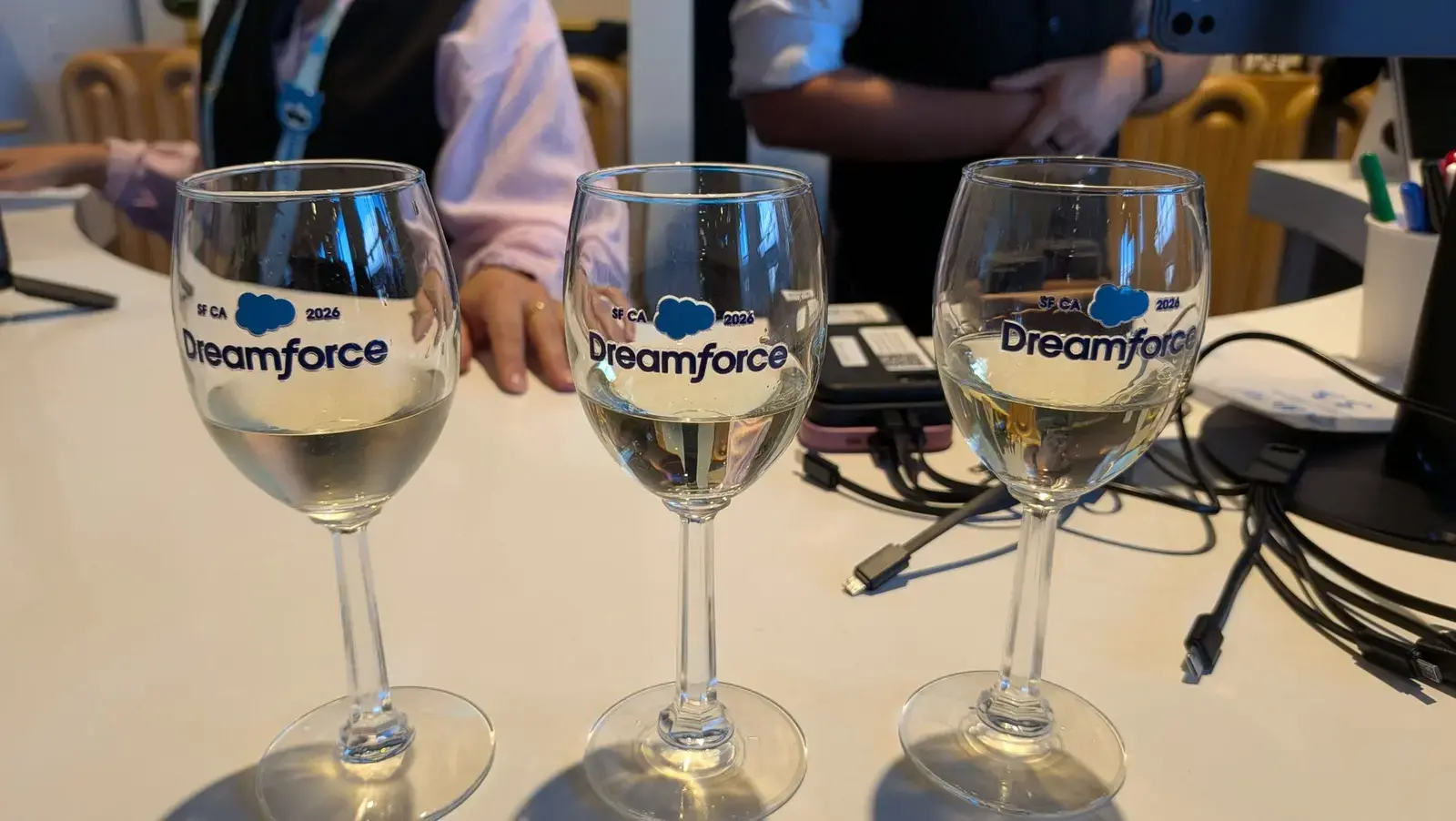
How Well Can AI Really Taste?
Salesforce's experimental tAIster AI agent attempted to guess wines based on user-provided tasting notes, with mixed accuracy in early testing. The feature was demonstrated in a September 2026 article exploring AI's role in sensory tasks traditionally handled by human experts.
Latest news
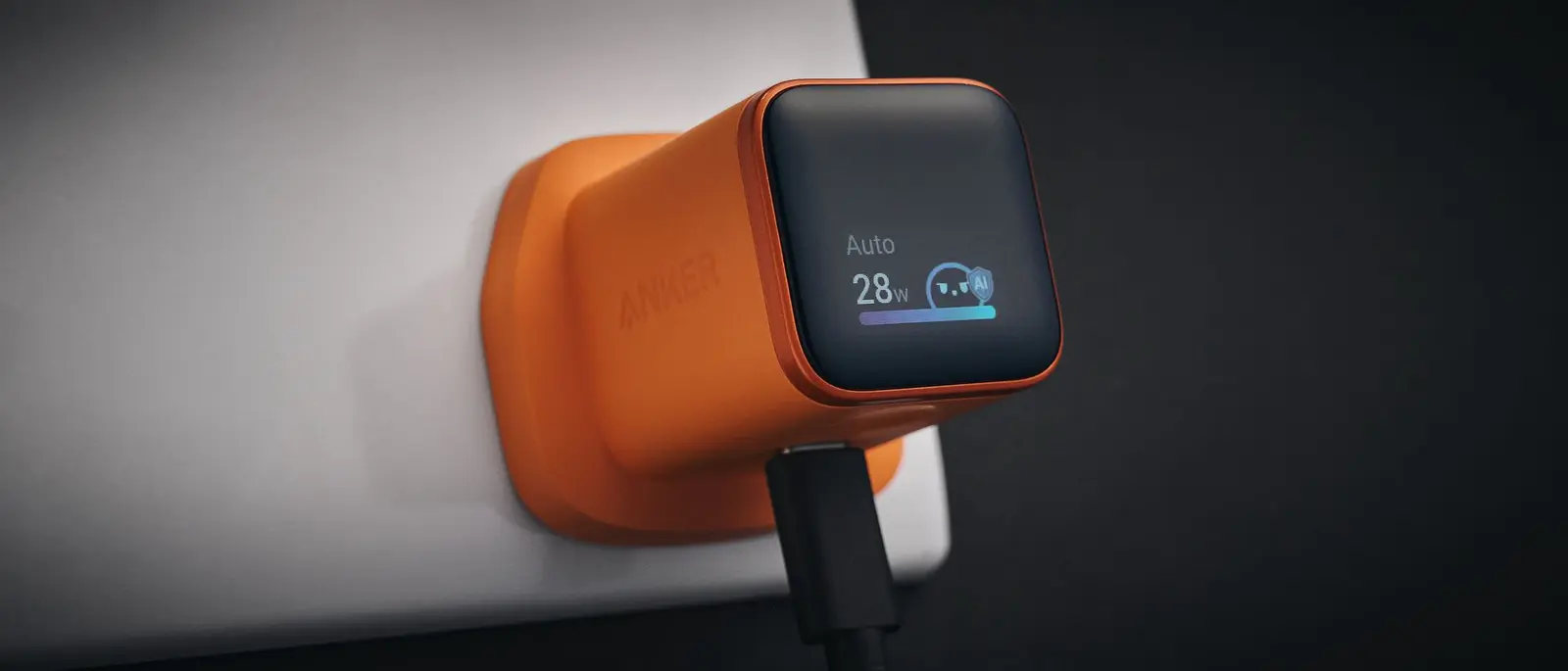 Anker Unveils Playful 45W Charger With Animated Face Display
 Google Docs Web Version Still Missing Native Dark Mode
 Anthropic-Linked Vulnerability Exploited From China, Targets US and Japan
 Text‑Based AI Agents: Your New Digital Assistants
The tAIster system, designed to interpret descriptive language about flavor, aroma, and mouthfeel, was tested using real-time user input during wine tastings. While it occasionally matched the correct varietal or region, it often struggled with subtle nuances like terroir influence or aging characteristics, highlighting gaps in its training data for complex sensory interpretation.
Can Machines Ever Replace the Human Palate?
In one test, the agent correctly identified a Pinot Noir from Burgundy after receiving notes of „red cherry, forest floor, and light spice,”but failed to distinguish between two similar Cabernet Sauvignons based on tannin structure alone. Developers noted that the model relies heavily on linguistic patterns rather than actual sensory experience, limiting its ability to replicate expert judgment. Human sommeliers still outperformed the AI in blind trials involving blind blends and older vintages.
Experts suggest that while AI can assist in wine education or basic classification, it lacks the embodied cognition that comes from years of tasting and contextual learning. The tAIster agent, though innovative, remains a pattern-matching tool rather than a true perceptual system. Its value may lie in guiding novices rather than replacing professionals.
What is the tAIster AI agent? The tAIster is an experimental AI agent developed by Salesforce designed to interpret natural language descriptions of wine and make predictions about varietal, region, or vintage based on linguistic patterns in user input.
Frequently Asked Questions
How accurate was the AI in identifying wines? Results were inconsistent: the agent sometimes matched broad characteristics like grape type or general region but frequently missed finer details such as vintage-specific traits or subtle oak influence, indicating limited reliability for expert-level tasks.
Will AI replace sommeliers in the near future? No, current AI systems like tAIster cannot replicate the nuanced, experiential judgment of human sommeliers. They may serve as educational aids but are not yet capable of replacing professionals in wine service, pairing, or evaluation.
Comments
Leave a comment