
A Shift in Consumer Preferences
The first quarter of 2026 saw a sluggish PC market in India and China, two of the world's most populous nations. According to analyst firm Omdia, buyers in these countries acquired just 13.1 million PCs during this period. This figure is a stark contrast to the growth seen in other parts of the world.
Latest news
 Anthropic Unveils Claude Duet For Background AI Tasks
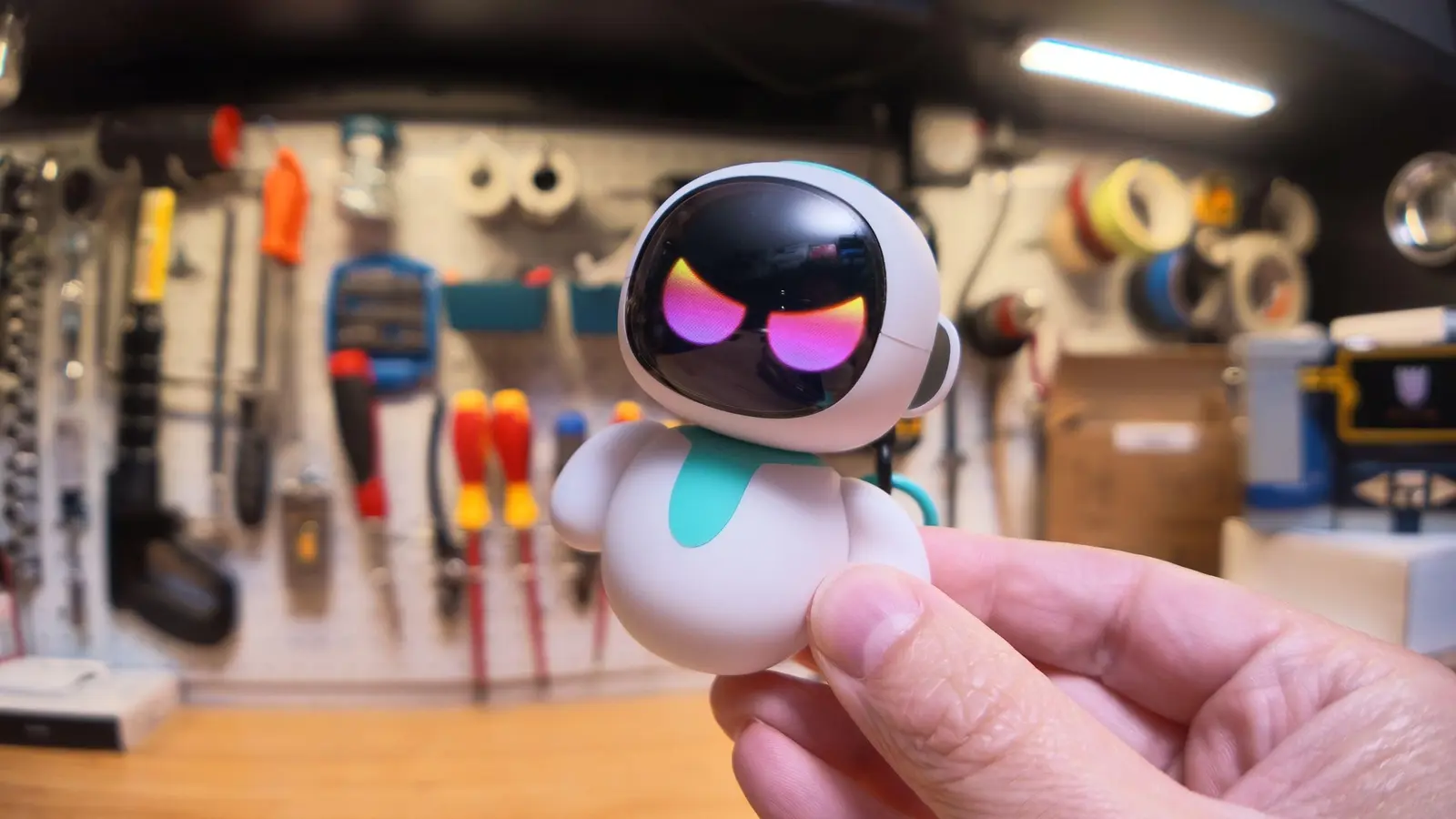 Eiliko Creator Hires Independent Security Firm After Flawy Robot Charm Exposed
 Musk Compares Optimus Robot Training to Raising a Toddler
 Atari VCS Software Store Closes in February 2027
The Indian market was a notable exception, with buyers acquiring 4.4 million PCs, a 32 percent year-over-year growth. Of these, 3.5 million were laptops. This growth is attributed to increasing demand for portable devices. Brands such as Samsung and Lenovo are taking notice of this trend and are investing in the Indian market.
Can India's PC Market Continue to Grow?
The growth in the Indian PC market is largely driven by the increasing adoption of laptops. This shift in consumer preferences is attributed to the need for portable devices that can keep up with the demands of remote work and online education. As a result, brands are focusing on developing more affordable and feature-rich laptops that cater to the needs of Indian consumers.
Frequently Asked Questions
Despite the growth in the Indian PC market, there are concerns about its sustainability. The global PC market is facing a slowdown, and India's market is heavily dependent on imports. The Indian government's plans to promote domestic manufacturing and reduce imports may help alleviate these concerns. However, the industry remains cautious about the outlook for the PC market in India.
The sluggish PC market in India and China has significant implications for the global industry. It highlights the need for brands to adapt to changing consumer preferences and invest in emerging markets. As the world becomes increasingly digital, the demand for PCs and laptops is expected to continue growing. However, the pace of growth will depend on various factors, including government policies and consumer behavior.
Comments
Leave a comment