
How a Passive Device Fixed Active Software Glitches
A simple and inexpensive hardware fix has resolved persistent display detection problems for a gaming streamer using Windows. After struggling with inconsistent monitor recognition during game streaming sessions, the user discovered that inserting a $4 HDMI dummy plug into an unused port stabilized the system's display configuration. The solution eliminated the need for constant troubleshooting and allowed seamless switching between gaming and streaming modes. The fix worked by tricking Windows into detecting a constant display signal, preventing the operating system from reconfiguring monitors when the main TV or capture card was temporarily disconnected. This low-cost intervention restored reliability to a setup that had previously required frequent manual adjustments.
Latest news
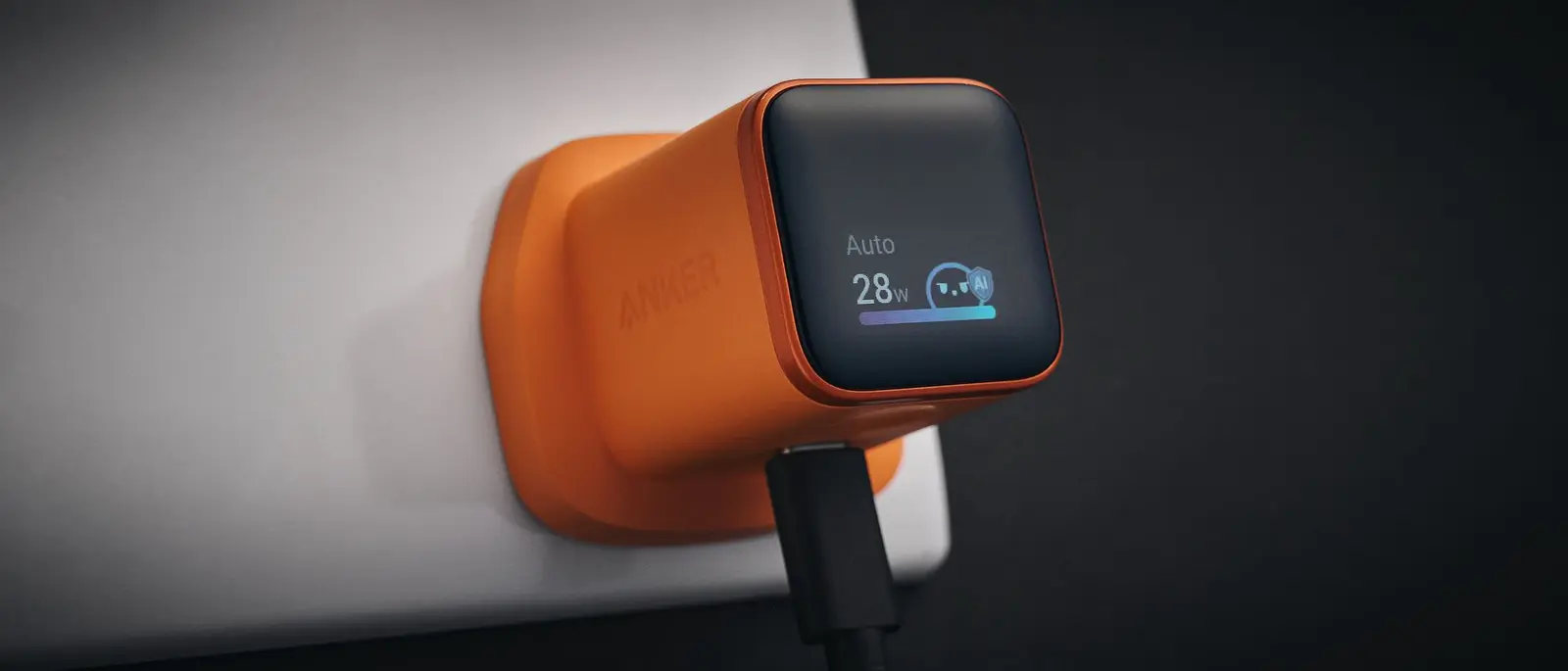 Anker Unveils Playful 45W Charger With Animated Face Display
 Google Docs Web Version Still Missing Native Dark Mode
 Anthropic-Linked Vulnerability Exploited From China, Targets US and Japan
 Text‑Based AI Agents: Your New Digital Assistants
The core issue stemmed from Windows’ tendency to reset display arrangements when it detected a change in connected monitors, a common occurrence during streaming when capture devices or TVs power cycle. The HDMI dummy plug, which mimics the electrical signature of a display without showing any image, provided a constant feedback loop to the graphics driver. This prevented the OS from triggering display re-detection events that caused windows to rearrange, resolution shifts, or audio routing failures. By maintaining a stable perceived display count, the plug allowed the streaming software to maintain consistent output without interference. The user reported that after installation, the system no longer dropped displays mid-stream, and OBS Studio retained its configuration across reboots and device reconnects.
Why Software Alone Couldn’t Solve the Problem
Despite updating drivers, adjusting power settings, and disabling automatic display detection in Windows Settings, the problem persisted. These software-based approaches failed because the root cause was at the hardware enumeration level—Windows still reacted to physical disconnection events regardless of software configurations. The dummy plug addressed this by ensuring the GPU always sensed at least one display attached, even when the primary output was inactive. This workaround highlights a gap in how Windows handles multi-display setups in dynamic environments like game streaming, where devices frequently change state. The solution is not officially supported but has gained traction among content creators facing similar issues.
What is an HDMI dummy plug and how does it work? An HDMI dummy plug is a passive device that simulates the presence of a display by providing the correct electrical signals to a graphics card’s HDMI port. It does not transmit video or audio but tricks the system into thinking a monitor is always connected.
Frequently Asked Questions
Will using a dummy plug affect my actual display or performance? No, the dummy plug only occupies an unused HDMI port and does not interfere with active displays. It has no impact on GPU performance, resolution, or refresh rate of connected monitors.
Is this fix safe for long-term use on a gaming PC? Yes, the device contains no active components and draws negligible power. It poses no risk to hardware and can be left connected indefinitely without adverse effects.
Comments
Leave a comment