
Why Bitrate Matters More Than Resolution Alone
Despite the 4K label on streaming services, the actual video data delivered often falls short of what a standard Blu-ray disc provides. This discrepancy arises from compression and bitrate limitations in streaming, which prioritize bandwidth efficiency over raw quality. As a result, viewers may be getting less detail than the resolution badge suggests, especially in fast-moving or visually complex scenes.
Latest news
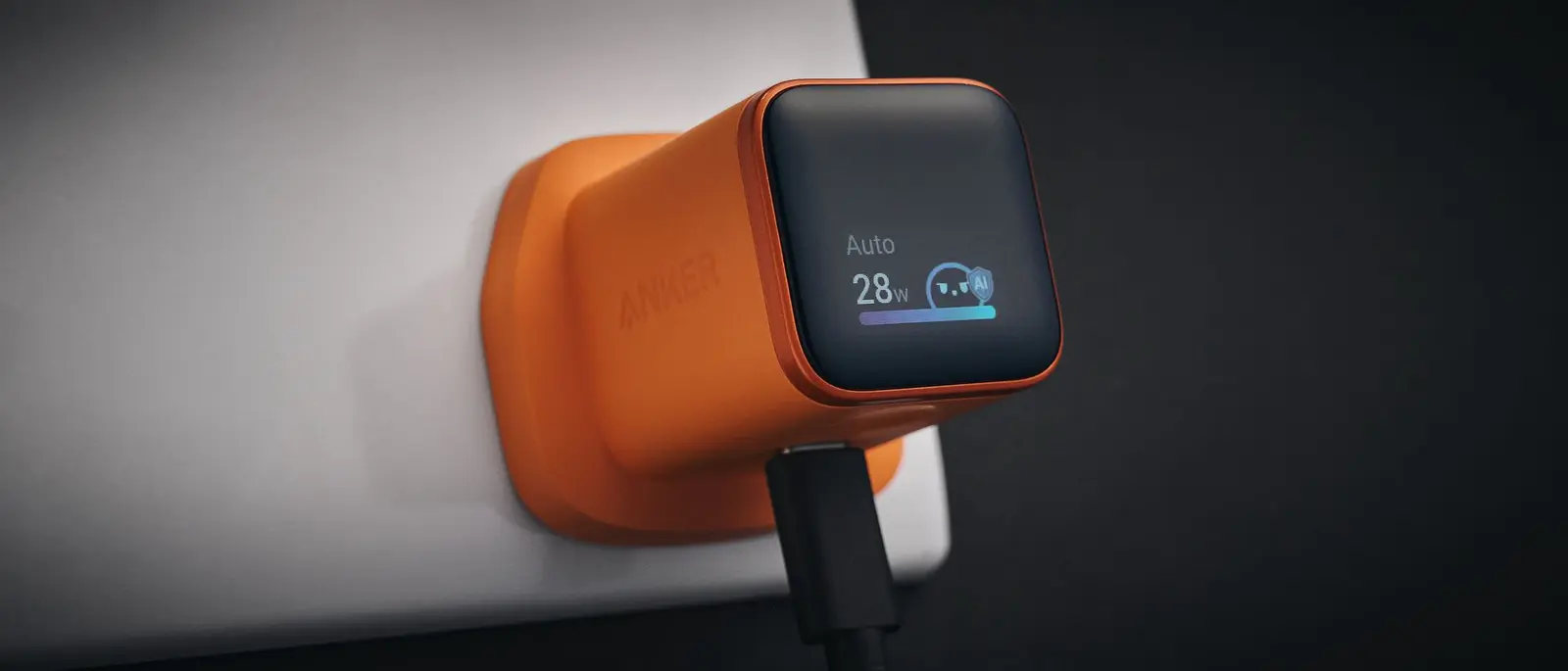 Anker Unveils Playful 45W Charger With Animated Face Display
 Google Docs Web Version Still Missing Native Dark Mode
 Anthropic-Linked Vulnerability Exploited From China, Targets US and Japan
 Text‑Based AI Agents: Your New Digital Assistants
The core issue lies in how streaming platforms encode video. While 4K implies a resolution of 3840x2160 pixels, the bitrate—the amount of data processed per second—is frequently capped to ensure smooth delivery across varying internet connections. A typical 4K stream might run at 15 to 25 megabits per second, whereas a 1080p Blu-ray disc commonly uses bitrates between 30 and 40 megabits per second, sometimes higher for peak scenes. This means the Blu-ray can preserve more color gradation, texture detail, and motion clarity, even though its pixel count is lower.
Can Streaming Ever Match Physical Media Quality?
Resolution defines pixel count, but bitrate determines how much information fills those pixels. Streaming services use aggressive compression to reduce file size, which can introduce artifacts like banding, blurring, or blockiness during high-motion sequences. Blu-ray discs, by contrast, are not constrained by real-time bandwidth limits, allowing for less compression and higher fidelity. Experts note that a well-encoded 1080p Blu-ray can appear sharper and more detailed than a heavily compressed 4K stream, particularly on larger screens where imperfections are more noticeable.
While advancements in codecs like AV1 and HEVC have improved streaming efficiency, most platforms still prioritize accessibility over peak quality. Adaptive bitrate streaming constantly adjusts quality based on connection strength, meaning users rarely experience the full 4K potential consistently. Unless streaming services significantly increase minimum bitrates or offer lossless tiers, the gap between physical media and streaming quality is likely to persist. For enthusiasts seeking the best possible picture, Blu-ray remains a reliable benchmark.
Does a higher resolution always mean better image quality? Not necessarily. If the bitrate is too low, a 4K stream can look worse than a high-bitrate 1080p source due to compression artifacts overwhelming the benefit of extra pixels.
Frequently Asked Questions
Why do streaming services use lower bitrates? To ensure smooth playback across a wide range of internet speeds and devices, services cap bitrates to prevent buffering, even if it means reducing visual fidelity.
Is there a way to get true 4K quality from streaming? Some premium tiers on select platforms offer higher bitrates, but they still rarely match the consistent data rates of a Blu-ray disc. Checking platform-specific bitrate info can help identify better options.
Comments
Leave a comment