Exploring the Probe's Internal Architecture
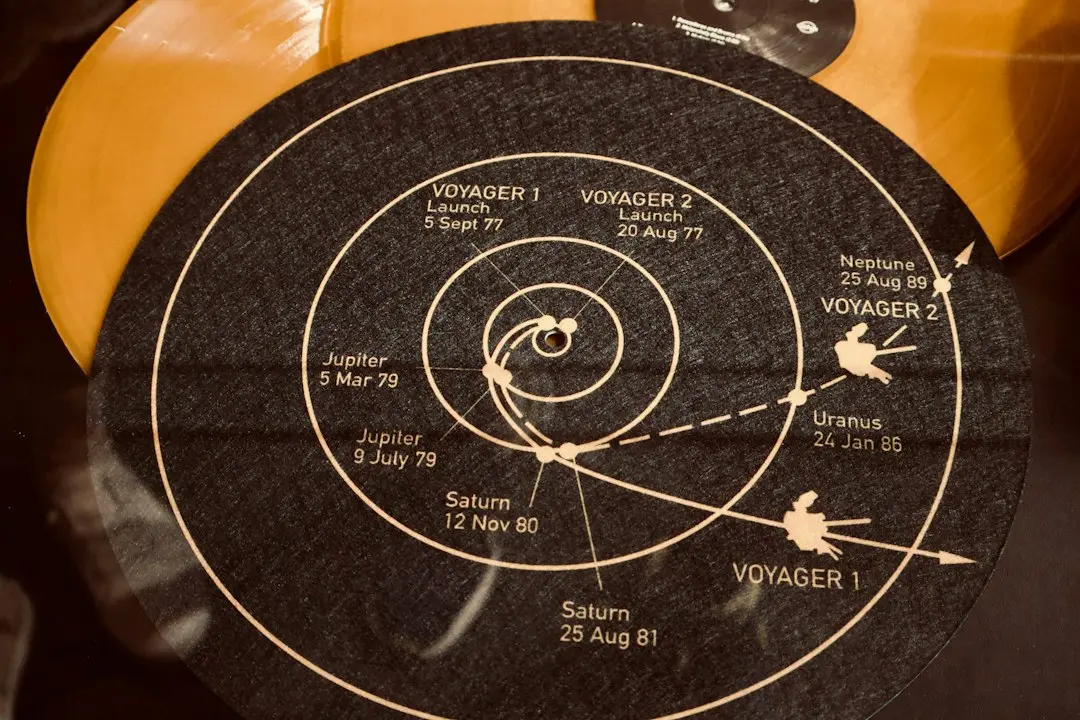
Voyager 1 has crossed a major milestone, reaching a distance of one light-day from Earth. The probe, launched in 1977, continues its journey through the outer solar system. This achievement highlights the long-term success of the Voyager mission.
Latest news
 Smart TVs frequently lose their Wi-Fi connection, leaving viewers staring at a spinning loading icon
 Why Ignoring Car Software Updates Is Risky
 Apple's foldable iPhone Duo introduces dual-display multitasking capabilities
 FCC Weighs Reciprocal Limits on Foreign Satellite Firms
The spacecraft now operates far beyond the orbit of Neptune. It sends data back to Earth using a deep space network. Scientists monitor its status closely.
An interactive website allows users to examine Voyager 1 in detail. Visitors can take the spacecraft apart virtually. They can inspect individual memory chips and modules. This tool provides a close-up view of the hardware.
Why This Milestone Matters for Future Missions
The interface lets users open different bays. Each bay reveals specific components. Users can navigate through ten distinct sections. This approach demystifies the complex engineering inside the probe.
Reaching one light-day signifies a new phase in the mission. The signal travel time now exceeds 24 hours. This affects how ground stations communicate with the spacecraft. Engineers must account for this delay in all operations.
The probe will continue traveling outward. It may eventually leave the solar system entirely. This journey serves as a testbed for future interstellar travel concepts.
Frequently Asked Questions
What is a light-day? A light-day is the distance light travels in 24 hours. It equals roughly 25.9 billion kilometers. Voyager 1 has now covered this distance from Earth.
Can users physically take the probe apart? No, the process is virtual. The website simulates disassembly. Users interact with a 3D model of the spacecraft.
How long will Voyager 1 keep sending data? The probe has a limited power source. Batteries will deplete over time. Scientists expect it to continue operating for several more years.
Comments
Leave a comment