Harnessing Light for High-Speed Data
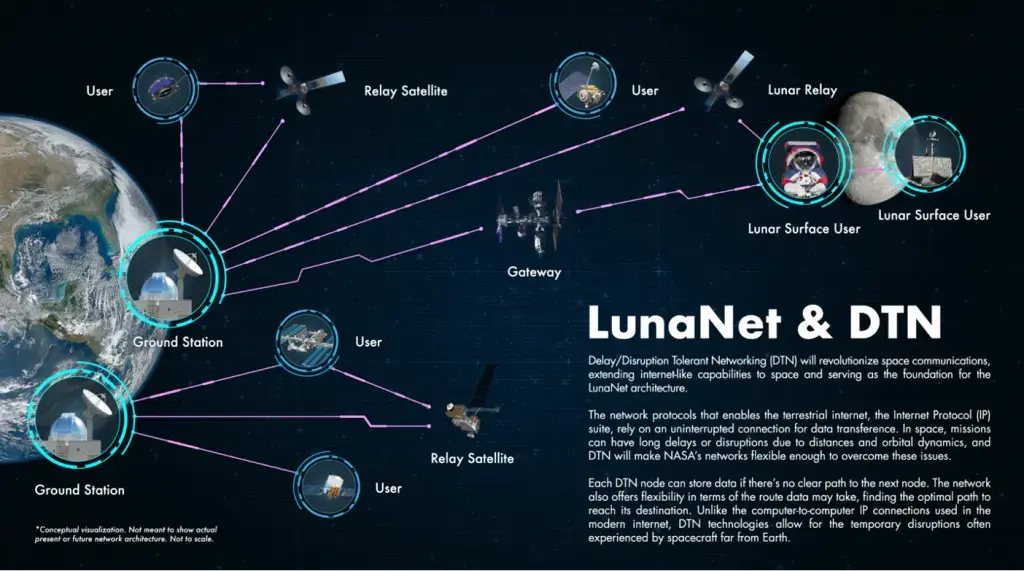
NASA is currently building a robust lunar communications network to bring high-speed internet capabilities to astronauts, robotic rovers, and orbiting satellites. This ambitious project aims to modernize space exploration by establishing reliable connectivity across the lunar surface, ensuring that mission-critical data flows seamlessly between Earth and deep space assets.
Latest news
 Anker Unveils Playful 45W Charger With Animated Face Display
 Google Docs Web Version Still Missing Native Dark Mode
 Anthropic-Linked Vulnerability Exploited From China, Targets US and Japan
 Text‑Based AI Agents: Your New Digital Assistants
The agency is leveraging Delay/Disruption Tolerant Networking to maintain signal integrity despite the vast distances involved. This specialized protocol allows information to navigate temporary outages or signal interference, which are common in the harsh environment of space. By creating a resilient infrastructure, NASA ensures that communication remains stable even when direct lines of sight are blocked.
Engineers are testing both 4G/5G LTE radio frequency systems and optical inter-satellite links to transport massive amounts of data. While traditional radio waves have served space missions for decades, optical laser communication is rapidly becoming the preferred standard for future operations. Lasers offer significantly higher bandwidth, allowing for data transfer rates reaching 100 gigabits per second.
Is Cybersecurity the Final Frontier for Space?
Optical links are also less vulnerable to certain types of interference compared to traditional radio transmissions. As the volume of scientific data grows, the transition to laser-based systems will be essential for transmitting high-definition video and complex telemetry. This shift represents a fundamental upgrade in how humanity manages remote operations on the lunar surface.
As space infrastructure becomes increasingly connected, the focus is shifting toward the critical need for advanced cybersecurity. Integrating terrestrial internet protocols into space hardware introduces new risks that were previously non-existent in isolated systems. Protecting these networks from potential interference or unauthorized access is now a top priority for mission planners.
Frequently Asked Questions
The long-term success of lunar exploration depends on the reliability and security of these digital pathways. If these systems are compromised, the safety of human crews and the integrity of expensive robotic assets could be at risk. NASA must now balance the need for open connectivity with the necessity of hardened, secure communication channels to ensure long-term sustainability.
What technology manages signal loss in space? NASA uses Delay/Disruption Tolerant Networking to maintain connections. This protocol allows data to persist through temporary signal outages or physical obstructions.
Why are lasers replacing radio waves for space data? Lasers provide much higher bandwidth and faster data transfer speeds than traditional radio systems. They are also considered more secure and efficient for high-capacity communication needs.
Comments
Leave a comment