Debt Restructuring Pays Off
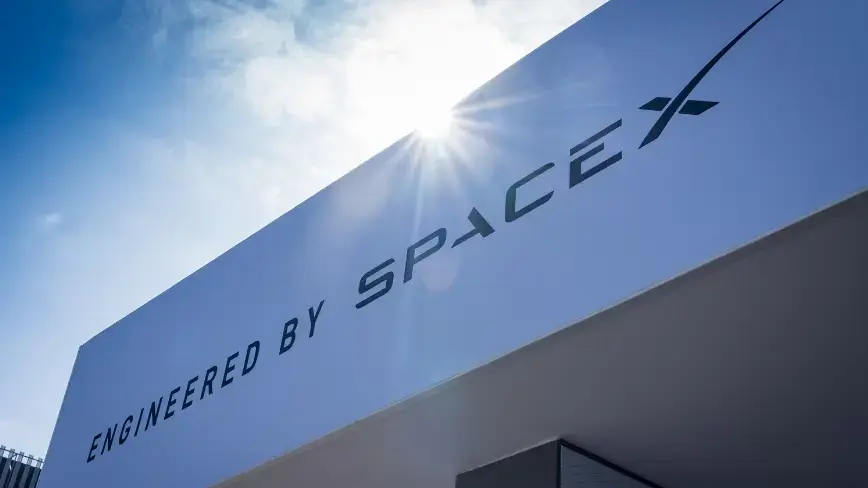
Elon Musk's companies, SpaceX and X, have been intertwined in a financial maneuver revealed in a recent regulatory filing. SpaceX took out a $20 billion bridge loan, replacing high-interest debt from X and xAI. This move reduced Musk's annual interest costs significantly.
Latest news
 Anker Unveils Playful 45W Charger With Animated Face Display
 Google Docs Web Version Still Missing Native Dark Mode
 Anthropic-Linked Vulnerability Exploited From China, Targets US and Japan
 Text‑Based AI Agents: Your New Digital Assistants
The strategy behind this financial restructuring is to consolidate Musk's companies into a single conglomerate, allowing for more efficient management of debt. By folding his various businesses together, Musk is able to optimize financial performance. The $20 billion bridge loan was used to refinance $17.5 billion of high-interest junk debt.
Can Musk's Conglomerate Strategy Continue to Pay Dividends?
The refinancing deal cut Musk's combined annual interest costs roughly in half, to around $900 million. This reduction in debt servicing costs is a significant saving for Musk's businesses. With lower interest expenses, Musk's companies can allocate more resources to their core operations.
The success of Musk's conglomerate strategy depends on his ability to continue managing his diverse businesses effectively. As Musk's companies become increasingly intertwined, the benefits of consolidation will be closely watched by investors and analysts.
Frequently Asked Questions
The reduction in interest costs is expected to have a positive impact on Musk's businesses, allowing them to invest in growth initiatives. With a more streamlined financial structure, Musk's companies are well-positioned for future success.
What was the purpose of the $20 billion bridge loan? The loan was used to refinance high-interest debt from X and xAI, reducing Musk's annual interest costs. How much did Musk's annual interest costs decrease? Musk's combined annual interest costs were cut roughly in half, to around $900 million. What is the expected outcome of Musk's conglomerate strategy? The strategy is expected to continue paying dividends, with lower interest expenses allowing for more investment in core operations.
Comments
Leave a comment