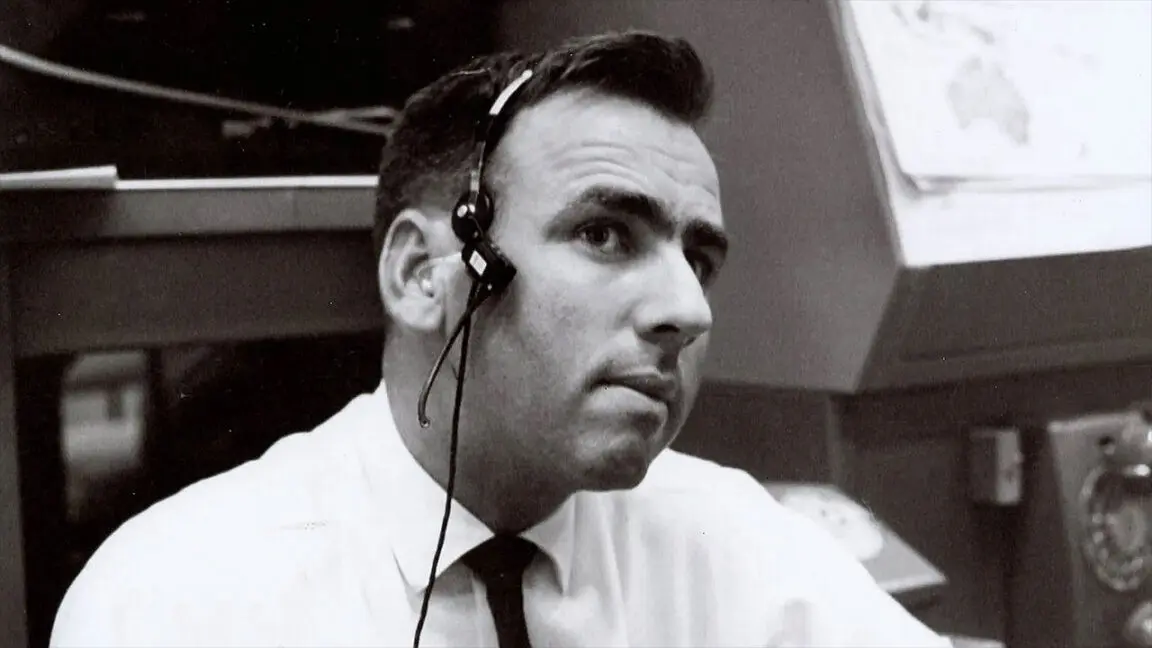
The Moment That Defined a Career
Milt Windler, a veteran NASA flight director who guided the Mission Control team during the 1970 Apollo 13 crisis, passed away at age 94. He spent more than three decades at the Johnson Space Center, overseeing numerous historic flights from the early Gemini missions through the Space Shuttle era. Windler’s leadership in Houston’s „Maroon Flight” control room helped bring the crippled spacecraft safely home in 1970, cementing his legacy in America’s space program.
Latest news
 Smart TVs frequently lose their Wi-Fi connection, leaving viewers staring at a spinning loading icon
 Why Ignoring Car Software Updates Is Risky
 Apple's foldable iPhone Duo introduces dual-display multitasking capabilities
 FCC Weighs Reciprocal Limits on Foreign Satellite Firms
Windler joined NASA in the early 1960s, quickly rising to the flight director’s chair for the Gemini and Apollo programs. When Apollo 13 suffered an oxygen tank explosion, his calm decision‑making and coordination with engineers and astronauts averted disaster. He later directed missions for the Skylab and Space Shuttle programs, mentoring a new generation of controllers. Colleagues remembered him as a meticulous planner who could translate complex technical data into clear actions under pressure.
On April 14, 1970, the Apollo 13 crew reported a „bang” that would become one of spaceflight’s most dramatic emergencies. Windler, stationed at the Maroon Flight console, immediately convened a crisis team. He authorized the use of the Lunar Module as a lifeboat, ordered power‑down procedures, and coordinated the critical „burn” maneuvers that put the spacecraft on a free‑return trajectory. „We were making history,” Windler later recalled, describing the tension and resolve that filled Mission Control that night. His decisive orders kept the astronauts alive and set a template for future emergency protocols.
How Did Windler’s Leadership Influence Modern Spaceflight?
Windler’s approach to problem‑solving emphasized rigorous simulation training and clear communication channels. He instituted routine „go‑no‑go” briefings that became standard across NASA’s subsequent missions. His insistence on redundant checks and real‑time data verification helped prevent similar failures in later flights, including the Space Shuttle program. Former astronauts credit his calm demeanor for fostering trust during high‑stress situations, a trait that continues to shape NASA’s culture today.
Windler’s death marks the passing of a figure who not only helped rescue Apollo 13 but also helped build the operational backbone of U. S. human spaceflight. As NASA prepares for Artemis missions to the Moon and eventual crewed journeys to Mars, his legacy endures in the protocols and training that keep astronauts safe.
Frequently Asked Questions
What was Milt Windler’s role during the Apollo 13 crisis? He served as the flight director at the Maroon Flight console, directing the emergency response that used the Lunar Module as a lifeboat and guided the damaged spacecraft back to Earth.
How did Windler’s methods impact later NASA missions? His emphasis on simulation, clear communication, and redundant safety checks became standard practice, influencing the safety procedures of the Space Shuttle and current Artemis programs.
Why is Windler’s contribution considered pivotal in space history? By successfully managing one of the most dangerous in‑flight emergencies, he demonstrated that disciplined teamwork and decisive leadership could overcome seemingly insurmountable challenges, setting a lasting example for all future missions.
Comments
Leave a comment