Engineering Hurdles Behind the Delay
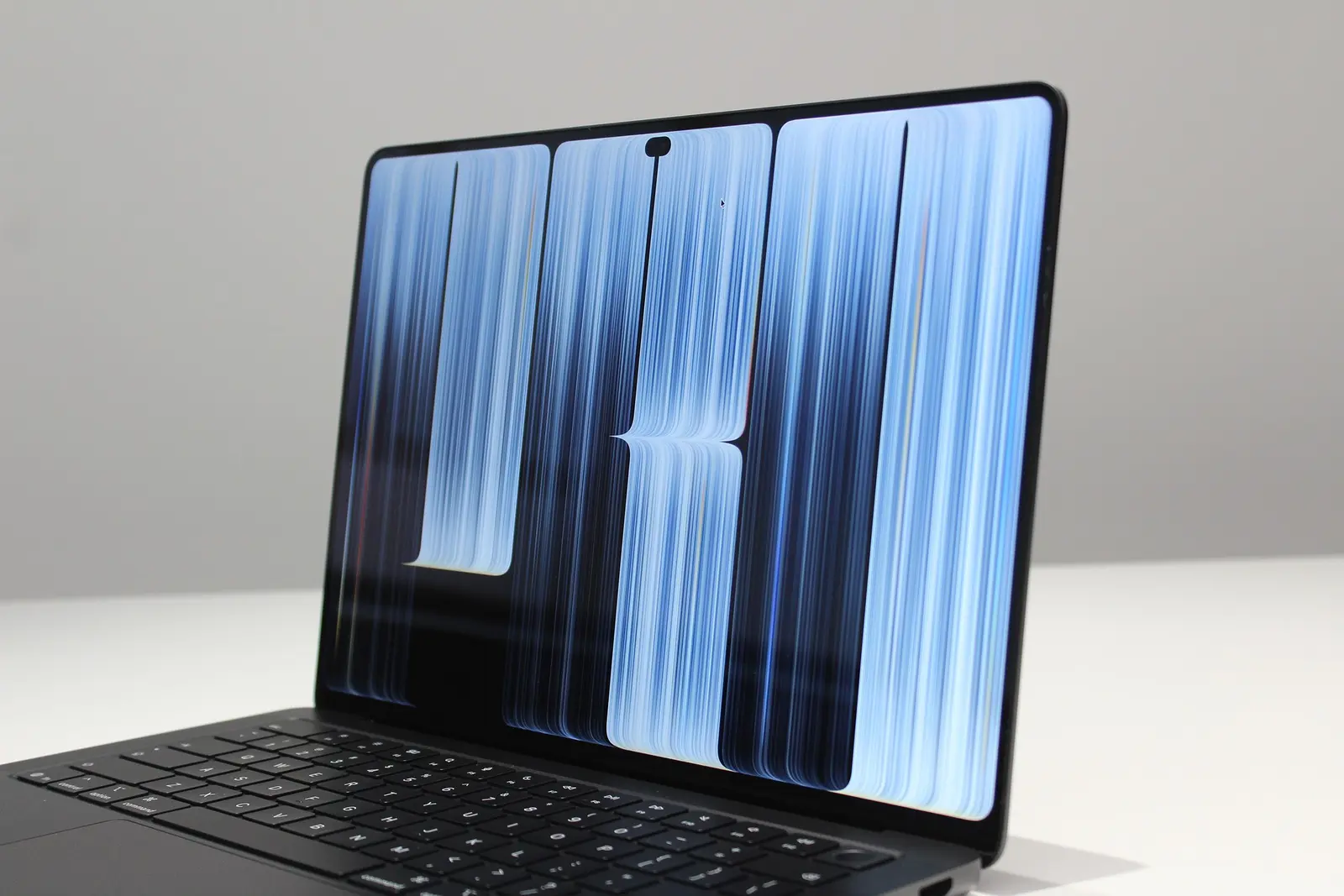
Apple has finally introduced a touchscreen OLED display in its new MacBook Pro lineup. The panel reaches a peak brightness of 2,000 nits. This specification marks a significant leap for portable computing. The screen offers exceptionally deep black levels. This technology was previously rare in high-performance laptops. Apple’s entry into this specific hardware segment is a major milestone.
Latest news
 Smart TVs frequently lose their Wi-Fi connection, leaving viewers staring at a spinning loading icon
 Why Ignoring Car Software Updates Is Risky
 Apple's foldable iPhone Duo introduces dual-display multitasking capabilities
 FCC Weighs Reciprocal Limits on Foreign Satellite Firms
The decision to wait over a decade for this release stems from specific engineering challenges. Standard OLED panels have historically struggled with heat management. Laptops generate significant thermal load during intensive tasks. Apple likely prioritized long-term reliability over early adoption. The new display balances high performance with sustainable heat dissipation. This approach ensures the screen maintains quality over years of use.
OLED technology has existed in consumer electronics for ten years. Budget laptops now offer OLED screens for as little as $700. Even the iPad Pro adopted this display type in 2024. Despite this market availability, Apple held back from its flagship laptop. The primary obstacle was integrating high brightness with thermal constraints.
Why Brightness Matters for Professionals
Standard OLED panels degrade faster when exposed to sustained high temperatures. Apple’s MacBook Pro targets professional users. These users often run heavy workloads for extended periods. A standard consumer-grade OLED might fail under such stress. Apple engineered a solution that maintains 2,000-nit brightness without overheating. This required advanced heat distribution systems within the chassis. The result is a display that rivals high-end monitors.
The contrast ratio is a key differentiator. OLED pixels emit their own light. This allows for true blacks, unlike LCD backlights. The visual impact is immediate for creative professionals. Video editing and photo retouching benefit from accurate color representation. The deep blacks enhance image depth significantly. Apple’s implementation sets a new benchmark for laptop displays.
High brightness is not just a marketing figure. It directly affects usability in various lighting conditions. Outdoor work becomes feasible with 2,000 nits. Indoor environments with bright overhead lights remain comfortable. The display remains legible without straining the eyes. This capability expands the utility of portable workstations.
Frequently Asked Questions
Professionals can now rely on their laptops for critical visual tasks. The screen’s consistency across brightness levels is crucial. Color accuracy remains stable even at peak luminance. This reliability is essential for broadcast and design industries. Apple’s focus on durability ensures the panel lasts. The technology withstands the rigors of daily professional use.
How bright is the new MacBook Pro screen? The display achieves a peak brightness of 2,000 nits. This is significantly higher than standard LCD panels. It ensures visibility in bright environments.
Why did Apple wait so long for OLED? Thermal management was the primary barrier. Sustained high brightness generates heat that can damage standard OLED panels. Apple developed specific cooling solutions to ensure longevity.
Comments
Leave a comment