Uneven Ground: Why the Disparity?
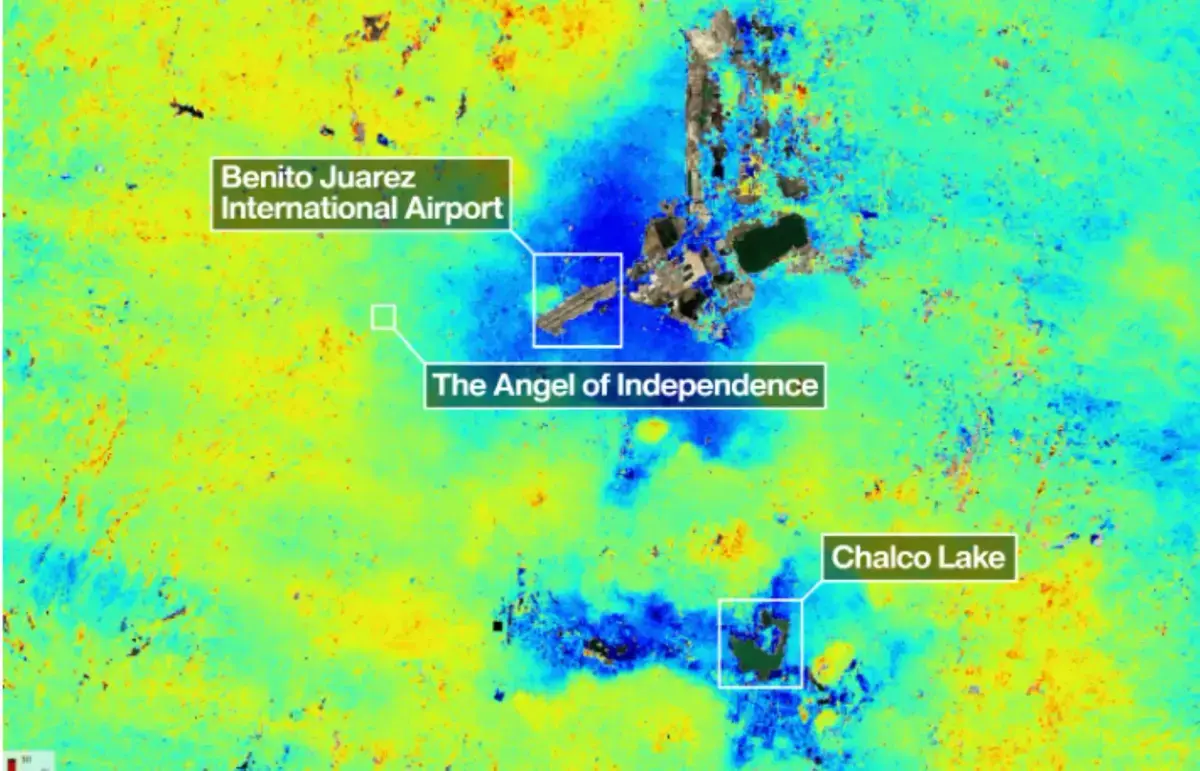
New NASA data reveals Mexico City is sinking at an alarming rate. The city is dropping unevenly, with some areas sinking as much as two centimeters each month. This poses a growing threat to infrastructure and residents. The findings come from advanced satellite technology.
Latest news
 Anker Unveils Playful 45W Charger With Animated Face Display
 Google Docs Web Version Still Missing Native Dark Mode
 Anthropic-Linked Vulnerability Exploited From China, Targets US and Japan
 Text‑Based AI Agents: Your New Digital Assistants
The sinking, known as subsidence, isn’t happening uniformly across the city. NASA’s map, created using InSAR technology, highlights significant variations. Some neighborhoods are stable, while others are rapidly descending. This unevenness complicates efforts to address the problem. The data spans a recent period, providing a current snapshot of the crisis.
The primary cause of the subsidence is groundwater extraction. For decades, Mexico City has relied heavily on underground water sources. Pumping water depletes the aquifers beneath the city. This creates voids in the soil, causing the land above to collapse. The natural clay-rich soil beneath the city further exacerbates the issue.
Can Mexico City Stabilize its Foundations?
The rate of sinking varies depending on historical groundwater usage. Areas with more extensive pumping experience greater subsidence. NASA’s detailed map allows authorities to pinpoint these hotspots. This information is crucial for targeted interventions and resource allocation. It also reveals the long-term impact of past water management decisions.
Addressing the subsidence requires a multifaceted approach. Reducing groundwater extraction is paramount, but challenging. The city needs to find alternative water sources and improve water management practices. This includes investing in infrastructure to reduce leaks and promote conservation. Experts also suggest artificial aquifer recharge.
Frequently Asked Questions
However, even with immediate action, the sinking won’t stop overnight. The geological processes are complex and the damage is already substantial. Continued monitoring with tools like NASA’s satellite is vital. It will track the effectiveness of mitigation efforts and identify emerging risks. The future stability of Mexico City depends on proactive and sustained intervention.
What is InSAR technology? InSAR, or Interferometric Synthetic Aperture Radar, uses satellite data to measure ground deformation. It detects subtle changes in the Earth’s surface with millimeter precision. This allows scientists to create detailed maps of sinking areas.
How quickly is the worst affected area sinking? The most rapidly descending areas of Mexico City are sinking at a rate of up to two centimeters per month. This is a significant rate of subsidence. It threatens buildings, roads, and essential infrastructure.
Comments
Leave a comment