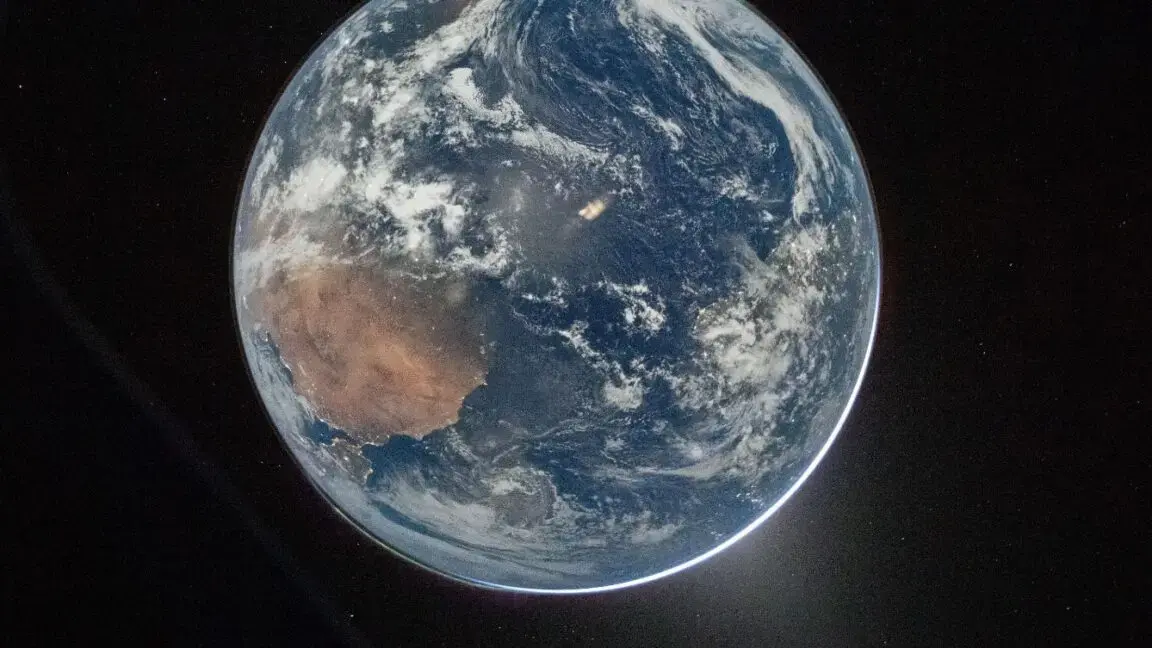
Unseen Details Emerge From Orbit
Astronauts on the recent Artemis II mission captured over 12,000 photographs during their lunar flight last month. NASA released the complete collection this past weekend. The images are now publicly available through the Gateway to Astronaut Photography.
Latest news
 Anker Unveils Playful 45W Charger With Animated Face Display
 Google Docs Web Version Still Missing Native Dark Mode
 Anthropic-Linked Vulnerability Exploited From China, Targets US and Japan
 Text‑Based AI Agents: Your New Digital Assistants
The released photos showcase Earth from a unique perspective. Many images depict detailed views of our planet’s surface. However, some photos contain intriguing anomalies. Specifically, several shots reveal unusual activity involving satellites in Earth orbit. These details weren’t immediately apparent in the initial, smaller release.
The photographs provide a high-resolution look at numerous satellites. Experts are now analyzing the images to understand the nature of the observed activity. Initial observations suggest potential maneuvers and positioning changes. These movements weren’t previously tracked by ground-based observation systems.
What Do These Satellite Movements Mean?
The sheer volume of images allows for detailed study. Researchers can now compare satellite positions over time. This analysis may reveal previously unknown orbital patterns. It could also shed light on the purpose of certain satellite maneuvers. NASA stated the images offer a valuable, independent data source.
The satellite activity captured in the Artemis II photos is prompting questions. Are these routine adjustments, or do they indicate something more significant? Some speculate the movements could be related to satellite maintenance or repositioning for improved coverage. Others suggest the possibility of testing new technologies or responding to unforeseen space events.
The photographs offer a fresh perspective on space traffic. Ground-based tracking systems have limitations. They can be affected by weather and atmospheric conditions. Astronaut photography provides a clear, unobstructed view. This data complements existing tracking efforts. It enhances our understanding of the growing number of objects in orbit.
Frequently Asked Questions
The release of these images marks a new era in space observation. It demonstrates the value of astronaut photography. The Artemis II mission provided a unique vantage point. Future missions will likely continue this practice. This will create a growing archive of valuable data. It will benefit both scientific research and space situational awareness.
What makes these photos different from existing satellite tracking data? These images offer a visual confirmation of satellite positions. They provide a unique, independent data source. Ground-based tracking relies on radar and other technologies, which can be less precise.
How will NASA use this new photographic data? NASA will use the images to refine orbital models. They will also study satellite behavior. This information will improve space traffic management and enhance our understanding of the space environment.
Comments
Leave a comment